From Southampton to Rio De Janeiro
Cruise only — prices from Solo cruise only — from

Ports of Call & Itinerary
32-night voyage departing Southampton, arriving Rio de Janeiro.
Printable Itinerary (PDF)Route Map
From Southampton to Rio De Janeiro
13 ports plotted · click a marker for details
Day 1
Southampton , England
Tuesday, 09/01/2029
Day 5
Praia da Vitória , Portugal
Saturday, 13/01/2029

Day 13
Port Canaveral, Florida , United States
Sunday, 21/01/2029
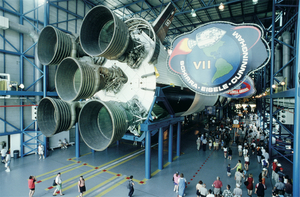
Widely known for the Kennedy Space Center, Port Canaveral is located in the city of Cape Canaveral, home to beautiful beaches and Brevard Zoo.
Day 14
Miami, Florida , United States
Monday, 22/01/2029
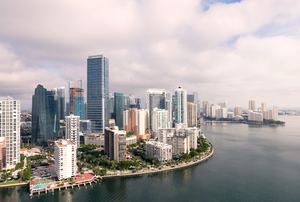
Miami is one of the world’s most popular holiday spots. It has so much to offer; from its countless beach areas, to culture and museums, from spa and shopping days out, to endless cuban restaurants and cafes. Miami is a multicultural city that has something to offer to everyone.
Day 17
San Juan (Puerto Rico) , Puerto Rico
Thursday, 25/01/2029
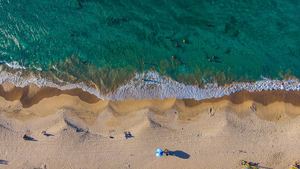
If you associate Puerto Rico's capital with the colonial streets of Old San Juan, then you know only part of the picture. San Juan is a major metropolis, radiating out from the bay on the Atlantic Ocean that was discovered by Juan Ponce de León. More than a third of the island's nearly 4 million citizens proudly call themselves sanjuaneros. The city may be rooted in the past, but it has its eye on the future. Locals go about their business surrounded by colonial architecture and towering modern structures.By 1508 the explorer Juan Ponce de León had established a colony in an area now known as Caparra, southeast of present-day San Juan. He later moved the settlement north to a more hospitable peninsular location. In 1521, after he became the first colonial governor, Ponce de León switched the name of the island—which was then called San Juan Bautista in honor of St. John the Baptist—with that of the settlement of Puerto Rico ("rich port").Defended by the imposing Castillo San Felipe del Morro (El Morro) and Castillo San Cristóbal, Puerto Rico's administrative and population center remained firmly in Spain's hands until 1898, when it came under U.S. control after the Spanish-American War. Centuries of Spanish rule left an indelible imprint on the city, particularly in the walled area now known as Old San Juan. The area is filled with cobblestone streets and brightly painted, colonial-era structures, and its fortifications have been designated a UNESCO World Heritage Site.Old San Juan is a monument to the past, but most of the rest of the city is planted firmly in the 21st century and draws migrants island-wide and from farther afield to jobs in its businesses and industries. The city captivates residents and visitors alike with its vibrant lifestyle as well as its balmy beaches, pulsing nightclubs, globe-spanning restaurants, and world-class museums. Once you set foot in this city, you may never want to leave.
Day 18
Saint Thomas , U.S. Virgin Islands
Friday, 26/01/2029
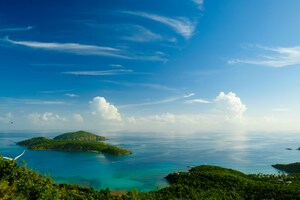
If you fly to the 32-square-mile (83-square-km) island of St. Thomas, you land at its western end; if you arrive by cruise ship, you come into one of the world's most beautiful harbors. Either way, one of your first sights is the town of Charlotte Amalie. From the harbor you see an idyllic-looking village that spreads into the lower hills. If you were expecting a quiet hamlet with its inhabitants hanging out under palm trees, you've missed that era by about 300 years. Although other islands in the USVI developed plantation economies, St. Thomas cultivated its harbor, and it became a thriving seaport soon after it was settled by the Danish in the 1600s. The success of the naturally perfect harbor was enhanced by the fact that the Danes—who ruled St. Thomas with only a couple of short interruptions from 1666 to 1917—avoided involvement in some 100 years' worth of European wars. Denmark was the only European country with colonies in the Caribbean to stay neutral during the War of the Spanish Succession in the early 1700s. Thus, products of the Dutch, English, and French islands—sugar, cotton, and indigo—were traded through Charlotte Amalie, along with the regular shipments of slaves. When the Spanish wars ended, trade fell off, but by the end of the 1700s Europe was at war again, Denmark again remained neutral, and St. Thomas continued to prosper. Even into the 1800s, while the economies of St. Croix and St. John foundered with the market for sugarcane, St. Thomas's economy remained vigorous. This prosperity led to the development of shipyards, a well-organized banking system, and a large merchant class. In 1845 Charlotte Amalie had 101 large importing houses owned by the English, French, Germans, Haitians, Spaniards, Americans, Sephardim, and Danes. Charlotte Amalie is still one of the world's most active cruise-ship ports. On almost any day at least one and sometimes as many as eight cruise ships are tied to the docks or anchored outside the harbor. Gently rocking in the shadows of these giant floating hotels are just about every other kind of vessel imaginable: sleek sailing catamarans that will take you on a sunset cruise complete with rum punch and a Jimmy Buffett soundtrack, private megayachts for billionaires, and barnacle-bottom sloops—with laundry draped over the lifelines—that are home to world-cruising gypsies. Huge container ships pull up in Sub Base, west of the harbor, bringing in everything from breakfast cereals to tires. Anchored right along the waterfront are down-island barges that ply the waters between the Greater Antilles and the Leeward Islands, transporting goods such as refrigerators, VCRs, and disposable diapers. The waterfront road through Charlotte Amalie was once part of the harbor. Before it was filled in to build the highway, the beach came right up to the back door of the warehouses that now line the thoroughfare. Two hundred years ago those warehouses were filled with indigo, tobacco, and cotton. Today the stone buildings house silk, crystal, and diamonds. Exotic fragrances are still traded, but by island beauty queens in air-conditioned perfume palaces instead of through open market stalls. The pirates of old used St. Thomas as a base from which to raid merchant ships of every nation, though they were particularly fond of the gold- and silver-laden treasure ships heading to Spain. Pirates are still around, but today's versions use St. Thomas as a drop-off for their contraband: illegal immigrants and drugs. To explore outside Charlotte Amalie, rent a car or hire a taxi. Your rental car should come with a good map; if not, pick up the pocket-size "St. Thomas–St. John Road Map" at a tourist information center. Roads are marked with route numbers, but they're confusing and seem to switch numbers suddenly. Roads are also identified by signs bearing the St. Thomas–St. John Hotel and Tourism Association's mascot, Tommy the Starfish. More than 100 of these color-coded signs line the island's main routes. Orange signs trace the route from the airport to Red Hook, green signs identify the road from town to Magens Bay, Tommy's face on a yellow background points from Mafolie to Crown Bay through the north side, red signs lead from Smith Bay to Four Corners via Skyline Drive, and blue signs mark the route from the cruise-ship dock at Havensight to Red Hook. These color-coded routes are not marked on most visitor maps, however. Allow yourself a day to explore, especially if you want to stop to take pictures or to enjoy a light bite or refreshing swim. Most gas stations are on the island's more populated eastern end, so fill up before heading to the north side. And remember to drive on the left!
Day 20
Castries , Saint Lucia
Sunday, 28/01/2029
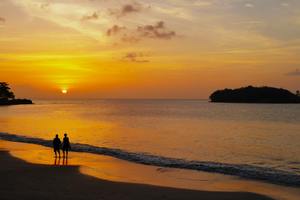
The typical image of a lush tropical paradise comes to life on the friendly island of St Lucia. Despite its small size – just 27 miles long and 14 miles wide – St Lucia is rich in natural splendour with dense emerald rainforest, banana plantations and orchards of coconut, mango and papaya trees. The twin peaks of Les Pitons, now a UNESCO World Heritage Site rise dramatically 2,000 feet into the sky and dominate the island. Look out for unusual birds with brilliant plumage such as the St Lucia parrot, see a surprising diversity of exotic flora and enjoy the warm hospitality of the islanders in the small villages and open-air markets. Please be aware that St Lucia is a small, mountainous island, with steep, winding and bumpy roads. Customers with back and neck problems should take this into consideration when booking an excursion.
Day 21
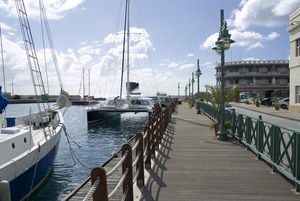
Bridgetown , Barbados
Monday, 29/01/2029
Located beside the island’s only natural harbour, the capital of Barbados combines modern and colonial architecture with glorious palm tree-lined beaches and a number of historical attractions. Experience the relaxed culture of the city renowned for its British-style parliament buildings and vibrant beach life, and seek out the Anglican church and the 19th-century Barbados Garrison. The distance between the ship and your tour vehicle may vary. This distance is not included in the excursion grades.
Day 26
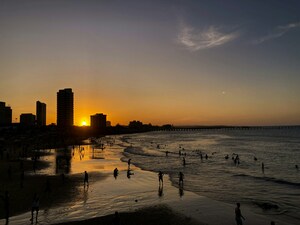
Fortaleza , Brazil
Saturday, 03/02/2029
Called the "City of Light," Fortaleza claims that the sun shines on it 2,800 hours a year. And it's a good thing, too, as the coastline stretches far beyond the city. To the east, along the Litoral Leste or the Costa Sol Nascente (Sunrise Coast) are many fishing villages. To the west, along the Litoral Oeste or the Costa Sol Poente (Sunset Coast), there are pristine stretches of sand. The shores here are cooled by constant breezes and lapped by waters with an average temperature of 24°C (72°F).Today Fortaleza, a large, modern state capital with more than 2 million inhabitants, is Brazil's fifth-largest city. It's also on the move, with one of the country's newest airports, a modern convention center, a huge cultural center with a planetarium, large shopping malls, several museums and theaters, and an abundance of sophisticated restaurants. At Praia de Iracema there's a revitalized beachfront area of sidewalk cafés, bars, and dance clubs. But if you wander along the shore, you're still bound to encounter fishermen unloading their catch from traditional jangadas—just as they've done for hundreds of years.
Day 29
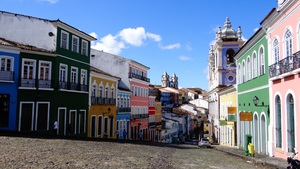
Salvador de Bahia , Brazil
Tuesday, 06/02/2029
According to Salvador's adopted son Jorge Amado, "In Salvador, magic becomes part of the every-day." From the shimmering golden light of sunset over the Baía do Todos os Santos, to the rhythmic beats that race along the streets, Salvador, while no longer Brazil's capital, remains one of its most captivating cities. A large dose of its exoticism comes down to its African heritage—at least 70% of its 2,675,000 population is classified as Afro-Brazilian—and how it has blended into Brazil's different strands, from the native Indians to the Christian colonizers. Salvadorans may tell you that you can visit a different church every day of the year, which is almost true—the city has about 300. Churches whose interiors are covered with gold leaf were financed by the riches of the Portuguese colonial era, when slaves masked their traditional religious beliefs under a thin Catholic veneer. And partly thanks to modern-day acceptance of those beliefs, Salvador has become the fount of Candomblé, a religion based on personal dialogue with the orixás, a family of African deities closely linked to nature and the Catholic saints. The influence of Salvador's African heritage on Brazilian music has also turned the city into one of the musical capitals of Brazil, resulting in a myriad of venues to enjoy live music across the city, along with international acclaim for exponents like Gilberto Gil, Caetano Veloso, and Daniela Mercury. Salvador's economy today is focused on telecommunications and tourism. The still-prevalent African culture draws many tourists—this is the best place in Brazil to hear African music, learn or watch African dance, and see capoeira, a martial art developed by slaves. In the district of Pelourinho, many colorful 18th- and 19th-century houses remain, part of the reason why this is the center of the tourist trade. Salvador sprawls across a peninsula surrounded by the Baía de Todos os Santos on one side and the Atlantic Ocean on the other. The city has about 50 km (31 miles) of coastline. The original city, referred to as the Centro Histórica (Historical Center), is divided into the Cidade Alta (Upper City), also called Pelourinho, and Cidade Baixa (Lower City). The Cidade Baixa is a commercial area—known as Comércio—that runs along the port and is the site of Salvador's indoor market, Mercado Modelo. You can move between the upper and lower cities on foot, via the landmark Elevador Lacerda, behind the market, or on the Plano Inclinado, a funicular lift, which connects Rua Guindaste dos Padres on Comércio with the alley behind Cathedral Basílica. From the Cidade Histórica you can travel north along the bay to the hilltop Igreja de Nosso Senhor do Bonfim. You can also head south to the point, guarded by the Forte Santo Antônio da Barra, where the bay waters meet those of the Atlantic. This area on Salvador's southern tip is home to the trendy neighborhoods of Barra, Ondina, and Rio Vermelho, with many museums, theaters, shops, and restaurants. Beaches along the Atlantic coast and north of Forte Santo Antônio da Barra are among the city's cleanest. Many are illuminated at night and have bars and restaurants that stay open late.
Day 31
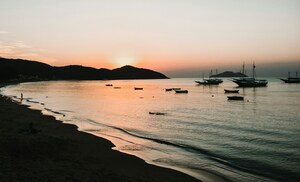
Buzios , Brazil
Thursday, 08/02/2029
Around two hours from Rio de Janeiro, Búzios is a string of beautiful beaches on an 8-km-long (5-mile-long) peninsula. It was the quintessential sleepy fishing village until the 1960s, when the French actress Brigitte Bardot holidayed here to escape the paparazzi and the place almost instantly transformed into a vacation sensation. Búzios has something for everyone. Some hotels cater specifically to families and provide plenty of activities and around-the-clock child care. Many have spa facilities, and some specialize in weeklong retreats. For outdoor enthusiasts, Búzios offers surfing, windsurfing, kitesurfing, diving, hiking, and mountain biking, as well as leisurely rounds of golf.
Day 32
Rio de Janeiro , Brazil
Friday, 09/02/2029
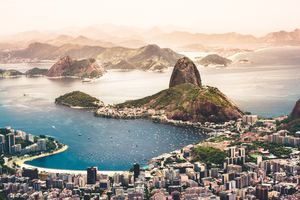
Welcome to the Cidade Maravilhosa, or the Marvelous City, as Rio is known in Brazil. Synonymous with the girl from Ipanema, the dramatic views from Christ the Redeemer atop Corcovado mountain, and fabulously flamboyant Carnival celebrations, Rio is a city of stunning architecture, abundant museums, and marvelous food. Rio is also home to 23 beaches, an almost continuous 73-km (45-mile) ribbon of sand.As you leave the airport and head to Rio's beautiful Zona Sul (the touristic South Zone), you'll drive for about 40 minutes on a highway from where you'll begin to get a sense of the dramatic contrast between beautiful landscape and devastating poverty. In this teeming metropolis of 12 million people (6.2 million of whom live in Rio proper), the very rich and the very poor live in uneasy proximity. You'll drive past seemingly endless cinder-block favela, but by the time you reach Copacabana's breezy, sunny Avenida Atlântica—flanked on one side by white beach and azure sea and on the other by condominiums and hotels—your heart will leap with expectation as you begin to recognize the postcard-famous sights. Now you're truly in Rio, where cariocas (Rio residents) and tourists live life to its fullest.Enthusiasm is contagious in Rio. Prepare to have your senses engaged and your inhibitions untied. Rio seduces with a host of images: the joyous bustle of vendors at Sunday's Feira Hippie (Hippie Fair); the tipsy babble at sidewalk cafés as patrons sip their last glass of icy beer under the stars; the blanket of lights beneath the Pão de Açúcar (Sugarloaf Mountain); the bikers, joggers, strollers, and power walkers who parade along the beach each morning. Borrow the carioca spirit for your stay; you may find yourself reluctant to give it back.
Day 33
Rio de Janeiro , Brazil
Saturday, 10/02/2029
Welcome to the Cidade Maravilhosa, or the Marvelous City, as Rio is known in Brazil. Synonymous with the girl from Ipanema, the dramatic views from Christ the Redeemer atop Corcovado mountain, and fabulously flamboyant Carnival celebrations, Rio is a city of stunning architecture, abundant museums, and marvelous food. Rio is also home to 23 beaches, an almost continuous 73-km (45-mile) ribbon of sand.As you leave the airport and head to Rio's beautiful Zona Sul (the touristic South Zone), you'll drive for about 40 minutes on a highway from where you'll begin to get a sense of the dramatic contrast between beautiful landscape and devastating poverty. In this teeming metropolis of 12 million people (6.2 million of whom live in Rio proper), the very rich and the very poor live in uneasy proximity. You'll drive past seemingly endless cinder-block favela, but by the time you reach Copacabana's breezy, sunny Avenida Atlântica—flanked on one side by white beach and azure sea and on the other by condominiums and hotels—your heart will leap with expectation as you begin to recognize the postcard-famous sights. Now you're truly in Rio, where cariocas (Rio residents) and tourists live life to its fullest.Enthusiasm is contagious in Rio. Prepare to have your senses engaged and your inhibitions untied. Rio seduces with a host of images: the joyous bustle of vendors at Sunday's Feira Hippie (Hippie Fair); the tipsy babble at sidewalk cafés as patrons sip their last glass of icy beer under the stars; the blanket of lights beneath the Pão de Açúcar (Sugarloaf Mountain); the bikers, joggers, strollers, and power walkers who parade along the beach each morning. Borrow the carioca spirit for your stay; you may find yourself reluctant to give it back.
Room Type & Prices
All prices per person based on double occupancy. Solo traveller prices — single occupancy. Contact our cruise experts for the latest availability and best fares.
Prices include return flights from the UK. Enquire for per-cabin fly-cruise pricing.
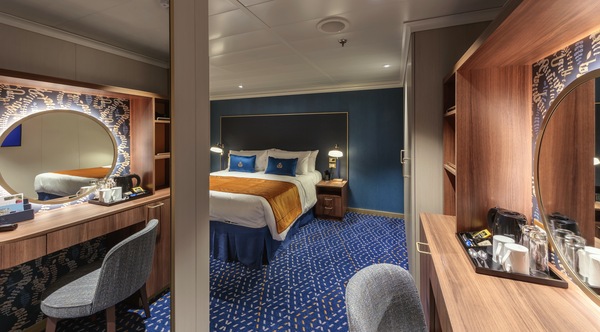
Britannia Inside
148 sqft · Up to 2 guests
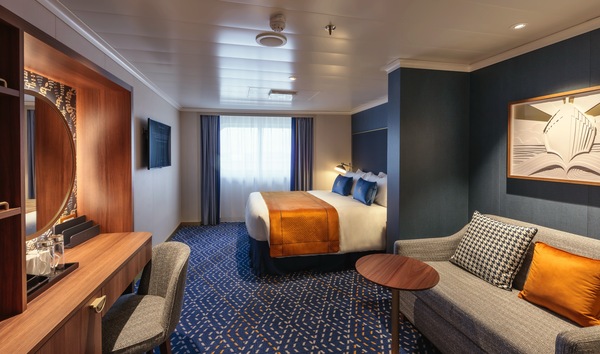
Britannia Oceanview
221 sqft · Up to 2 guests
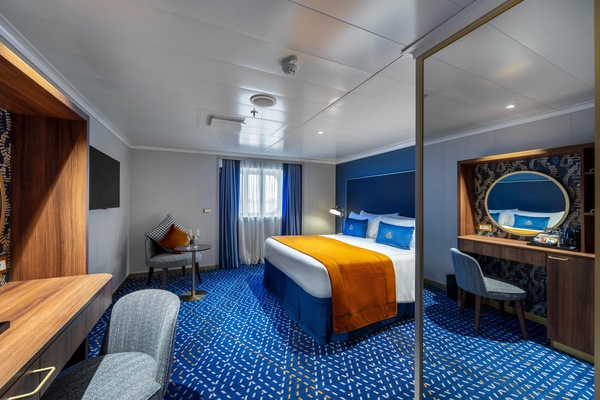
Britannia Oceanview Deluxe
236 sqft · Up to 4 guests
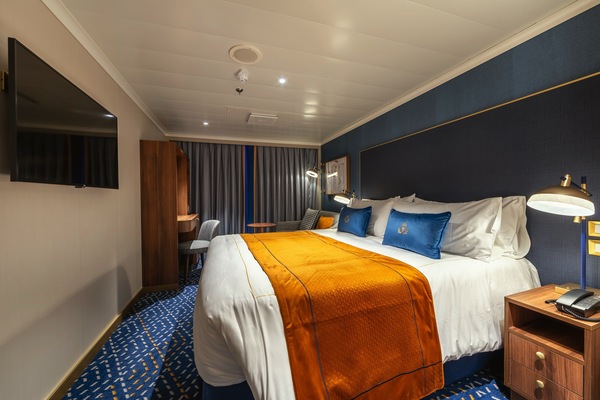
Britannia Balcony
236 sqft · Up to 4 guests
Britannia Club Balcony
236 sqft · Up to 4 guests

Princess Grill Suite
302 sqft · Up to 4 guests
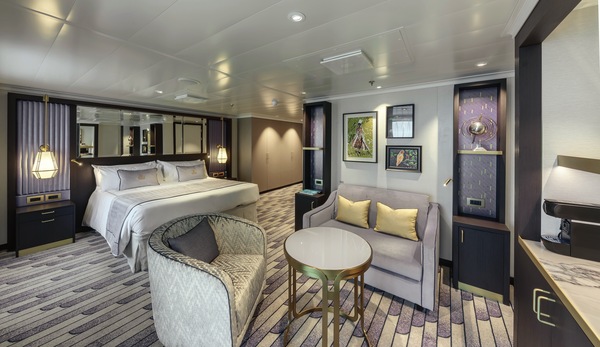
Queens Grill Penthouse
532–647 sqft · Up to 4 guests
Inside
| Cabin | Grade | Per Person | Avail. | |
|---|---|---|---|---|
| Britannia Inside · 148 sqft | IF Standard Inside (Fwd, Decks 4,10,11) | Enquire → | ||
| IE Standard Inside (Aft/Fwd, Decks 4,5,6,7,8,9) | Enquire → | |||
| ID Standard Inside (Aft, Decks 5,6,7,8) | Enquire → | |||
| IC Standard Inside (Fwd, Decks 1,4,10,11) | Enquire → | |||
| IB Standard Inside (Mid, Decks 1,9) | Enquire → |
Britannia Inside · 148 sqft
IF Standard Inside (Fwd, Decks 4,10,11)
Britannia Inside · 148 sqft
IE Standard Inside (Aft/Fwd, Decks 4,5,6,7,8,9)
Britannia Inside · 148 sqft
ID Standard Inside (Aft, Decks 5,6,7,8)
Britannia Inside · 148 sqft
IC Standard Inside (Fwd, Decks 1,4,10,11)
Britannia Inside · 148 sqft
IB Standard Inside (Mid, Decks 1,9)
Oceanview
Balcony
| Cabin | Grade | Per Person | Avail. | |
|---|---|---|---|---|
| Balcony Mid (Part Obstructed View) | CB | Enquire → | ||
| Britannia Balcony · 236 sqft | BE Balcony (Aft/Fwd, Decks 4,5,6,7,8,9) | Enquire → | ||
| BF Balcony (Fwd, Decks 4,10,11) | Enquire → | |||
| BD Balcony (Aft, Decks 5,6,7,8) | Enquire → | |||
| BC Balcony (Mid, Decks 4,8,10,11) | Enquire → | |||
| BB Balcony (Mid, Decks 5,6,7,8,9) | Enquire → | |||
| Britannia Club Balcony · 236 sqft | A2 Club Balcony (Mid, Decks 5,6,7) | Enquire → | ||
| Club Balcony (Mid/Fwd, Decks 5,6,7) | A1 | Enquire → |
Balcony Mid (Part Obstructed View)
CB
Britannia Balcony · 236 sqft
BE Balcony (Aft/Fwd, Decks 4,5,6,7,8,9)
Britannia Balcony · 236 sqft
BF Balcony (Fwd, Decks 4,10,11)
Britannia Balcony · 236 sqft
BD Balcony (Aft, Decks 5,6,7,8)
Britannia Balcony · 236 sqft
BC Balcony (Mid, Decks 4,8,10,11)
Britannia Balcony · 236 sqft
BB Balcony (Mid, Decks 5,6,7,8,9)
Britannia Club Balcony · 236 sqft
A2 Club Balcony (Mid, Decks 5,6,7)
Club Balcony (Mid/Fwd, Decks 5,6,7)
A1
Suite
| Cabin | Grade | Per Person | Avail. | |
|---|---|---|---|---|
| Princess Grill Suite · 302 sqft | P2 Princess Suite (Mid, Decks 4,8) | Enquire → | ||
| P1 Princess Suite (Mid, Decks 5,6,7) | Enquire → | |||
| Queens Grill Penthouse · 532–647 sqft | Q4 Penthouse (Mid, Deck 7) | Enquire → | ||
| Q3 Penthouse (Fwd/Aft, Decks 4,5,6,7) | Enquire → |
Princess Grill Suite · 302 sqft
P2 Princess Suite (Mid, Decks 4,8)
Princess Grill Suite · 302 sqft
P1 Princess Suite (Mid, Decks 5,6,7)
Queens Grill Penthouse · 532–647 sqft
Q4 Penthouse (Mid, Deck 7)
Queens Grill Penthouse · 532–647 sqft
Q3 Penthouse (Fwd/Aft, Decks 4,5,6,7)
More Departures
7 nights
Abbey Road At Sea
23/10/2026
From
£499
14 nights
Roundtrip Transatlantic Crossing
23/10/2026
From
£2,699
7 nights
Spain and France
25/10/2026
From
£849
7 nights
Eastbound Transatlantic Crossing
30/10/2026
From
£529
12 nights
Azores
01/11/2026
From
£799
12 nights
Eastern Caribbean
05/11/2026
From
£949
Your Ship
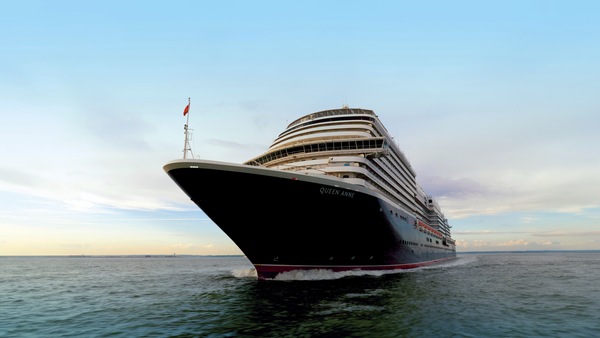
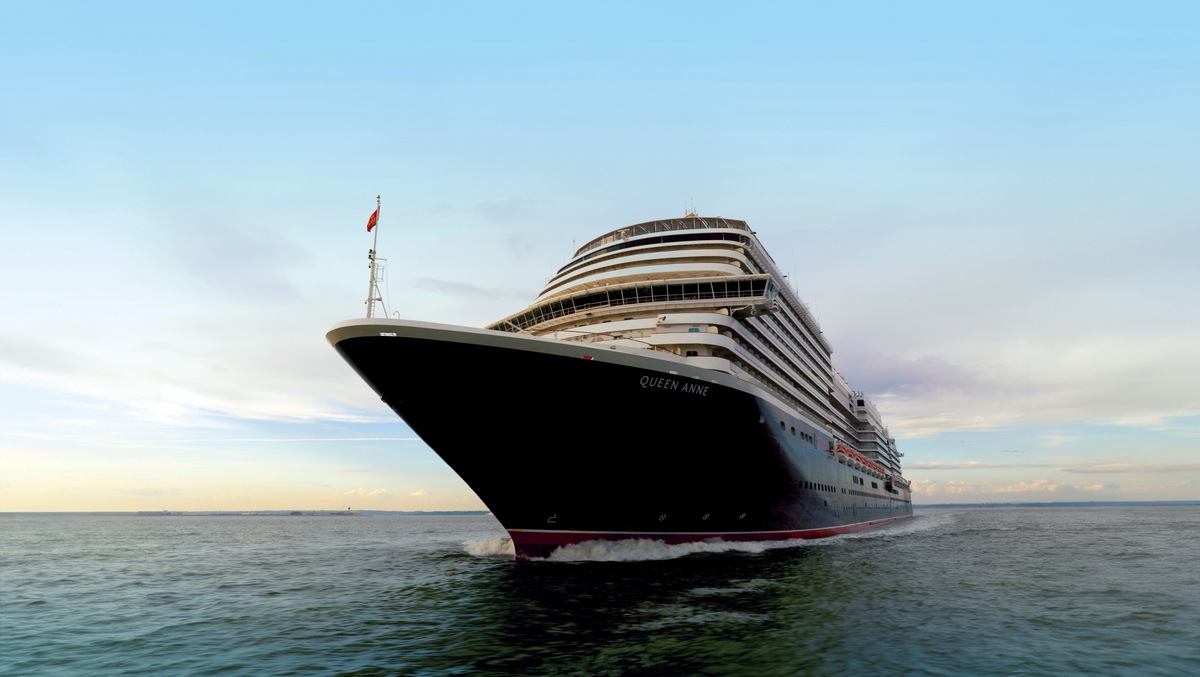
Queen Anne
Queen Anne’s breathtaking interiors take inspiration from our past to define a striking new design direction for our future. Come on board to discover a ship that is modern, yet timeless. A ship that offers both exciting, novel experiences, as well as our much-loved signature venues.