Discover the Douro & Rhone rivers
All inclusive — prices from Solo all inclusive — from

Ports of Call & Itinerary
14-night voyage departing Porto, arriving Marseille.
Printable Itinerary (PDF)Route Map
Discover the Douro & Rhone rivers
22 ports plotted · click a marker for details
Day 1
Porto , Portugal
Saturday, 13/05/2028
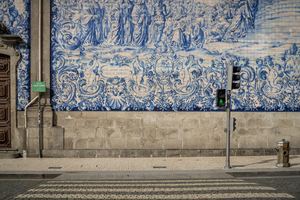
Lively, commercial Oporto is the second largest city in Portugal after Lisbon. Also called Porto for short, the word easily brings to mind the city's most famous product - port wine. Oporto's strategic location on the north bank of the Douro River has accounted for the town's importance since ancient times. The Romans built a fort here where their trading route crossed the Douro, and the Moors brought their own culture to the area. Oporto profited from provisioning crusaders en route to the Holy Land and enjoyed the riches from Portuguese maritime discoveries during the 15th and 16th centuries. Later, port wine trade with Britain compensated for the loss of the spice trade and the end of gold and gem shipments from Brazil. In the 19th century, the city went through a period of new prosperity with the rise of industries. In its wake followed the building of workers' quarters and opulent residences. Since the declaration of Oporto as a World Heritage Site by UNESCO, the city aims to build up a cultural reference that will provide it with a new image, based on deep historical roots. Among the attractions that make Oporto such an interesting place are its graceful bridges spanning the Douro River, a picturesque riverfront quarter and, most notable, its world-famous port wine lodges. Although Oporto is a bustling centre and home to many different businesses, the source of its greatest fame is the rich, sweet fortified red wine we know as port.
Day 2
Porto , Portugal
Sunday, 14/05/2028
Lively, commercial Oporto is the second largest city in Portugal after Lisbon. Also called Porto for short, the word easily brings to mind the city's most famous product - port wine. Oporto's strategic location on the north bank of the Douro River has accounted for the town's importance since ancient times. The Romans built a fort here where their trading route crossed the Douro, and the Moors brought their own culture to the area. Oporto profited from provisioning crusaders en route to the Holy Land and enjoyed the riches from Portuguese maritime discoveries during the 15th and 16th centuries. Later, port wine trade with Britain compensated for the loss of the spice trade and the end of gold and gem shipments from Brazil. In the 19th century, the city went through a period of new prosperity with the rise of industries. In its wake followed the building of workers' quarters and opulent residences. Since the declaration of Oporto as a World Heritage Site by UNESCO, the city aims to build up a cultural reference that will provide it with a new image, based on deep historical roots. Among the attractions that make Oporto such an interesting place are its graceful bridges spanning the Douro River, a picturesque riverfront quarter and, most notable, its world-famous port wine lodges. Although Oporto is a bustling centre and home to many different businesses, the source of its greatest fame is the rich, sweet fortified red wine we know as port.
Day 2
Pinhão , Portugal
Sunday, 14/05/2028
Day 3
Pinhão , Portugal
Monday, 15/05/2028
Day 3
Vega de Terrón , Spain
Monday, 15/05/2028
Day 4
Vega de Terrón , Spain
Tuesday, 16/05/2028
Day 4
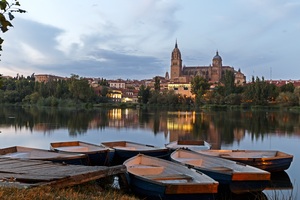
Salamanca , Spain
Tuesday, 16/05/2028

Day 5
Pocinho , Portugal
Wednesday, 17/05/2028
Day 5
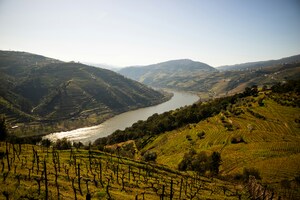
Régua , Portugal
Wednesday, 17/05/2028
Day 6
Régua , Portugal
Thursday, 18/05/2028
Day 6
Porto , Portugal
Thursday, 18/05/2028
Lively, commercial Oporto is the second largest city in Portugal after Lisbon. Also called Porto for short, the word easily brings to mind the city's most famous product - port wine. Oporto's strategic location on the north bank of the Douro River has accounted for the town's importance since ancient times. The Romans built a fort here where their trading route crossed the Douro, and the Moors brought their own culture to the area. Oporto profited from provisioning crusaders en route to the Holy Land and enjoyed the riches from Portuguese maritime discoveries during the 15th and 16th centuries. Later, port wine trade with Britain compensated for the loss of the spice trade and the end of gold and gem shipments from Brazil. In the 19th century, the city went through a period of new prosperity with the rise of industries. In its wake followed the building of workers' quarters and opulent residences. Since the declaration of Oporto as a World Heritage Site by UNESCO, the city aims to build up a cultural reference that will provide it with a new image, based on deep historical roots. Among the attractions that make Oporto such an interesting place are its graceful bridges spanning the Douro River, a picturesque riverfront quarter and, most notable, its world-famous port wine lodges. Although Oporto is a bustling centre and home to many different businesses, the source of its greatest fame is the rich, sweet fortified red wine we know as port.
Day 7
Porto , Portugal
Friday, 19/05/2028
Lively, commercial Oporto is the second largest city in Portugal after Lisbon. Also called Porto for short, the word easily brings to mind the city's most famous product - port wine. Oporto's strategic location on the north bank of the Douro River has accounted for the town's importance since ancient times. The Romans built a fort here where their trading route crossed the Douro, and the Moors brought their own culture to the area. Oporto profited from provisioning crusaders en route to the Holy Land and enjoyed the riches from Portuguese maritime discoveries during the 15th and 16th centuries. Later, port wine trade with Britain compensated for the loss of the spice trade and the end of gold and gem shipments from Brazil. In the 19th century, the city went through a period of new prosperity with the rise of industries. In its wake followed the building of workers' quarters and opulent residences. Since the declaration of Oporto as a World Heritage Site by UNESCO, the city aims to build up a cultural reference that will provide it with a new image, based on deep historical roots. Among the attractions that make Oporto such an interesting place are its graceful bridges spanning the Douro River, a picturesque riverfront quarter and, most notable, its world-famous port wine lodges. Although Oporto is a bustling centre and home to many different businesses, the source of its greatest fame is the rich, sweet fortified red wine we know as port.
Day 8
Porto , Portugal
Saturday, 20/05/2028
Lively, commercial Oporto is the second largest city in Portugal after Lisbon. Also called Porto for short, the word easily brings to mind the city's most famous product - port wine. Oporto's strategic location on the north bank of the Douro River has accounted for the town's importance since ancient times. The Romans built a fort here where their trading route crossed the Douro, and the Moors brought their own culture to the area. Oporto profited from provisioning crusaders en route to the Holy Land and enjoyed the riches from Portuguese maritime discoveries during the 15th and 16th centuries. Later, port wine trade with Britain compensated for the loss of the spice trade and the end of gold and gem shipments from Brazil. In the 19th century, the city went through a period of new prosperity with the rise of industries. In its wake followed the building of workers' quarters and opulent residences. Since the declaration of Oporto as a World Heritage Site by UNESCO, the city aims to build up a cultural reference that will provide it with a new image, based on deep historical roots. Among the attractions that make Oporto such an interesting place are its graceful bridges spanning the Douro River, a picturesque riverfront quarter and, most notable, its world-famous port wine lodges. Although Oporto is a bustling centre and home to many different businesses, the source of its greatest fame is the rich, sweet fortified red wine we know as port.
Day 8
Lyon , France
Saturday, 20/05/2028
Lyon, the capital city in France’s Auvergne-Rhône-Alpes region, sits at the junction of the Rhône and Saône rivers. Its center reflects 2,000 years of history from the Roman Amphithéâtre des Trois Gaules, medieval and Renaissance architecture in Vieux (Old) Lyon, to the modern Confluence district on Presqu'île peninsula. Traboules, covered passageways between buildings, connect Vieux Lyon and La Croix-Rousse hill.

Day 9
Lyon , France
Sunday, 21/05/2028
Lyon, the capital city in France’s Auvergne-Rhône-Alpes region, sits at the junction of the Rhône and Saône rivers. Its center reflects 2,000 years of history from the Roman Amphithéâtre des Trois Gaules, medieval and Renaissance architecture in Vieux (Old) Lyon, to the modern Confluence district on Presqu'île peninsula. Traboules, covered passageways between buildings, connect Vieux Lyon and La Croix-Rousse hill.
Day 10
Mâcon , France
Monday, 22/05/2028

Day 11
Tournon-sur-Rhône , France
Tuesday, 23/05/2028
Day 12
Viviers , France
Wednesday, 24/05/2028
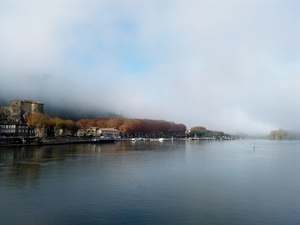
Viviers, France, is a charming medieval town in the Rhône-Alpes region, renowned for its well-preserved historical architecture. Nestled on the banks of the Rhône River, it features narrow, winding streets, ancient stone houses, and the impressive Saint-Vincent Cathedral. The town's Roman and medieval heritage is evident in its old ramparts and historic buildings. Viviers' tranquil atmosphere and picturesque surroundings offer a glimpse into the past, making it a delightful destination for history lovers and those seeking a serene escape.
Day 13
Avignon , France
Thursday, 25/05/2028
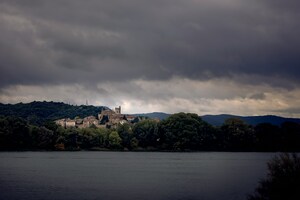
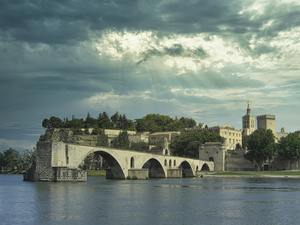
Avignon, France, is a historic city in Provence famed for its stunning medieval architecture. Dominated by the impressive Palais des Papes, a grand papal palace, and the iconic Pont Saint-Bénézet bridge, Avignon offers a rich cultural heritage. Its charming streets, vibrant markets, and annual theater festival, the Festival d'Avignon, add to its allure. Surrounded by picturesque vineyards and the Rhône River, Avignon blends history with a lively contemporary atmosphere, making it a must-visit for history enthusiasts and culture seekers.
Day 14
Arles , France
Friday, 26/05/2028
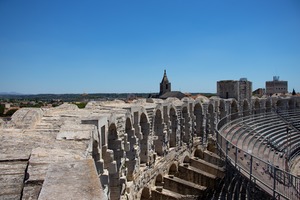
Arles, France, is a historic city in Provence renowned for its Roman heritage and artistic legacy. The ancient amphitheater and the Roman Theater are standout landmarks. Arles also boasts charming streets and vibrant markets, reflecting its rich cultural life. Known for its connection to Vincent van Gogh, the city features scenes immortalized in his paintings. The blend of historical architecture, vibrant local culture, and picturesque landscapes makes Arles a captivating destination for history buffs and art enthusiasts alike.
Day 15
Arles , France
Saturday, 27/05/2028
Arles, France, is a historic city in Provence renowned for its Roman heritage and artistic legacy. The ancient amphitheater and the Roman Theater are standout landmarks. Arles also boasts charming streets and vibrant markets, reflecting its rich cultural life. Known for its connection to Vincent van Gogh, the city features scenes immortalized in his paintings. The blend of historical architecture, vibrant local culture, and picturesque landscapes makes Arles a captivating destination for history buffs and art enthusiasts alike.
Day 15
Marseille , France
Saturday, 27/05/2028
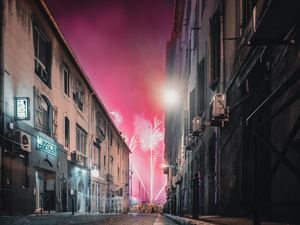
Since being designated a European Capital of Culture for 2013, with an estimated €660 million of funding in the bargain, Marseille has been in the throes of an extraordinary transformation, with no fewer than five major new arts centers, a beautifully refurbished port, revitalized neighborhoods, and a slew of new shops and restaurants. Once the underdog, this time-burnished city is now welcoming an influx of weekend tourists who have colonized entire neighborhoods and transformed them into elegant pieds-à-terre (or should we say, mer). The second-largest city in France, Marseille is one of Europe's most vibrant destinations. Feisty and fond of broad gestures, it is also as complicated and as cosmopolitan now as it was when a band of Phoenician Greeks first sailed into the harbor that is today's Vieux Port in 600 BC. Legend has it that on that same day a local chieftain's daughter, Gyptis, needed to choose a husband, and her wandering eyes settled on the Greeks' handsome commander Protis. Her dowry brought land near the mouth of the Rhône, where the Greeks founded Massalia, the most important Continental shipping port in antiquity. The port flourished for some 500 years as a typical Greek city, enjoying the full flush of classical culture, its gods, its democratic political system, its sports and theater, and its naval prowess. Caesar changed all that, besieging the city in 49 BC and seizing most of its colonies. In 1214 Marseille was seized again, this time by Charles d'Anjou, and was later annexed to France by Henri IV in 1481, but it was not until Louis XIV took the throne that the biggest transformations of the port began; he pulled down the city walls in 1666 and expanded the port to the Rive Neuve (New Riverbank). The city was devastated by plague in 1720, losing more than half its population. By the time of the Revolution, Marseille was on the rebound once again, with industries of soap manufacturing and oil processing flourishing, encouraging a wave of immigration from Provence and Italy. With the opening of the Suez Canal in 1869, Marseille became the greatest boomtown in 19th-century Europe. With a large influx of immigrants from areas as exotic as Tangiers, the city quickly acquired the multicultural population it maintains to this day.
Room Type & Prices
All all inclusive prices per person based on double occupancy. Solo traveller prices — single occupancy. Contact our cruise experts for the latest availability and best fares.
Price
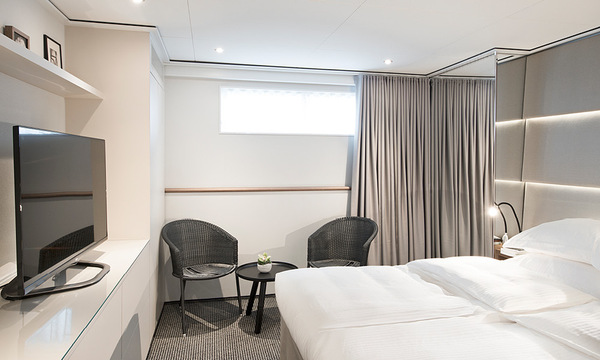
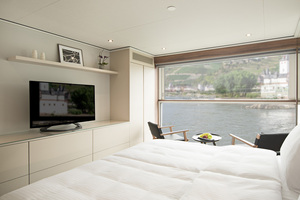
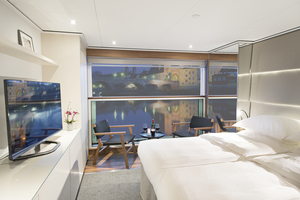
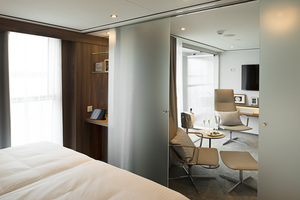
Emerald Stateroom
153–170 sqft · Up to 2 guests
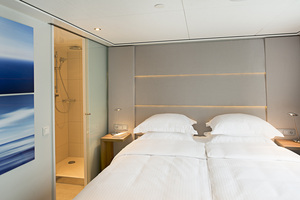
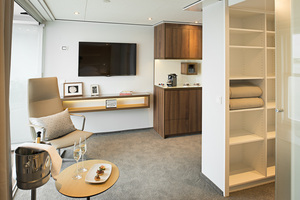
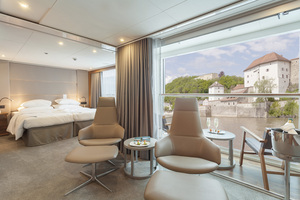
Emerald Panorama Balcony Suite
160–180 sqft · Up to 2 guests

Owner's One-Bedroom Suite
285 sqft · Up to 2 guests
Oceanview
| Cabin | Grade | Per Person | Avail. | |
|---|---|---|---|---|
| Emerald Stateroom · 153–170 sqft | E | Enquire → |
Emerald Stateroom · 153–170 sqft
E
More Departures
7 nights
Danube Delights
16/10/2026
Solo From
£5,221
From
£2,786
10 nights
Danube Delights & Classic Prague
16/10/2026
Solo From
£5,096
From
£2,761
7 nights
Autumn Sensations of Lyon & Provence
17/10/2026
Solo From
£6,696
From
£3,523
7 nights
Jewels of the Rhine
17/10/2026
Solo From
£3,702
From
£2,625
14 nights
Splendours of Europe
17/10/2026
Solo From
£7,742
From
£4,219
14 nights
Splendours of Europe
17/10/2026
Solo From
£7,742
From
£4,219
Your Ship
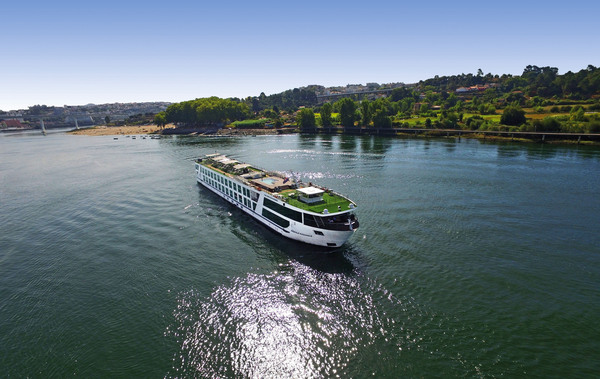
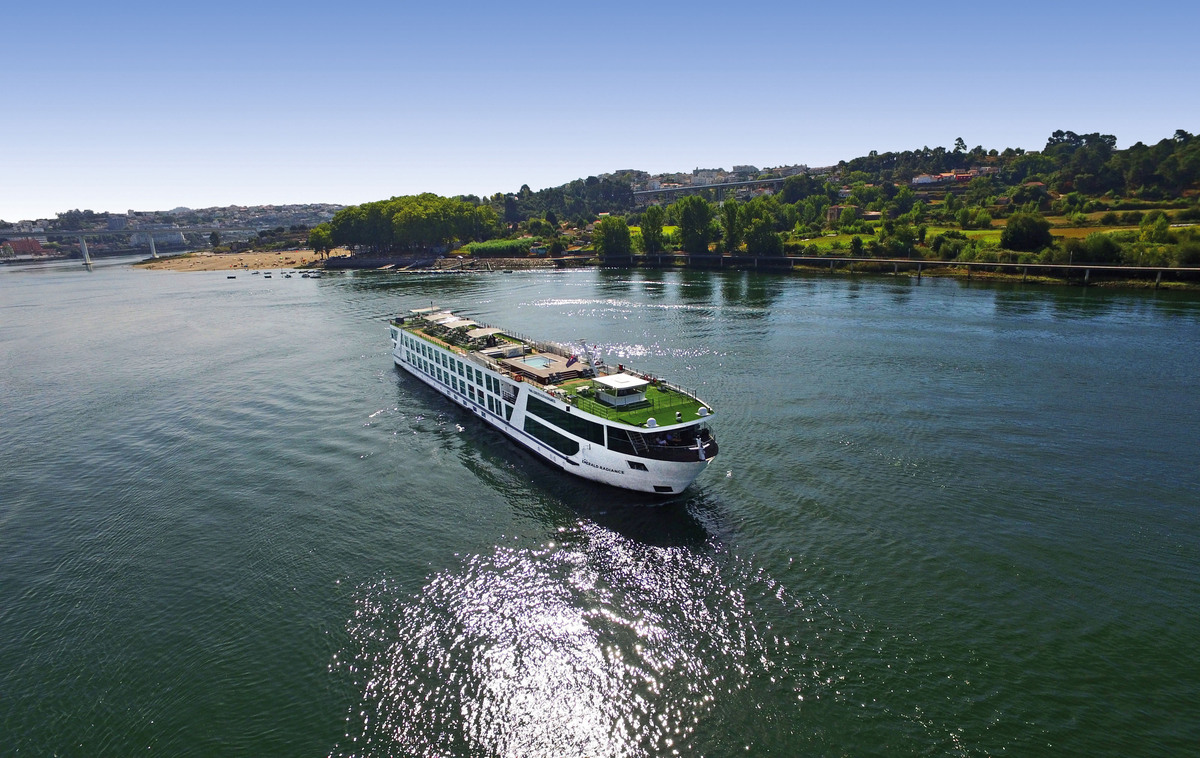
Emerald Radiance
Custom-designed to sail the Douro Valley, enjoy the sights from the Serenity Pool on the Sun Deck and relax in the exclusive Riverview Suites.