A Journey through Adriatic Gems & Historical Riches
Cruise only — prices from Solo cruise only — from

Ports of Call & Itinerary
10-night voyage departing Fusina.
Printable Itinerary (PDF)Route Map
A Journey through Adriatic Gems & Historical Riches
9 ports plotted · click a marker for details
Day 1
Fusina , Italy
Sunday, 04/04/2027
Day 2
Zadar , Croatia
Monday, 05/04/2027
Dalmatia's capital for more than 1,000 years, Zadar is all too often passed over by travelers on their way to Split or Dubrovnik. What they miss out on is a city of more than 73,000 that is remarkably lovely and lively despite—and, in some measure, because of—its tumultuous history. The Old Town, separated from the rest of the city on a peninsula some 4 km (2½ miles) long and just 1,640 feet wide, is bustling and beautiful: the marble pedestrian streets are replete with Roman ruins, medieval churches, palaces, museums, archives, and libraries. Parts of the new town are comparatively dreary, a testament to what a world war followed by decades of communism, not to mention a civil war, can do to the architecture of a city that is 3,000 years old. A settlement had already existed on the site of the present-day city for some 2,000 years when Rome finally conquered Zadar in the 1st century BC; the foundations of the forum can be seen today. Before the Romans came the Liburnians had made it a key center for trade with the Greeks and Romans for 800 years. In the 3rd century BC the Romans began to seriously pester the Liburnians, but required two centuries to bring the area under their control. During the Byzantine era, Zadar became the capital of Dalmatia, and this period saw the construction of its most famous church, the 9th-century St. Donat's Basilica. It remained the region's foremost city through the ensuing centuries. The city then experienced successive onslaughts and occupations—both long and short—by the Osogoths, the Croatian-Hungarian kings, the Venetians, the Turks, the Habsburgs, the French, the Habsburgs again, and finally the Italians before becoming part of Yugoslavia and, in 1991, the independent republic of Croatia. Zadar was for centuries an Italian-speaking city, and Italian is still spoken widely, especially by older people. Indeed, it was ceded to Italy in 1921 under the Treaty of Rapallo (and reverted to its Italian name of Zara). Its occupation by the Germans from 1943 led to intense bombing by the Allies during World War II, which left most of the city in ruins. Zadar became part of Tito's Yugoslavia in 1947, prompting many Italian residents to leave. Zadar's most recent ravages occurred during a three-month siege by Serb forces and months more of bombardment during the Croatian-Serbian war between 1991 and 1995. But you'd be hard-pressed to find outward signs of this today in what is a city to behold. There are helpful interpretive signs in English all around the Old Town, so you certainly won't feel lost when trying to make sense of the wide variety of architectural sites you might otherwise pass by with only a cursory look.
Day 3
Dubrovnik , Croatia
Tuesday, 06/04/2027
Nothing can prepare you for your first sight of Dubrovnik. Lying 216 km (135 miles) southeast of Split and commanding a jaw-dropping coastal location, it is one of the world's most beautiful fortified cities. Its massive stone ramparts and fortress towers curve around a tiny harbor, enclosing graduated ridges of sun-bleached orange-tiled roofs, copper domes, and elegant bell towers. Your imagination will run wild picturing what it looked like seven centuries ago when the walls were built, without any suburbs or highways around it, just this magnificent stone city rising out of the sea.In the 7th century AD, residents of the Roman city Epidaurum (now Cavtat) fled the Avars and Slavs of the north and founded a new settlement on a small rocky island, which they named Laus, and later Ragusa. On the mainland hillside opposite the island, the Slav settlement called Dubrovnik grew up. In the 12th century the narrow channel separating the two settlements was filled in (now the main street through the Old Town, called Stradun), and Ragusa and Dubrovnik became one. The city was surrounded by defensive walls during the 13th century, and these were reinforced with towers and bastions in the late 15th century.From 1358 to 1808 the city thrived as a powerful and remarkably sophisticated independent republic, reaching its golden age during the 16th century. In 1667 many of its splendid Gothic and Renaissance buildings were destroyed by an earthquake. The defensive walls survived the disaster, and the city was rebuilt in baroque style.Dubrovnik lost its independence to Napoléon in 1808, and in 1815 passed to Austria-Hungary. During the 20th century, as part of Yugoslavia, the city became a popular tourist destination, and in 1979 it was listed as a UNESCO World Heritage Site. During the war for independence, it came under heavy siege. Thanks to careful restoration, few traces of damage remain; however, there are maps inside the Pile and Ploče Gates illustrating the points around the city where damage was done. It’s only when you experience Dubrovnik yourself that you can understand what a treasure the world nearly lost

Day 5
Piraeus , Greece
Thursday, 08/04/2027
Athenians don’t live in the past. Ahead of its time, Athens exudes glamour and a sense of possibility - housing galleries, gelaterias, bijoux boutiques alongside a plethora of museums. And you can’t help but marvel at the archaeological wonders of the Acropolis and the Parthenon. Stroll through vibrant streets and markets, dance at buzzing bouzoukia, sing along in tavernas. At night, head to the harbour, where dimly lit bars serve the local ice cold beer. And, as you inhale the salty air and watch Greek fishing boats peacefully depart for their catch, reflect on this ancient city's progressive attitude.

Day 6
Kusadasi , Turkey
Friday, 09/04/2027
Whilst the busy resort town of Kusadasi offers much in the way of shopping and dining – not to mention a flourishing beach life scene, the real jewel here is Ephesus and the stunning ruined city that really take centre stage. With only 20% of the classical ruins having been excavated, this archaeological wonder has already gained the status as Europe’s most complete classical metropolis. And a metropolis it really is; built in the 10th century BC this UNESCO World Heritage site is nothing short of spectacular. Although regrettably very little remains of the Temple of Artemis (one of the seven wonders of the ancient world), the superb Library of Celsus’ façade is practically intact and it is one of life’s great joys to attend an evening performance in the illuminated ruins once all the tourists have left. The history of the city is fascinating and multi-layered and it is well worth reading up on this beforehand if a visit is planned. Another point of interest for historians would be the house of the Virgin Mary, located on the romantically named Mount Nightingale and just nine kilometres away from Ephesus proper. Legend has it that Mary (along with St. John) spent her final years here, secluded from the rest of the population, spreading Christianity. An edifying experience, even for non-believers. For the less historical minded amongst you, Kusadasi offers plenty in the way of activities. After a stroll through the town, jump in a taxi to Ladies’ Beach (men are allowed), sample a Turkish kebap on one of the many beachfront restaurants and enjoy the clement weather. If you do want to venture further afield, then the crystal clear beaches of Guzelcamli (or the Millipark), the cave of Zeus and the white scalloped natural pools at Pamukkale, known as Cleopatra’s pools, are definitely worth a visit.
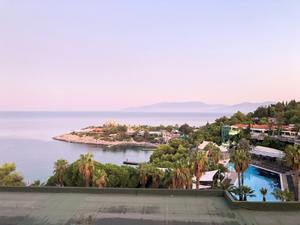
Day 7
Ermoupoli, Syra , Greece
Saturday, 10/04/2027
Syros is an island in the Aegean Sea, 78 miles (125 kilometres) southeast of Athens, and the administrative, commercial, intellectual and cultural centre of the Cyclades. Syros is 32 square miles (82.8 square kilometres) in area. Its largest towns are Ermoupoli, the capital of the island and Cyclades, Ano Syros and Vari. Although Syros belongs to the Cyclades islands, its architecture is more medieval than Cycladic. The beaches of Syros are especially inviting, and surrounded by many tourist facilities and accommodations.
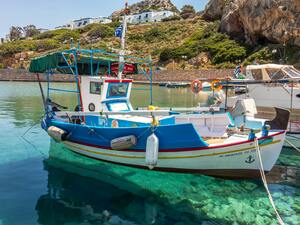
Day 9
Bari , Italy
Monday, 12/04/2027
Bari, capital of the province of Apulia, lies on southern Italy's Adriatic coast. Its busy port is a leading commercial and industrial centre as well as a transit point for travellers catching ferries across the Adriatic to Greece. Bari comprises a new and an old town. To the north, on a promontory between the old and new harbours, lies the picturesque old town, or Citta Vecchia, with a maze of narrow, crooked streets. To the south is the spacious and regularly planned new town, which has developed considerably since 1930, when the Levant Fair was first held here. The heart of the modern town is Piazza della Liberta. The busy thoroughfare, Corso Vittorio Emanuele II, separates the new town from the old. At the eastern end of the Corso begins the Lungomare Nazario Sauro, a magnificent seafront promenade that runs along the old harbour. Bari and the Apulian region were long recognized for their strategic location, attracting a succession of colonizers such as the Normans, Moors and Spaniards, each leaving their mark.
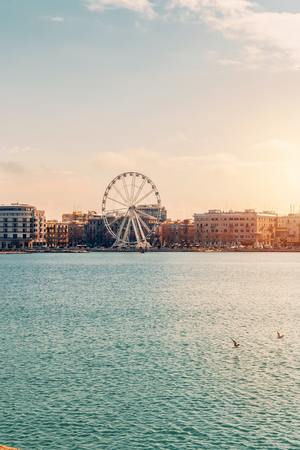
Day 10
Trogir , Croatia
Tuesday, 13/04/2027
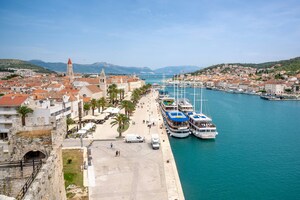
Day 11
Fusina , Italy
Wednesday, 14/04/2027
Room Type & Prices
All prices per person based on double occupancy. Solo traveller prices — single occupancy. Contact our cruise experts for the latest availability and best fares.
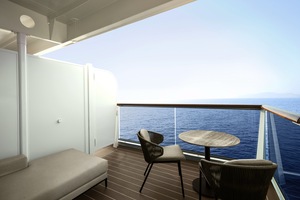
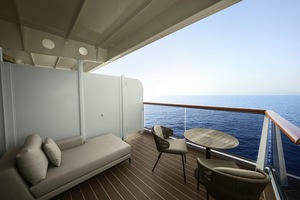
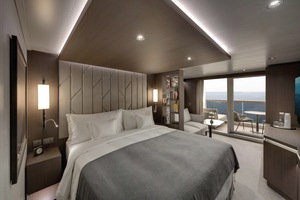
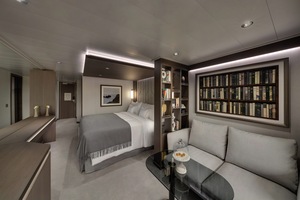
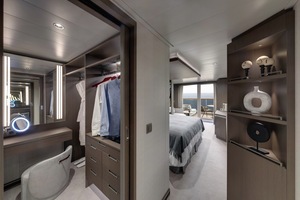
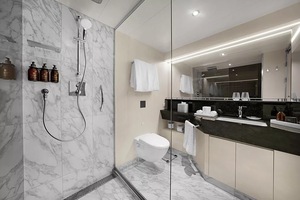
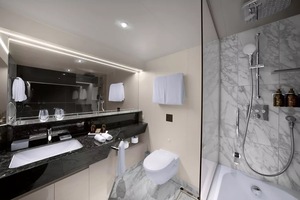
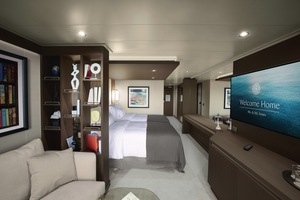
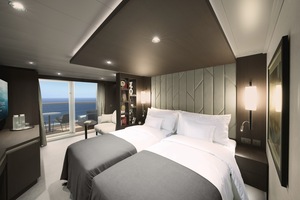
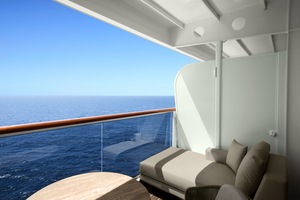
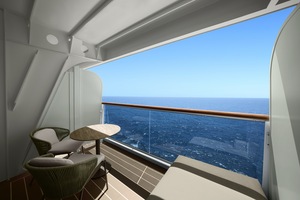
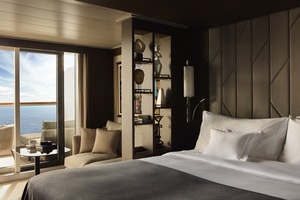
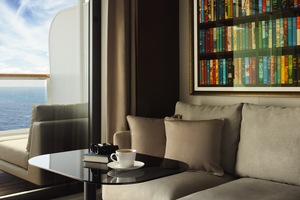

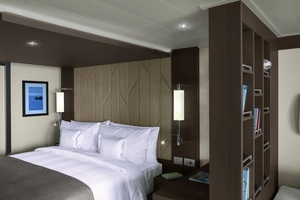
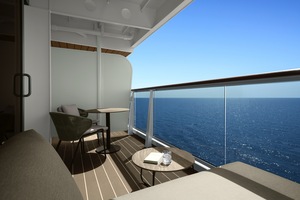
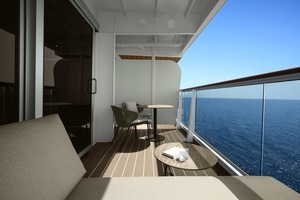
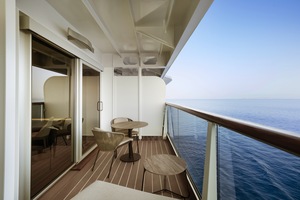
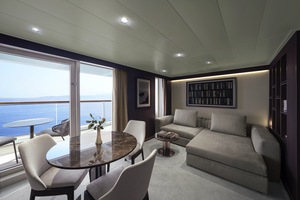
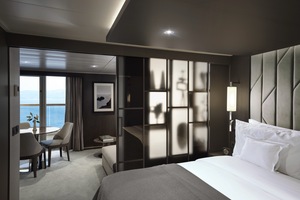
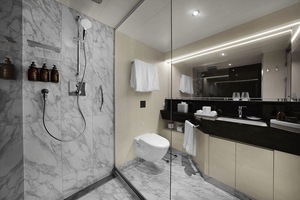
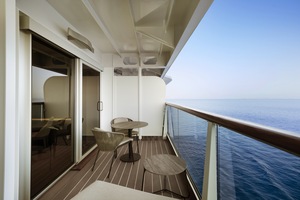
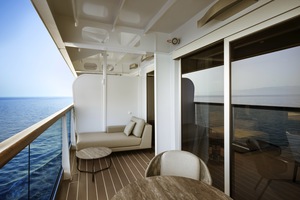
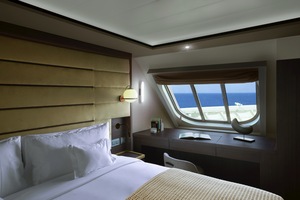
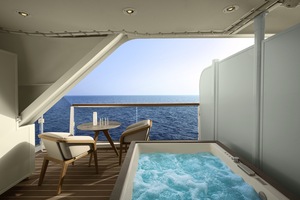
Ocean Terrace Suite
377–420 sqft · Up to 3 guests
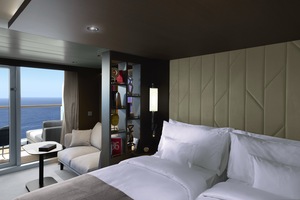
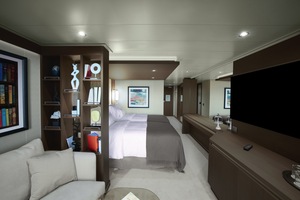
Ocean Grand Terrace Suite
377–420 sqft · Up to 3 guests
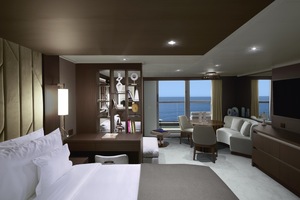
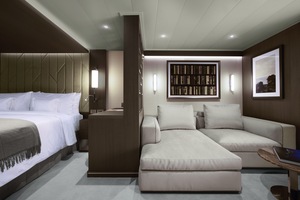
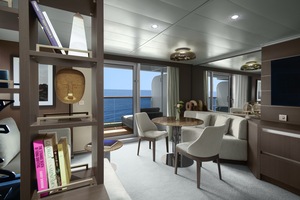
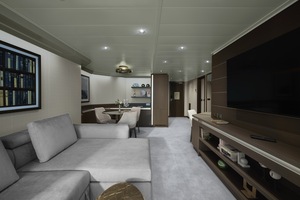
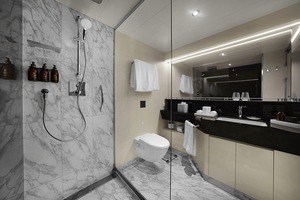
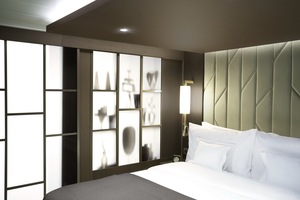
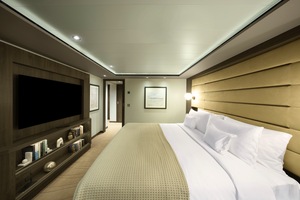
Penthouse
463–732 sqft · Up to 4 guests
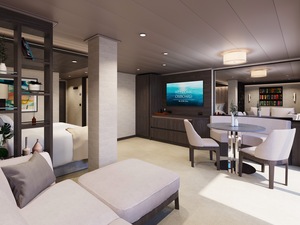
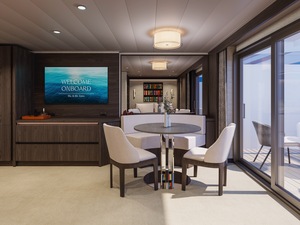
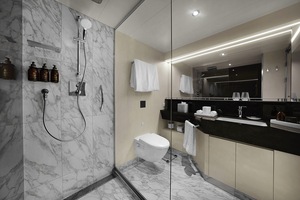
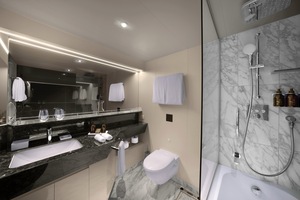
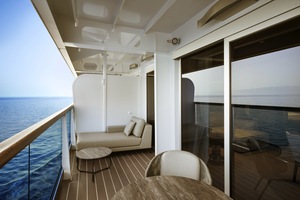
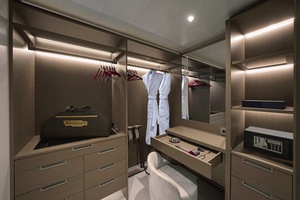
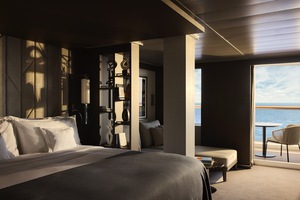
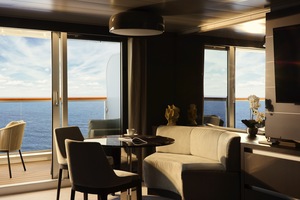
Deluxe Penthouse
463–732 sqft · Up to 4 guests
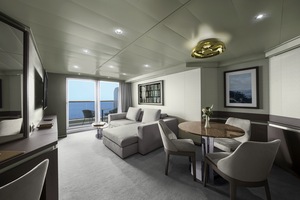
Premier Penthouse
463–732 sqft · Up to 4 guests
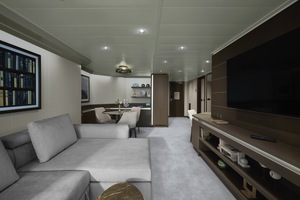
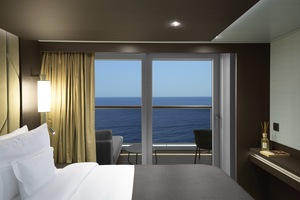
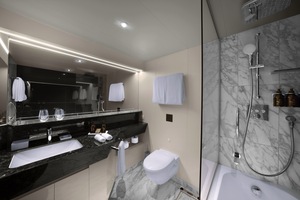
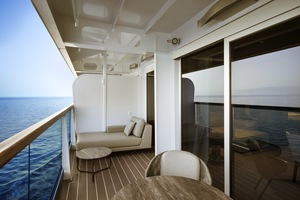
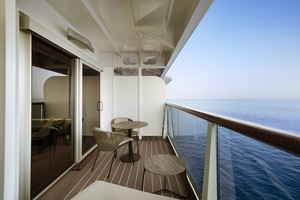
Grand Penthouse
463–732 sqft · Up to 4 guests
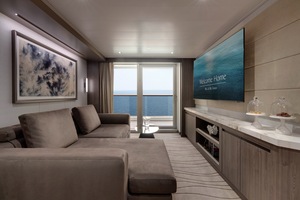
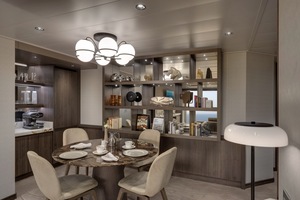
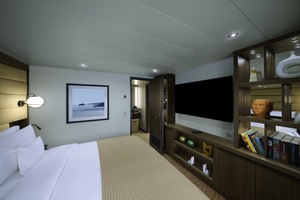
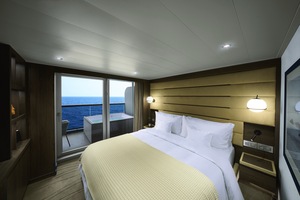
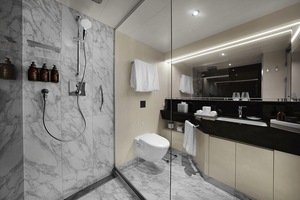
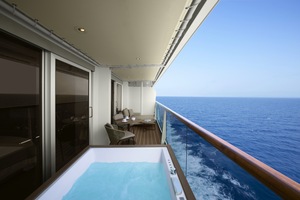
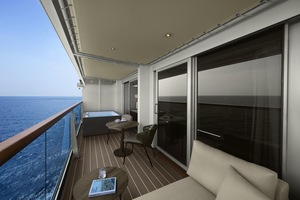
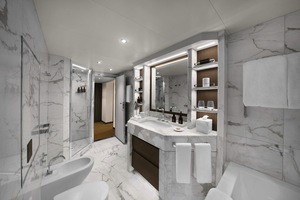
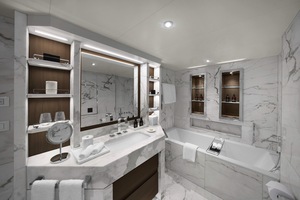
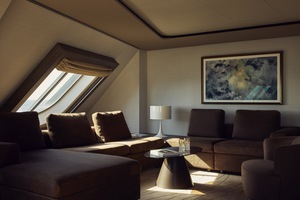
Cove Residence
753–1604 sqft · Up to 4 guests
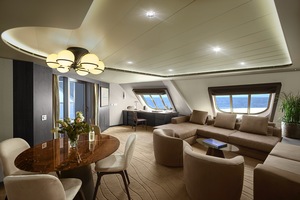
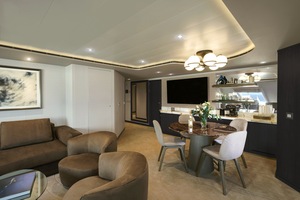
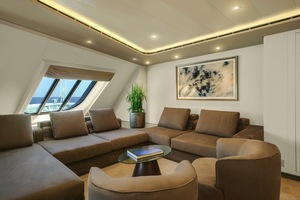
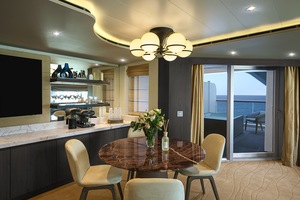
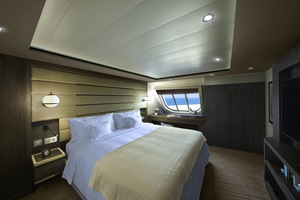

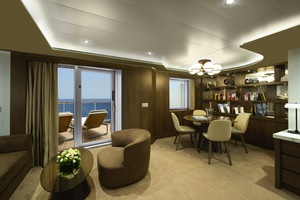
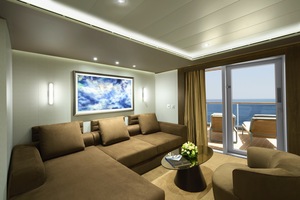
Retreat Residence
753–1604 sqft · Up to 4 guests
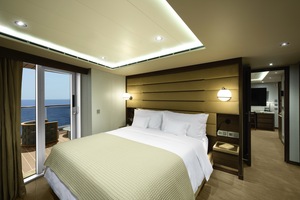
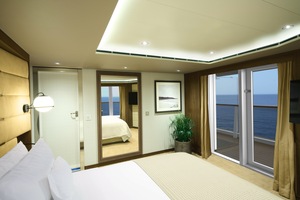
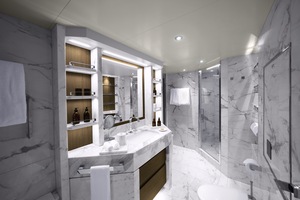
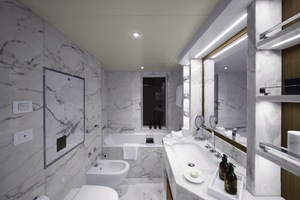
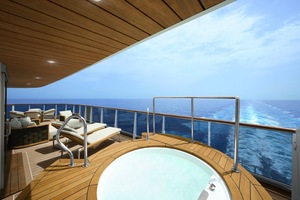
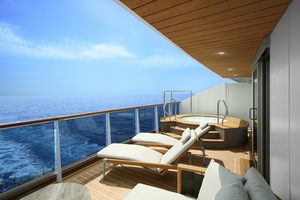
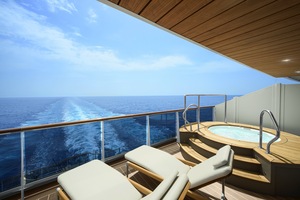
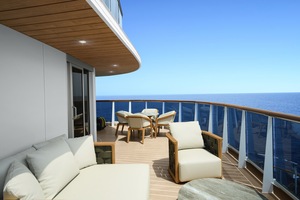
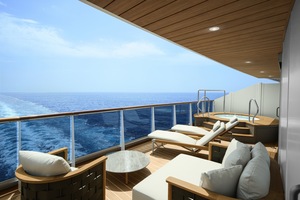
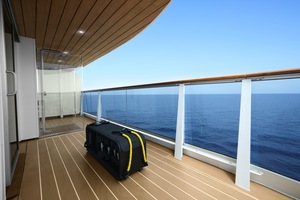
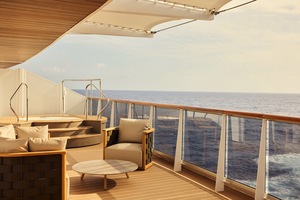
Serenity Residence
753–1601 sqft · Up to 4 guests
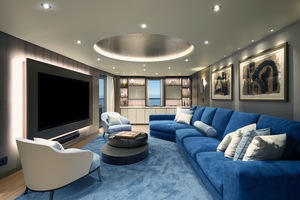
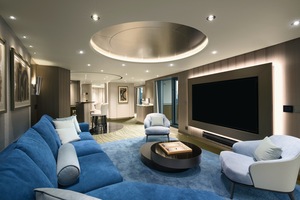
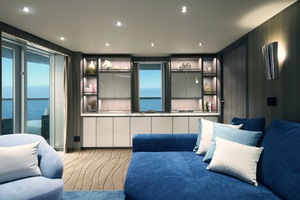
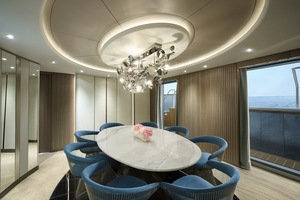
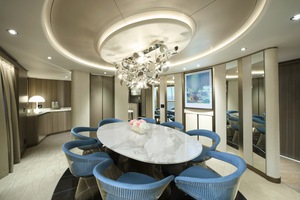
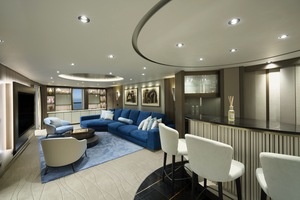
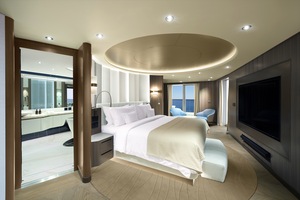
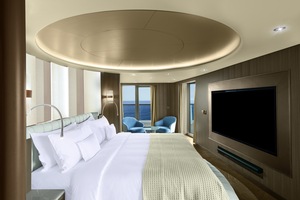
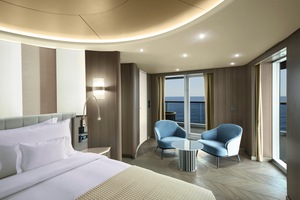
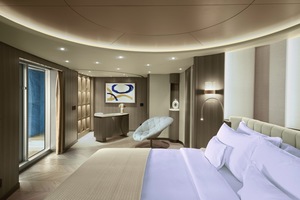
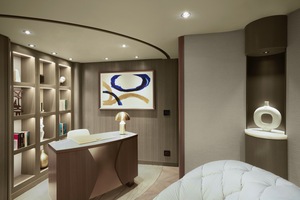
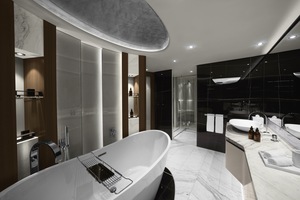
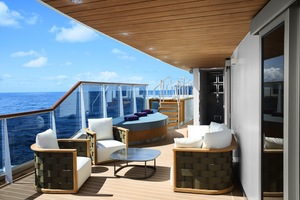
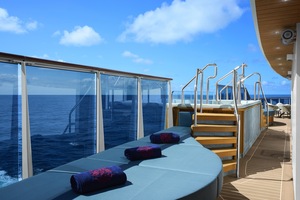
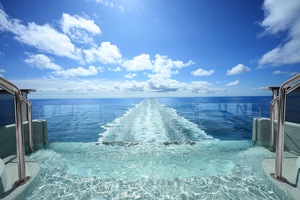
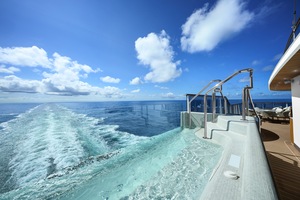
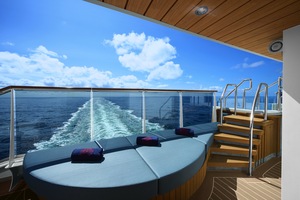
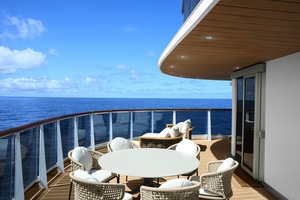
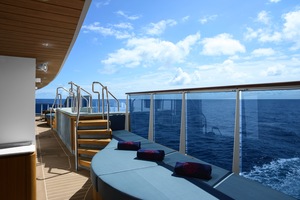
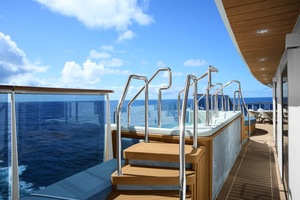
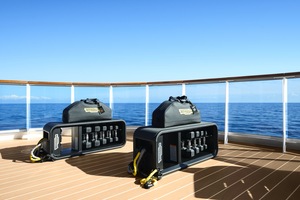
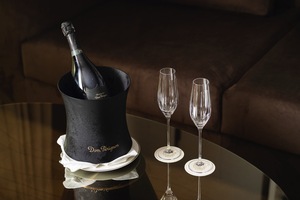
Owner's Residence
3014 sqft · Up to 4 guests
Suite
| Cabin | Grade | Per Person | Avail. | |
|---|---|---|---|---|
| Ocean Terrace Suite · 377–420 sqft | OT4 Ocean Terrace Suite OT4 | Enquire → | ||
| Ocean Grand Terrace Suite · 377–420 sqft | GT | Enquire → | ||
| Penthouse · 463–732 sqft | PH | Enquire → | ||
| Deluxe Penthouse · 463–732 sqft | DP | Enquire → | ||
| Premier Penthouse · 463–732 sqft | PP | Enquire → | ||
| Grand Penthouse · 463–732 sqft | GP | Enquire → | ||
| Cove Residence · 753–1604 sqft | CO | Enquire → | ||
| Retreat Residence · 753–1604 sqft | RR | Enquire → | ||
| Serenity Residence · 753–1601 sqft | SR | Enquire → | ||
| Owner's Residence · 3014 sqft | OR | Enquire → |
Ocean Terrace Suite · 377–420 sqft
OT4 Ocean Terrace Suite OT4
Ocean Grand Terrace Suite · 377–420 sqft
GT
Penthouse · 463–732 sqft
PH
Deluxe Penthouse · 463–732 sqft
DP
Premier Penthouse · 463–732 sqft
PP
Grand Penthouse · 463–732 sqft
GP
Cove Residence · 753–1604 sqft
CO
Retreat Residence · 753–1604 sqft
RR
Serenity Residence · 753–1601 sqft
SR
Owner's Residence · 3014 sqft
OR
More Departures
10 nights
A Journey Through Greece’s Icons to Italy’s Hidden Coastlines
19/10/2026
From
£4,930
21 nights
An Extended Journey of Returning Tides & New Shores
19/10/2026
From
£11,135
11 nights
A Journey of Beguiling Landscapes & Enchanting Mediterranean Delights
21/10/2026
From
£4,875
27 nights
A Grand Journey of Colourful Moroccan Shores & Idyllic Caribbean Scenery
21/10/2026
From
£10,950
8 nights
A Journey Through Moroccan Shores and Andalusian Spirit
24/10/2026
From
£4,590
14 nights
An Extended Journey of Maritime Soul & Island Zest
25/10/2026
From
£14,800
Your Ship
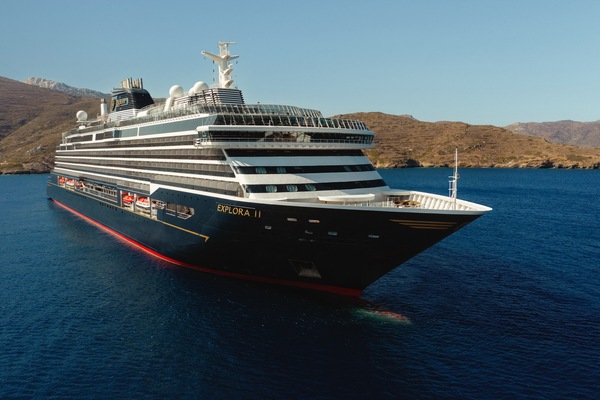
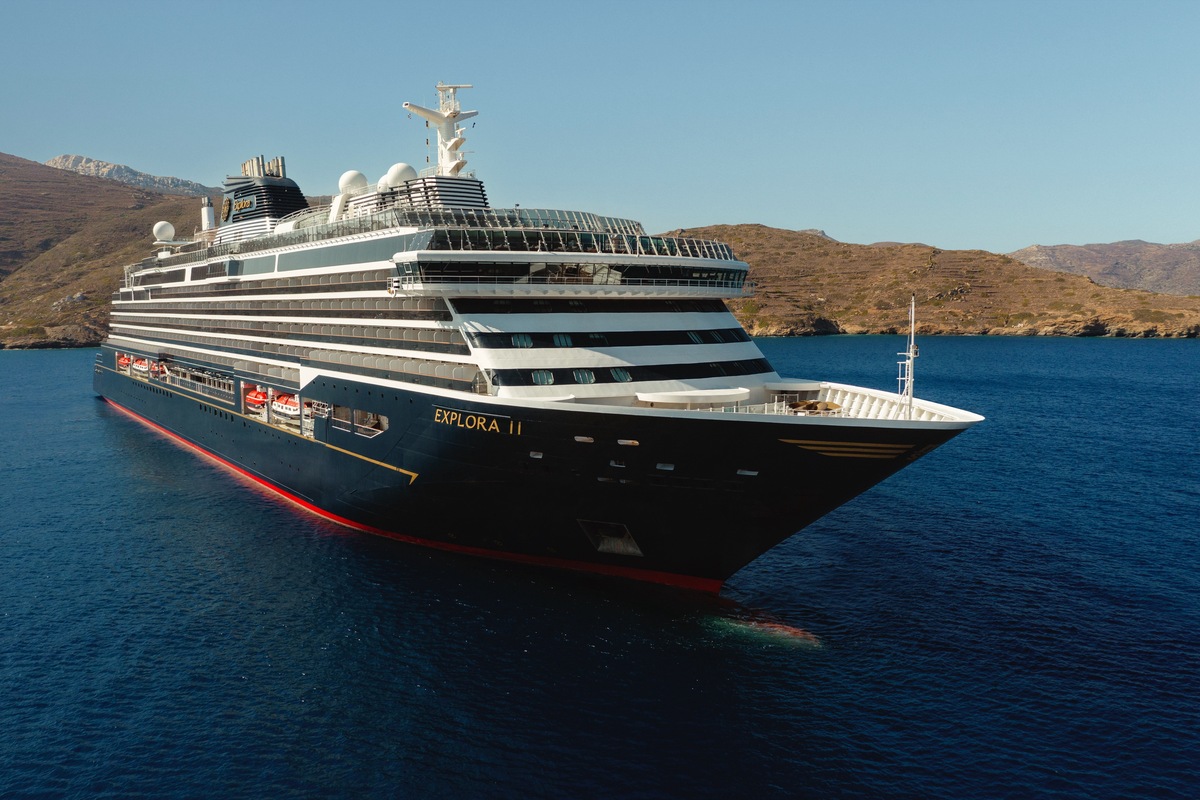
EXPLORA II
Discover EXPLORA II, a beautifully crafted haven, the epitome of vibrant, cosmopolitan European elegance – a floating home-away-from-home