An Extended Journey Across Stories, Shores & Changing Seasl
Cruise only — prices from Solo cruise only — from

Ports of Call & Itinerary
21-night voyage departing Fusina, arriving Piraeus.
Printable Itinerary (PDF)Route Map
An Extended Journey Across Stories, Shores & Changing Seasl
18 ports plotted · click a marker for details
Day 1
Fusina , Italy
Thursday, 29/10/2026
Day 2
Zadar , Croatia
Friday, 30/10/2026
Dalmatia's capital for more than 1,000 years, Zadar is all too often passed over by travelers on their way to Split or Dubrovnik. What they miss out on is a city of more than 73,000 that is remarkably lovely and lively despite—and, in some measure, because of—its tumultuous history. The Old Town, separated from the rest of the city on a peninsula some 4 km (2½ miles) long and just 1,640 feet wide, is bustling and beautiful: the marble pedestrian streets are replete with Roman ruins, medieval churches, palaces, museums, archives, and libraries. Parts of the new town are comparatively dreary, a testament to what a world war followed by decades of communism, not to mention a civil war, can do to the architecture of a city that is 3,000 years old. A settlement had already existed on the site of the present-day city for some 2,000 years when Rome finally conquered Zadar in the 1st century BC; the foundations of the forum can be seen today. Before the Romans came the Liburnians had made it a key center for trade with the Greeks and Romans for 800 years. In the 3rd century BC the Romans began to seriously pester the Liburnians, but required two centuries to bring the area under their control. During the Byzantine era, Zadar became the capital of Dalmatia, and this period saw the construction of its most famous church, the 9th-century St. Donat's Basilica. It remained the region's foremost city through the ensuing centuries. The city then experienced successive onslaughts and occupations—both long and short—by the Osogoths, the Croatian-Hungarian kings, the Venetians, the Turks, the Habsburgs, the French, the Habsburgs again, and finally the Italians before becoming part of Yugoslavia and, in 1991, the independent republic of Croatia. Zadar was for centuries an Italian-speaking city, and Italian is still spoken widely, especially by older people. Indeed, it was ceded to Italy in 1921 under the Treaty of Rapallo (and reverted to its Italian name of Zara). Its occupation by the Germans from 1943 led to intense bombing by the Allies during World War II, which left most of the city in ruins. Zadar became part of Tito's Yugoslavia in 1947, prompting many Italian residents to leave. Zadar's most recent ravages occurred during a three-month siege by Serb forces and months more of bombardment during the Croatian-Serbian war between 1991 and 1995. But you'd be hard-pressed to find outward signs of this today in what is a city to behold. There are helpful interpretive signs in English all around the Old Town, so you certainly won't feel lost when trying to make sense of the wide variety of architectural sites you might otherwise pass by with only a cursory look.
Day 3
Dubrovnik , Croatia
Saturday, 31/10/2026
Nothing can prepare you for your first sight of Dubrovnik. Lying 216 km (135 miles) southeast of Split and commanding a jaw-dropping coastal location, it is one of the world's most beautiful fortified cities. Its massive stone ramparts and fortress towers curve around a tiny harbor, enclosing graduated ridges of sun-bleached orange-tiled roofs, copper domes, and elegant bell towers. Your imagination will run wild picturing what it looked like seven centuries ago when the walls were built, without any suburbs or highways around it, just this magnificent stone city rising out of the sea.In the 7th century AD, residents of the Roman city Epidaurum (now Cavtat) fled the Avars and Slavs of the north and founded a new settlement on a small rocky island, which they named Laus, and later Ragusa. On the mainland hillside opposite the island, the Slav settlement called Dubrovnik grew up. In the 12th century the narrow channel separating the two settlements was filled in (now the main street through the Old Town, called Stradun), and Ragusa and Dubrovnik became one. The city was surrounded by defensive walls during the 13th century, and these were reinforced with towers and bastions in the late 15th century.From 1358 to 1808 the city thrived as a powerful and remarkably sophisticated independent republic, reaching its golden age during the 16th century. In 1667 many of its splendid Gothic and Renaissance buildings were destroyed by an earthquake. The defensive walls survived the disaster, and the city was rebuilt in baroque style.Dubrovnik lost its independence to Napoléon in 1808, and in 1815 passed to Austria-Hungary. During the 20th century, as part of Yugoslavia, the city became a popular tourist destination, and in 1979 it was listed as a UNESCO World Heritage Site. During the war for independence, it came under heavy siege. Thanks to careful restoration, few traces of damage remain; however, there are maps inside the Pile and Ploče Gates illustrating the points around the city where damage was done. It’s only when you experience Dubrovnik yourself that you can understand what a treasure the world nearly lost

Day 4
Corfu , Greece
Sunday, 01/11/2026
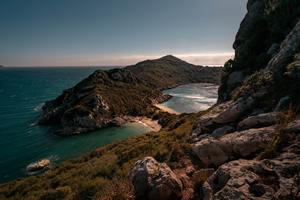
Corfu town today is a vivid tapestry of cultures—a sophisticated weave, where charm, history, and natural beauty blend. Located about midway along the island's east coast, this spectacularly lively capital is the cultural heart of Corfu and has a remarkable historic center that UNESCO designated as a World Heritage Site in 2007. All ships and planes dock or land near Corfu town, which occupies a small peninsula jutting into the Ionian Sea.Whether arriving by ferry from mainland Greece or Italy, from another island, or directly by plane, catch your breath by first relaxing with a coffee or a gelato in Corfu town's shaded Liston Arcade, then stroll the narrow lanes of its pedestrians-only quarter. For an overview of the immediate area, and a quick tour of Mon Repos palace, hop on the little tourist train that runs from May to September. Corfu town has a different feel at night, so book a table at one of its famed tavernas to savor the island's unique cuisine.The best way to get around Corfu town is on foot. The town is small enough so that you can easily walk to every sight. There are local buses, but they do not thread their way into the streets (many now car-free) of the historic center. If you are arriving by ferry or plane, it's best to take a taxi to your hotel. Expect to pay about €10 from the airport or ferry terminal to a hotel in Corfu town. If there are no taxis waiting, you can call for one.
Day 6
Vólos , Greece
Tuesday, 03/11/2026
Day 7
Thessaloníki , Greece
Wednesday, 04/11/2026
Day 9
Mykonos , Greece
Friday, 06/11/2026
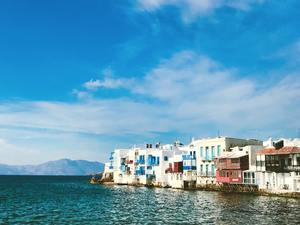
If you start early, you’ll have Mykonos to yourself. Stroll narrow streets famous for Cycladic architecture and getting lost; white-washed cubed buildings, alluring boutiques, orthodox churches and traditional windmills. Join glitterati guests at elegant events on iconic beaches, sink into saltwater pools, tour vineyards and dance at bars where beats evolve in tempo (and volume). When the heat of the day dies down, drop into the sacred isle of Delos to explore remarkable ruins; amphitheatres, temples, public squares, marketplaces and shrines to Greek Gods. Take a table in central Chora for perfectly-cooked, local dishes with generous views; mounds of flaky filo, Greek salads, halloumi and sea urchin, washed down with freddo. When the sun sets, head for a signature sundowner with views across the ocean. After dark, follow the fun to legendary bars and clubs. Progressive and profoundly beautiful.
Day 10
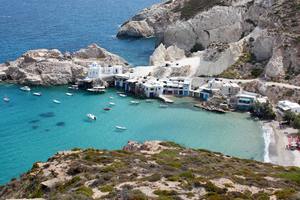
Milos , Greece
Saturday, 07/11/2026
Milos or Melos is a volcanic Greek island in the Aegean Sea, just north of the Sea of Crete. Milos is the southwesternmost island in the Cyclades group. The Venus de Milo and the Asclepius of Milos were both found on the island, as were a Poseidon and an archaic Apollo now in Athens.
Day 11
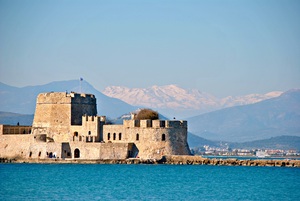
Náfplion , Greece
Sunday, 08/11/2026
Oraia (beautiful) is the word Greeks use to describe Nafplion. The town's old section, on a peninsula jutting into the gulf of Argos, mixes Greek, Venetian, and Turkish architecture; narrow streets, often just broad flights of stone stairs, climb the slopes beneath the walls of Acronafplia. Tree-shaded plazas surround neoclassic buildings. The Palamidi fortress—an elegant display of Venetian might from the early 1700s—guards the town. Nafplion deserves at least a leisurely day of your undivided attention, and you may want to spend several days or a week here and use the city as the base from which to explore the many surrounding ancient sights.
Day 12
Piraeus , Greece
Monday, 09/11/2026
Athenians don’t live in the past. Ahead of its time, Athens exudes glamour and a sense of possibility - housing galleries, gelaterias, bijoux boutiques alongside a plethora of museums. And you can’t help but marvel at the archaeological wonders of the Acropolis and the Parthenon. Stroll through vibrant streets and markets, dance at buzzing bouzoukia, sing along in tavernas. At night, head to the harbour, where dimly lit bars serve the local ice cold beer. And, as you inhale the salty air and watch Greek fishing boats peacefully depart for their catch, reflect on this ancient city's progressive attitude.

Day 13
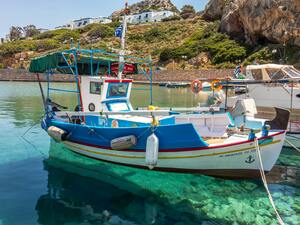
Ermoupoli, Syra , Greece
Tuesday, 10/11/2026
Syros is an island in the Aegean Sea, 78 miles (125 kilometres) southeast of Athens, and the administrative, commercial, intellectual and cultural centre of the Cyclades. Syros is 32 square miles (82.8 square kilometres) in area. Its largest towns are Ermoupoli, the capital of the island and Cyclades, Ano Syros and Vari. Although Syros belongs to the Cyclades islands, its architecture is more medieval than Cycladic. The beaches of Syros are especially inviting, and surrounded by many tourist facilities and accommodations.
Day 14
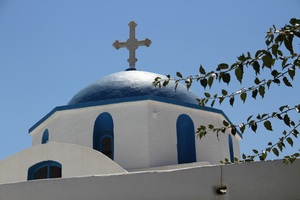
Páros , Greece
Wednesday, 11/11/2026
Day 16
Argostoli , Greece
Friday, 13/11/2026
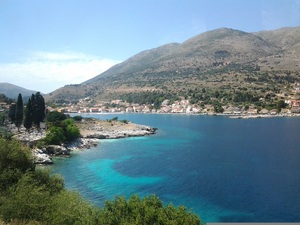
Ground literally to ashes in World War II and wracked by a massive earthquake a decade later, the capital of Kefalonia once more shows pride in its native spirit and natural beauty. The vast harbor on Argostoli’s east side makes an especially attractive port for cruise ships full of visitors who never seem to tire of strolling the cobbled seaside promenade, sipping ouzos in cafés, and stocking up on the succulent Mediterranean fruits in the outdoor markets.
Day 17
Kotor , Montenegro
Saturday, 14/11/2026
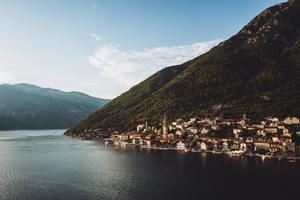
Backed by imposing mountains, tiny Kotor lies hidden from the open sea, tucked into the deepest channel of the Bokor Kotorska (Kotor Bay), which is Europe's most southerly fjord. To many, this town is more charming than its sister UNESCO World Heritage Site, Dubrovnik, retaining more authenticity, but with fewer tourists and spared the war damage and subsequent rebuilding which has given Dubrovnik something of a Disney feel.Kotor's medieval Stari Grad (Old Town) is enclosed within well-preserved defensive walls built between the 9th and 18th centuries and is presided over by a proud hilltop fortress. Within the walls, a labyrinth of winding cobbled streets leads through a series of splendid paved piazzas, rimmed by centuries-old stone buildings. The squares are now haunted by strains from buskers but although many now house trendy cafés and chic boutiques, directions are still given medieval-style by reference to the town’s landmark churches.In the Middle Ages, as Serbia's chief port, Kotor was an important economic and cultural center with its own highly regarded schools of stonemasonry and iconography. From 1391 to 1420 it was an independent city-republic and later, it spent periods under Venetian, Austrian, and French rule, though it was undoubtedly the Venetians who left the strongest impression on the city's architecture. Since the breakup of Yugoslavia, some 70% of the stone buildings in the romantic Old Town have been snapped up by foreigners, mostly Brits and Russians. Porto Montenegro, a new marina designed to accommodate some of the world’s largest super yachts, opened in nearby Tivat in 2011, and along the bay are other charming seaside villages, all with better views of the bay than the vista from Kotor itself where the waterside is congested with cruise ships and yachts. Try sleepy Muo or the settlement of Prčanj in one direction around the bay, or Perast and the Roman mosaics of Risan in the other direction.
Day 18
Bari , Italy
Sunday, 15/11/2026
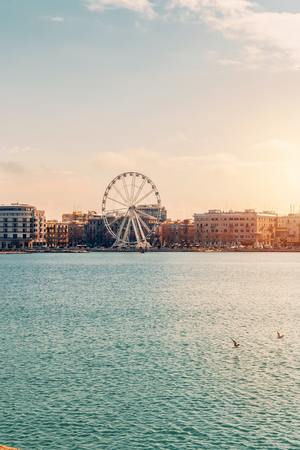
Bari, capital of the province of Apulia, lies on southern Italy's Adriatic coast. Its busy port is a leading commercial and industrial centre as well as a transit point for travellers catching ferries across the Adriatic to Greece. Bari comprises a new and an old town. To the north, on a promontory between the old and new harbours, lies the picturesque old town, or Citta Vecchia, with a maze of narrow, crooked streets. To the south is the spacious and regularly planned new town, which has developed considerably since 1930, when the Levant Fair was first held here. The heart of the modern town is Piazza della Liberta. The busy thoroughfare, Corso Vittorio Emanuele II, separates the new town from the old. At the eastern end of the Corso begins the Lungomare Nazario Sauro, a magnificent seafront promenade that runs along the old harbour. Bari and the Apulian region were long recognized for their strategic location, attracting a succession of colonizers such as the Normans, Moors and Spaniards, each leaving their mark.
Day 19
Sarandë , Albania
Monday, 16/11/2026
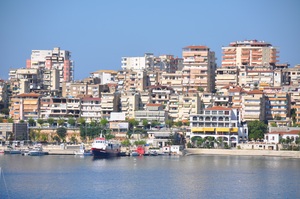
Sarandë is a city in southern Albania on the coast of the Ionian Sea. Sarandë can be reached easily from the Greek island of Corfu by ferry. An early Christian monastery dedicated to 40 saints (Santi Quaranta) gave Sarandë its name. The city center of Sarandë has been scarred by communist architecture but since the fall of communism many small shops and bars have sprung up which give it a Mediterranean feel. This southernmost harbour of Albania was once the ancient port of Onchesmos. Today, Sarandë’s main attractions are its sunny climate and the nearby ruins of Butrint. Please Note: For your convenience, shore excursions offered for this port of call are available to reserve in advance at www.silversea.com, unless otherwise noted in the description. The deadline to reserve these tours is August 19, after which they will be available for purchase on board, unless otherwise noted in the description. Pier Information The ship is scheduled to anchor at Main Pier. The town center is 875 yards from the pier. Taxis are generally available at the pier. Shopping Typical souvenirs include t-shirts, postcards, wood carvings and dolls in national costume. Cuisine Albanian cuisine has been strongly influenced by Turkey. Grilled meats like shisqubap (shish kebab), romstek (minced meat patties) and gofte (meat balls) are served all across the Balkans. Some local dishes include comlek (meat and onion stew), fërges (a rich beef stew), rosto me salcë kosi (roast beef with sour cream) and tavë kosi (mutton with yoghurt. Lake Shkodra carp and Lake Ohrid trout are the most common fish dishes. Try the ice cream (akullore), which is popular everywhere. Other Sites Blue Eye Spring The iridescent blue water gushes from the depths of the earth and feeds the Bistrica River. Catacombs Recently discovered catacombs of the church of the Forty Saints can also be explored. Private arrangements for independent sightseeing may be requested through the Tour Office on board.
Day 21
Santorini , Greece
Wednesday, 18/11/2026
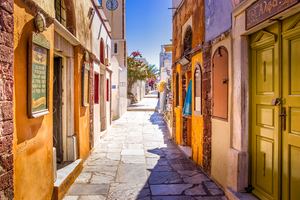
Dreamily sail into Santorini when others leave. Romantic, exuberant and pure; roam one of the world’s most enchanting islands as you enjoy breathtaking scenery, rock-set whitewashed houses, paved paths, sugar white sand, black beaches and terracotta cliffs. Experience the many geological and architectural delights; blue-domed churches, an active volcano, excavate with experts and cover the caldera between cliff-hanging Oia and Fira. Glide through sapphire seas in a catamaran, taste local wine, eat freshly-caught seafood, break plates and shop elegant boutiques. Then settle in for a slow moonlit dinner high on a hilltop, just in time for the world-famous sunset.
Day 22
Piraeus , Greece
Thursday, 19/11/2026
Athenians don’t live in the past. Ahead of its time, Athens exudes glamour and a sense of possibility - housing galleries, gelaterias, bijoux boutiques alongside a plethora of museums. And you can’t help but marvel at the archaeological wonders of the Acropolis and the Parthenon. Stroll through vibrant streets and markets, dance at buzzing bouzoukia, sing along in tavernas. At night, head to the harbour, where dimly lit bars serve the local ice cold beer. And, as you inhale the salty air and watch Greek fishing boats peacefully depart for their catch, reflect on this ancient city's progressive attitude.
Room Type & Prices
All prices per person based on double occupancy. Solo traveller prices — single occupancy. Contact our cruise experts for the latest availability and best fares.
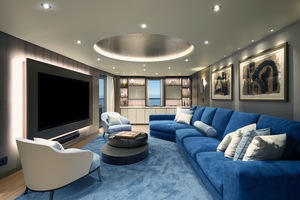
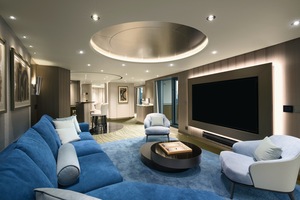
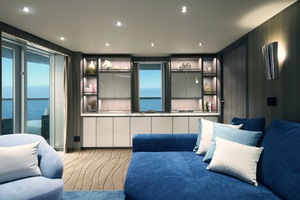
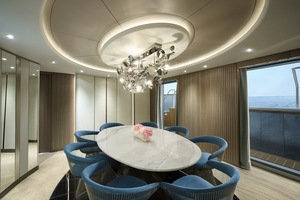
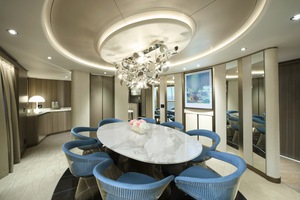
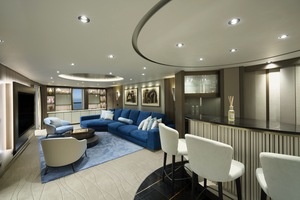
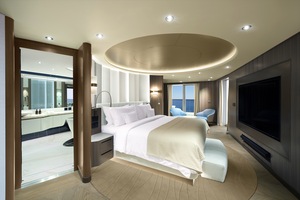
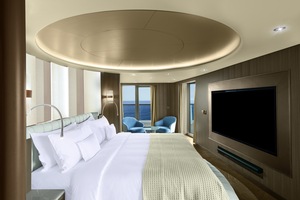
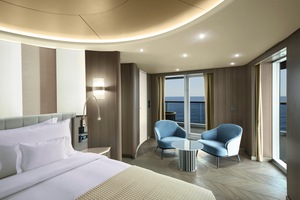
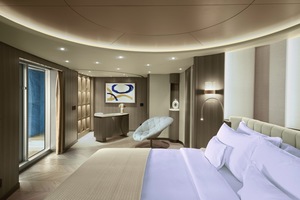
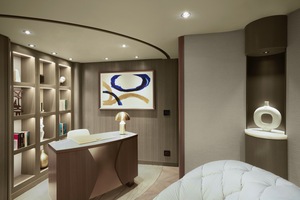
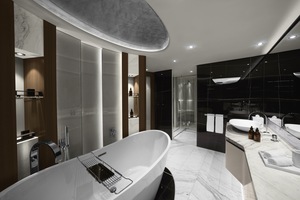
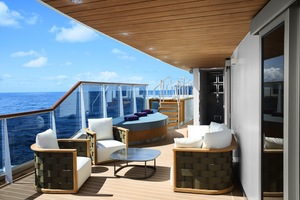
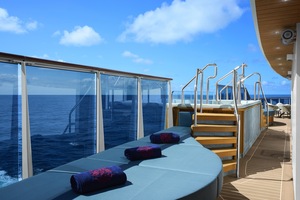
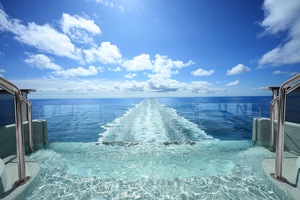
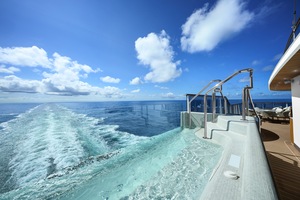
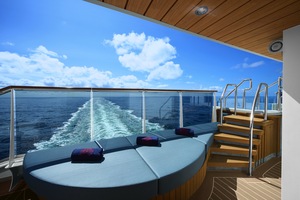
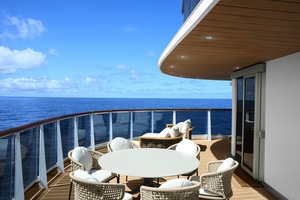
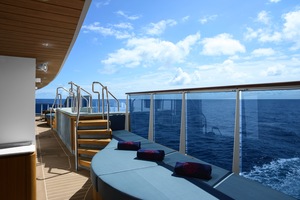
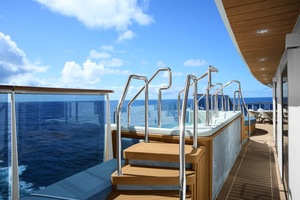
Owner's Residence
3014 sqft · Up to 4 guests
More Departures
10 nights
A Journey Through Greece’s Icons to Italy’s Hidden Coastlines
19/10/2026
From
£4,930
21 nights
An Extended Journey of Returning Tides & New Shores
19/10/2026
From
£11,135
11 nights
A Journey of Beguiling Landscapes & Enchanting Mediterranean Delights
21/10/2026
From
£4,875
27 nights
A Grand Journey of Colourful Moroccan Shores & Idyllic Caribbean Scenery
21/10/2026
From
£10,950
8 nights
A Journey Through Moroccan Shores and Andalusian Spirit
24/10/2026
From
£4,590
14 nights
An Extended Journey of Maritime Soul & Island Zest
25/10/2026
From
£14,800
Your Ship
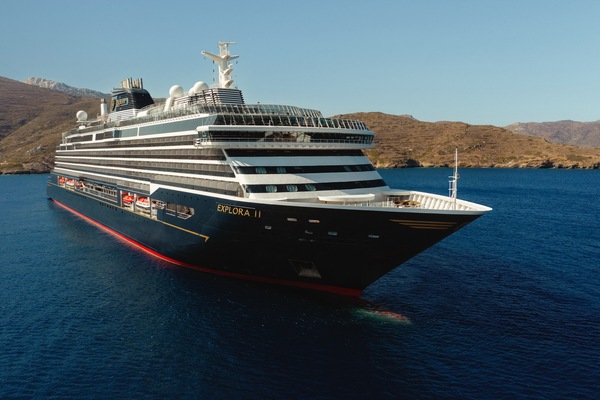
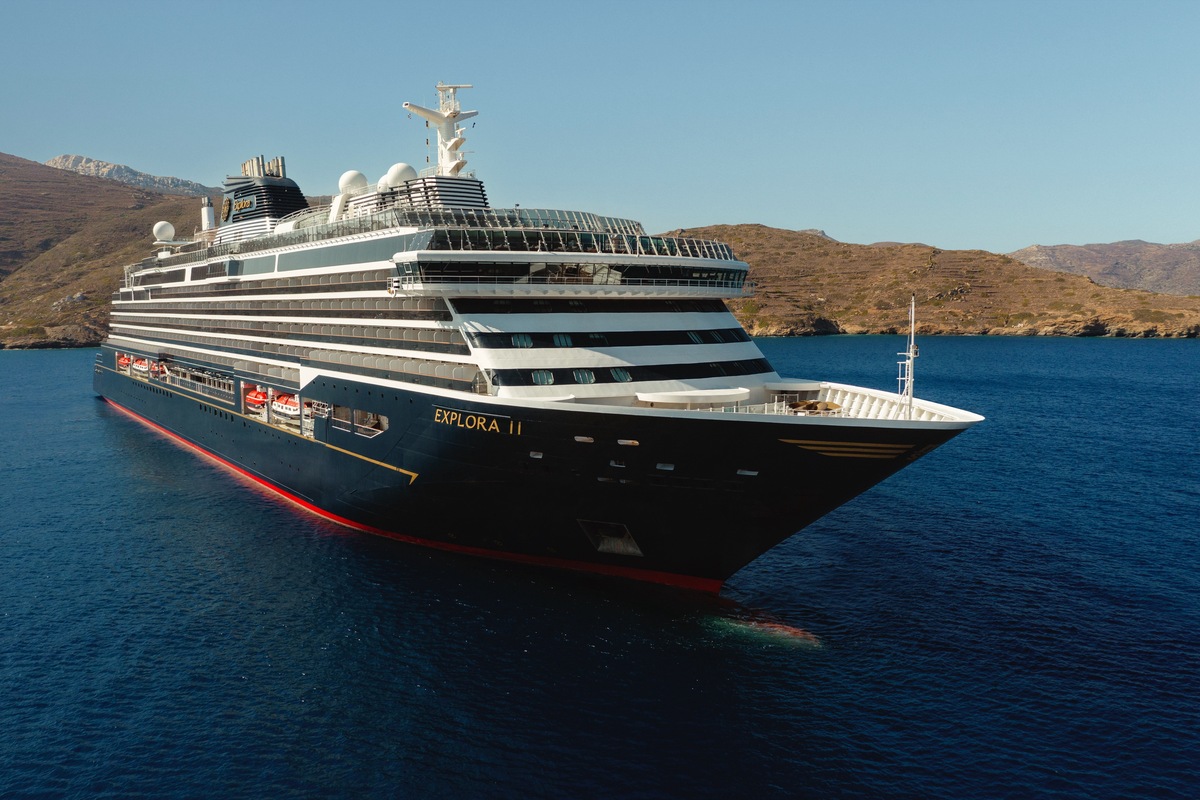
EXPLORA II
Discover EXPLORA II, a beautifully crafted haven, the epitome of vibrant, cosmopolitan European elegance – a floating home-away-from-home