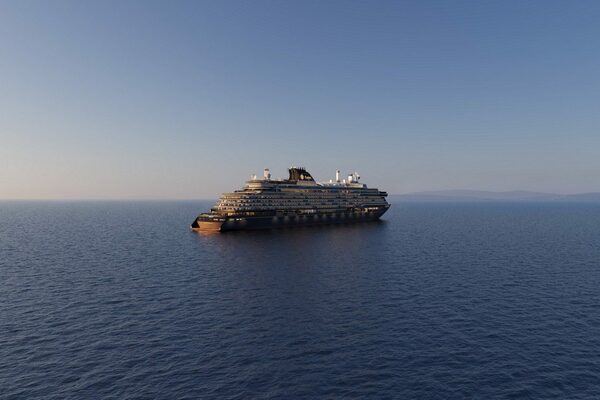
An Extended Journey from Adriatic Legends to Iberian Artistic Splendour
Cruise only — prices from Solo cruise only — from

Ports of Call & Itinerary
14-night voyage departing Fusina, arriving Barcelona.
Printable Itinerary (PDF)Route Map
An Extended Journey from Adriatic Legends to Iberian Artistic Splendour
13 ports plotted · click a marker for details
Day 1
Fusina , Italy
Monday, 09/04/2029
Day 2
Split , Croatia
Tuesday, 10/04/2029
Split's ancient core is so spectacular and unusual that a visit is more than worth your time. The heart of the city lies within the walls of Roman emperor Diocletian's retirement palace, which was built in the 3rd century AD. Diocletian, born in the nearby Roman settlement of Salona in AD 245, achieved a brilliant career as a soldier and became emperor at the age of 40. In 295 he ordered this vast palace to be built in his native Dalmatia, and when it was completed he stepped down from the throne and retired to his beloved homeland. Upon his death, he was laid to rest in an octagonal mausoleum, around which Split's magnificent cathedral was built.In 615, when Salona was sacked by barbarian tribes, those fortunate enough to escape found refuge within the stout palace walls and divided up the vast imperial apartments into more modest living quarters. Thus, the palace developed into an urban center, and by the 11th century the settlement had expanded beyond the ancient walls.Under the rule of Venice (1420–1797), Split—as a gateway to the Balkan interior—became one of the Adriatic's main trading ports, and the city's splendid Renaissance palaces bear witness to the affluence of those times. When the Habsburgs took control during the 19th century, an overland connection to Central Europe was established by the construction of the Split–Zagreb–Vienna railway line.After World War II, the Tito years saw a period of rapid urban expansion: industrialization accelerated and the suburbs extended to accommodate high-rise apartment blocks. Today the historic center of Split is included on UNESCO's list of World Heritage Sites.
Day 3
Kotor , Montenegro
Wednesday, 11/04/2029
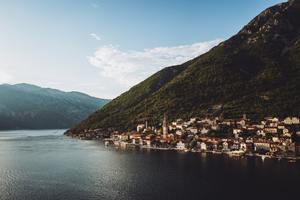
Backed by imposing mountains, tiny Kotor lies hidden from the open sea, tucked into the deepest channel of the Bokor Kotorska (Kotor Bay), which is Europe's most southerly fjord. To many, this town is more charming than its sister UNESCO World Heritage Site, Dubrovnik, retaining more authenticity, but with fewer tourists and spared the war damage and subsequent rebuilding which has given Dubrovnik something of a Disney feel.Kotor's medieval Stari Grad (Old Town) is enclosed within well-preserved defensive walls built between the 9th and 18th centuries and is presided over by a proud hilltop fortress. Within the walls, a labyrinth of winding cobbled streets leads through a series of splendid paved piazzas, rimmed by centuries-old stone buildings. The squares are now haunted by strains from buskers but although many now house trendy cafés and chic boutiques, directions are still given medieval-style by reference to the town’s landmark churches.In the Middle Ages, as Serbia's chief port, Kotor was an important economic and cultural center with its own highly regarded schools of stonemasonry and iconography. From 1391 to 1420 it was an independent city-republic and later, it spent periods under Venetian, Austrian, and French rule, though it was undoubtedly the Venetians who left the strongest impression on the city's architecture. Since the breakup of Yugoslavia, some 70% of the stone buildings in the romantic Old Town have been snapped up by foreigners, mostly Brits and Russians. Porto Montenegro, a new marina designed to accommodate some of the world’s largest super yachts, opened in nearby Tivat in 2011, and along the bay are other charming seaside villages, all with better views of the bay than the vista from Kotor itself where the waterside is congested with cruise ships and yachts. Try sleepy Muo or the settlement of Prčanj in one direction around the bay, or Perast and the Roman mosaics of Risan in the other direction.
Day 4
Corfu , Greece
Thursday, 12/04/2029
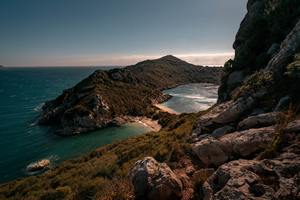
Corfu town today is a vivid tapestry of cultures—a sophisticated weave, where charm, history, and natural beauty blend. Located about midway along the island's east coast, this spectacularly lively capital is the cultural heart of Corfu and has a remarkable historic center that UNESCO designated as a World Heritage Site in 2007. All ships and planes dock or land near Corfu town, which occupies a small peninsula jutting into the Ionian Sea.Whether arriving by ferry from mainland Greece or Italy, from another island, or directly by plane, catch your breath by first relaxing with a coffee or a gelato in Corfu town's shaded Liston Arcade, then stroll the narrow lanes of its pedestrians-only quarter. For an overview of the immediate area, and a quick tour of Mon Repos palace, hop on the little tourist train that runs from May to September. Corfu town has a different feel at night, so book a table at one of its famed tavernas to savor the island's unique cuisine.The best way to get around Corfu town is on foot. The town is small enough so that you can easily walk to every sight. There are local buses, but they do not thread their way into the streets (many now car-free) of the historic center. If you are arriving by ferry or plane, it's best to take a taxi to your hotel. Expect to pay about €10 from the airport or ferry terminal to a hotel in Corfu town. If there are no taxis waiting, you can call for one.
Day 6
Siracuse, Sicily , Italy
Saturday, 14/04/2029
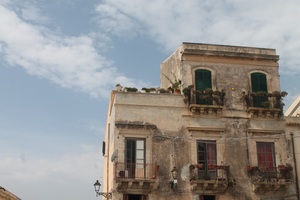
Siracusa, known to English speakers as Syracuse, is a wonder to behold. One of the great ancient capitals of Western civilization, the city was founded in 734 BC by Greek colonists from Corinth and soon grew to rival, and even surpass, Athens in splendor and power. It became the largest, wealthiest city-state in the West and a bulwark of Greek civilization. Although Siracusa lived under tyranny, rulers such as Dionysius filled their courts with Greeks of the highest cultural stature—among them the playwrights Aeschylus and Euripides, and the philosopher Plato. The Athenians, who didn't welcome Siracusa's rise, set out to conquer Sicily, but the natives outsmarted them in what was one of the greatest military campaigns in ancient history (413 BC). The city continued to prosper until it was conquered two centuries later by the Romans.Present-day Siracusa still has some of the finest examples of Baroque art and architecture; dramatic Greek and Roman ruins; and a Duomo that's the stuff of legend—a microcosm of the city's entire history in one building. The modern city also has a wonderful, lively, Baroque old town worthy of extensive exploration, as well as pleasant piazzas, outdoor cafés and bars, and a wide assortment of excellent seafood. There are essentially two areas to explore in Siracusa: the Parco Archeologico (Archaeological Zone), on the mainland; and the island of Ortygia, the ancient city first inhabited by the Greeks, which juts out into the Ionian Sea and is connected to the mainland by two small bridges. Ortygia is becoming increasingly popular with tourists, and is starting to lose its old-fashioned charm in favor of modern boutiques.Siracusa's old nucleus of Ortygia, a compact area, is a pleasure to amble around without getting unduly tired. In contrast, mainland Siracusa is a grid of wider avenues. At the northern end of Corso Gelone, above Viale Paolo Orsi, the orderly grid gives way to the ancient quarter of Neapolis, where the sprawling Parco Archeologico is accessible from Viale Teracati (an extension of Corso Gelone). East of Viale Teracati, about a 10-minute walk from the Parco Archeologico, the district of Tyche holds the archaeological museum and the church and catacombs of San Giovanni, both off Viale Teocrito (drive or take a taxi or city bus from Ortygia). Coming from the train station, it's a 15-minute trudge to Ortygia along Via Francesco Crispi and Corso Umberto. If you're not up for that, take one of the free electric buses leaving every 10 minutes from the bus station around the corner.
Day 7
Amalfi , Italy
Sunday, 15/04/2029
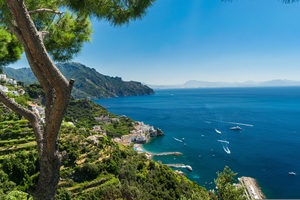
At first glance, it's hard to imagine that this resort destination was one of the world's great naval powers, and a sturdy rival of Genoa and Pisa for control of the Mediterranean in the 11th and 12th centuries. Once the seat of the Amalfi Maritime Republic, the town is set in a verdant valley of the Lattari Mountains, with cream-colored and pastel-hued buildings tightly packing a gorge on the Bay of Salerno. The harbor, which once launched the greatest fleet in Italy, now bobs with ferries and blue-and-white fishing boats. The main street, lined with shops and pasticcerie, has replaced a raging mountain torrent, and terraced hills flaunt the green and gold of lemon groves. Bearing testimony to its great trade with Tunis, Tripoli, and Algiers, Amalfi remains honeycombed with Arab-Sicilian cloisters and covered passages. In a way Amalfi has become great again, showing off its medieval glory days with sea pageants, convents-turned-hotels, ancient paper mills, covered streets, and its glimmering cathedral.
Day 8
Civitavecchia , Italy
Monday, 16/04/2029
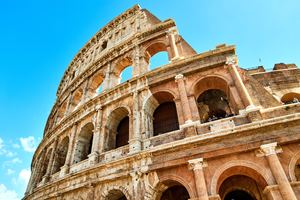
Italy's vibrant capital lives in the present, but no other city on earth evokes its past so powerfully. For over 2,500 years, emperors, popes, artists, and common citizens have left their mark here. Archaeological remains from ancient Rome, art-stuffed churches, and the treasures of Vatican City vie for your attention, but Rome is also a wonderful place to practice the Italian-perfected il dolce far niente, the sweet art of idleness. Your most memorable experiences may include sitting at a caffè in the Campo de' Fiori or strolling in a beguiling piazza.
Day 9
Livorno , Italy
Tuesday, 17/04/2029
Livorno is a gritty city with a long and interesting history. In the early Middle Ages it alternately belonged to Pisa and Genoa. In 1421 Florence, seeking access to the sea, bought it. Cosimo I (1519–74) started construction of the harbor in 1571, putting Livorno on the map. After Ferdinando I de' Medici (1549–1609) proclaimed Livorno a free city, it became a haven for people suffering from religious persecution; Roman Catholics from England and Jews and Moors from Spain and Portugal, among others, settled here. The Quattro Mori (Four Moors), also known as the Monument to Ferdinando I, commemorates this. (The statue of Ferdinando I dates from 1595, the bronze Moors by Pietro Tacca from the 1620s.)In the following centuries, and particularly in the 18th, Livorno boomed as a port. In the 19th century the town drew a host of famous Britons passing through on their grand tours. Its prominence continued up to World War II, when it was heavily bombed. Much of the town's architecture, therefore, postdates the war, and it's somewhat difficult to imagine what it might have looked like before. Livorno has recovered from the war, however, as it's become a huge point of departure for container ships, as well as the only spot in Tuscany for cruise ships to dock for the day.Most of Livorno's artistic treasures date from the 17th century and aren't all that interesting unless you dote on obscure baroque artists. Livorno's most famous native artist, Amedeo Modigliani (1884–1920), was of much more recent vintage. Sadly, there's no notable work by him in his hometown.There may not be much in the way of art, but it's still worth strolling around the city. The Mercato Nuovo, which has been around since 1894, sells all sorts of fruits, vegetables, grains, meat, and fish. Outdoor markets nearby are also chock-full of local color. The presence of Camp Darby, an American military base just outside town, accounts for the availability of many American products.If you have time, Livorno is worth a stop for lunch or dinner at the very least.
Day 10
Genoa , Italy
Wednesday, 18/04/2029
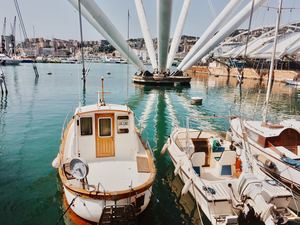
Genoa is a port city in the Northwest of Italy. Home to the Genoa Aquarium, famous for having the largest exposition of biodiversity in Europe, the city is also a great place to visit for anyone interested in architecture.
Day 11
Villefranche-sur-Mer , France
Thursday, 19/04/2029
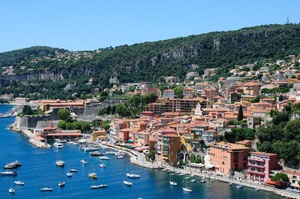
Villefranche-Sur-Mer is located on the Côte d’Azur in Provence – known for its fields of lavender and warm weather – and is highly appreciated for its 14th Century architecture.
Day 12
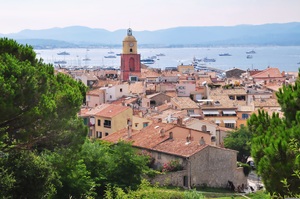
Saint-Tropez , France
Friday, 20/04/2029
Saunter into the sultry, sophisticated stretch of the French Riviera. Bardot and blonde beer shine bright in this playground of international glitterati. Bask in the Mediterranean sun, mingle with movie stars, admire the super yachts and enjoy champagne in effortlessly chic cocktail bars. Then slide away from the jet set to take in breathtaking landscapes and verdant hillsides, all the while feasting on the very best fresh local produce. After all the decadence and glamour that the Cote d'Azur delivers, we continue our journey to somewhere a little calmer.
Day 14
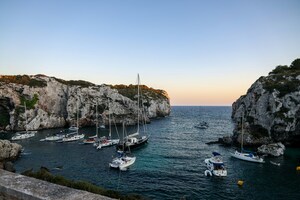
Mahón, Menorca , Spain
Sunday, 22/04/2029
The capital of Menorca since 1721, Mahon has a impressive natural deep water harbour, which is one of the largest in the world. This, coupled with its strategic location, has made it a stronghold for many nations throughout history. Mahon has an abundance of historical buildings, the oldest being the Arch of Saint Roc which is all that remains of the wall that once encircled the whole town. The island was occupied by the British during the 18th century and Lord Nelson is thought to have stayed there. Indeed, San Antoni Mansion, located on the north side of the harbour, houses a collection of Nelson memorabilia. The legacy of colonial rule can be seen in the muted Georgian style of some of the buildings, but Mahon still boasts attractive examples of neo-Classical, Baroque and Romanesque architecture. With narrow streets to explore, pleasant shaded squares and welcoming pavement cafés, there is something for everyone to enjoy. Please be aware that most shops in town close for a siesta between 1330 and 1730.
Day 15
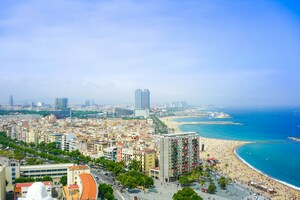
Barcelona , Spain
Monday, 23/04/2029
Breathe in the cultural heart of Catalan; an elegant blend of high energy and undisturbed tradition. Muse over the origins of captivating Gaudi architecture within the enchanting labyrinth that is the Gothic Quarter. Savour the flavours of fresh tapas and crisp cava in breezy plazas, tranquil terraces and coveted cafés, or glide down to a shimmering beach club to unwind. Imagine a visit to peaceful Passeig de Gracia, where modernist buildings merge to showcase iconic global labels. And, as dusk falls, prepare for urban action and swing by the lively bohemian bars to fiesta on the leafy stretch of La Rambla. If you’re serious about style, this colourful city provides plenty to celebrate.
Room Type & Prices
All prices per person based on double occupancy. Solo traveller prices — single occupancy. Contact our cruise experts for the latest availability and best fares.
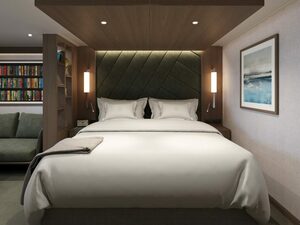
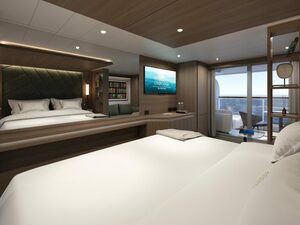
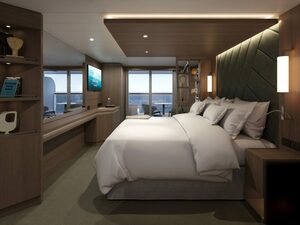
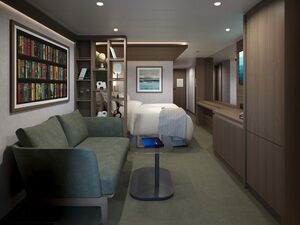
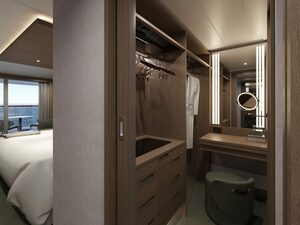
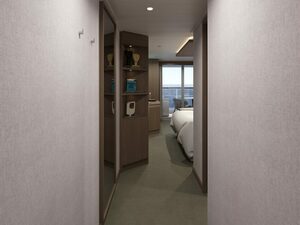
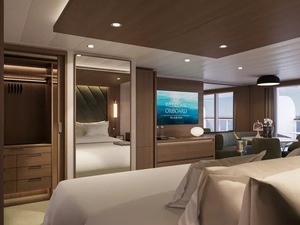
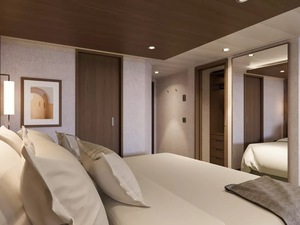
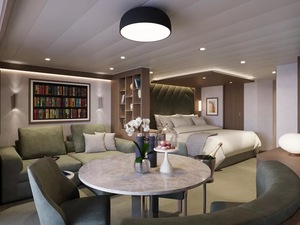
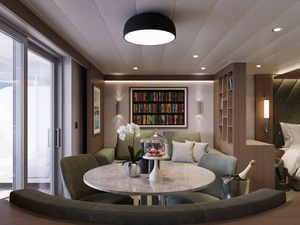
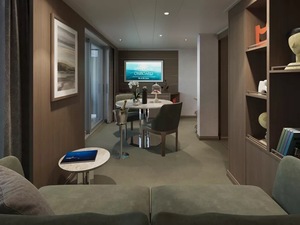
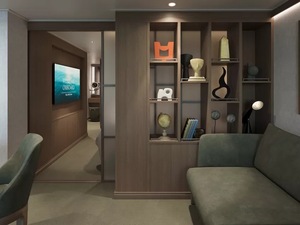
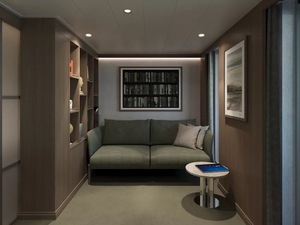
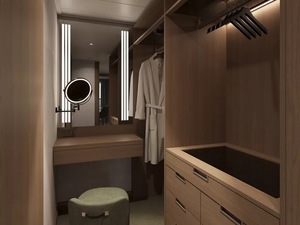
Ocean Terrace Suite
377–420 sqft · Up to 3 guests
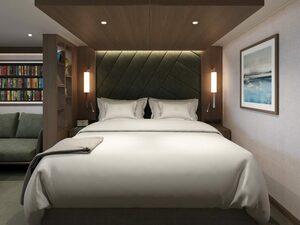
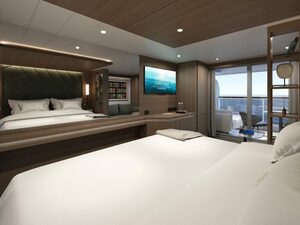
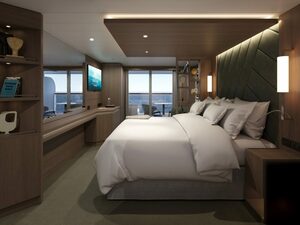
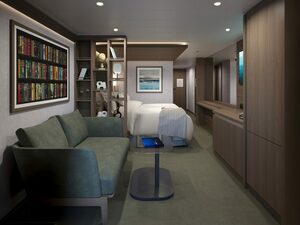
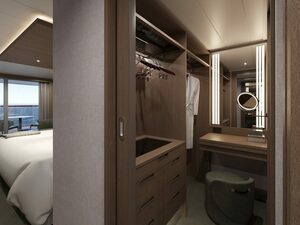
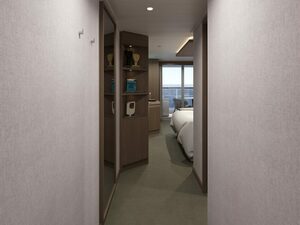
Ocean Grand Terrace Suite
377–420 sqft · Up to 3 guests
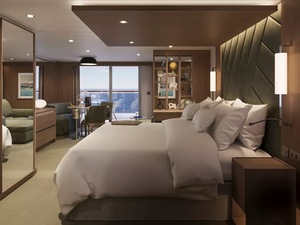
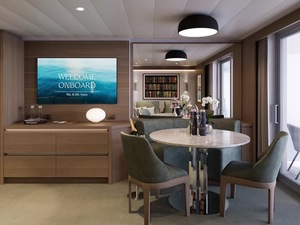
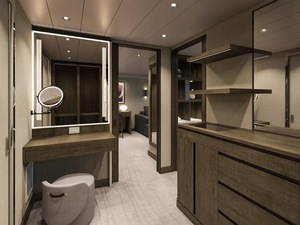
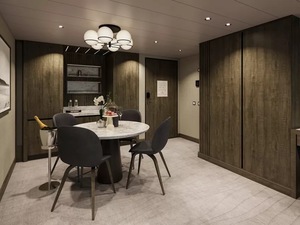
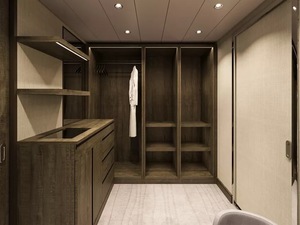
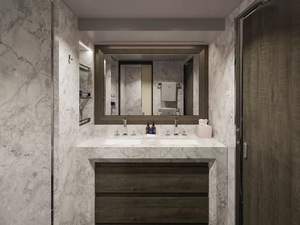
Penthouse
463–732 sqft · Up to 4 guests

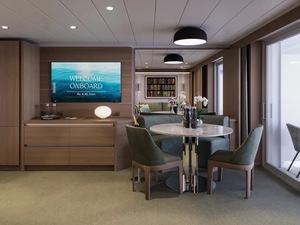
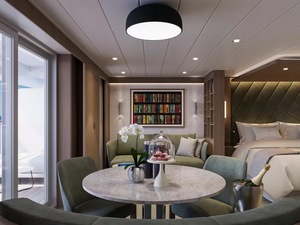
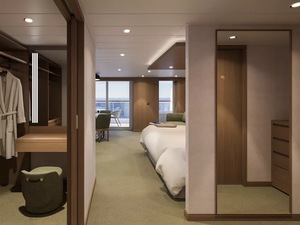
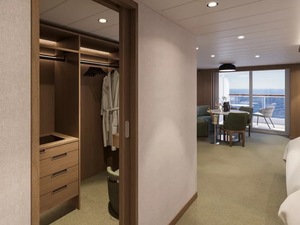
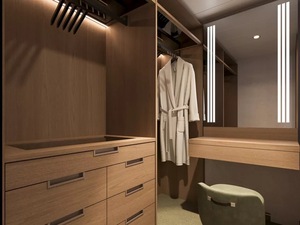
Deluxe Penthouse
463–732 sqft · Up to 4 guests

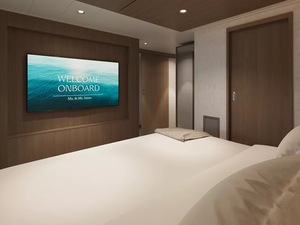
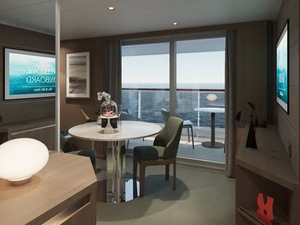
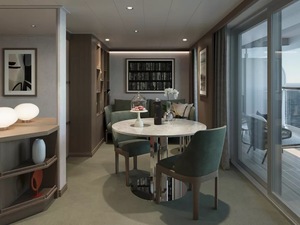
Premier Penthouse
463–732 sqft · Up to 4 guests
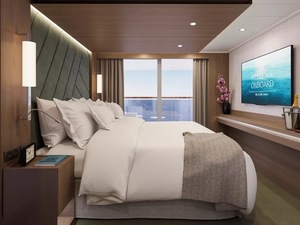
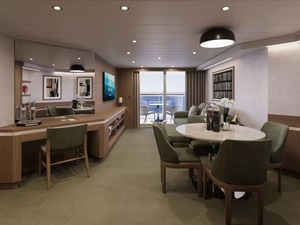
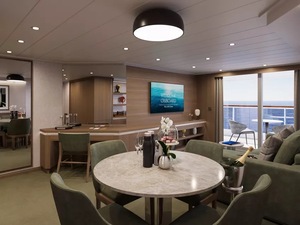
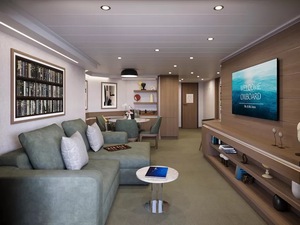
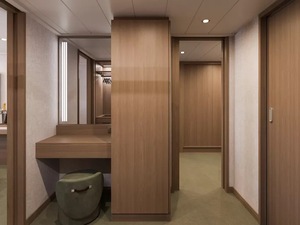
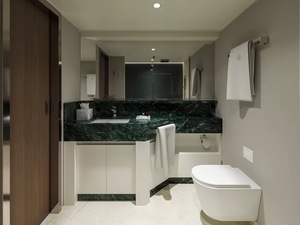
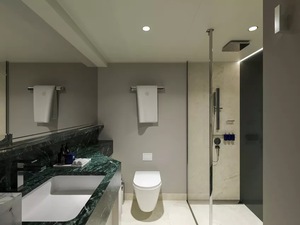
Grand Penthouses with Whirlpool
463–732 sqft · Up to 4 guests

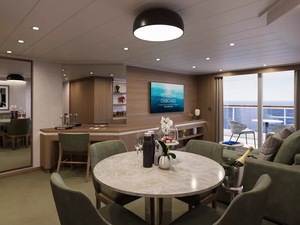
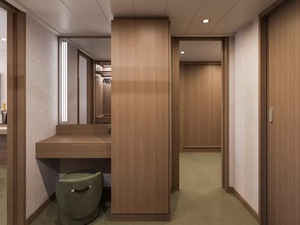
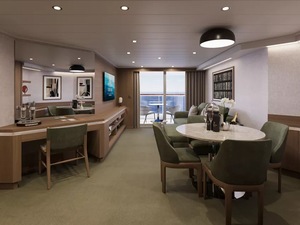
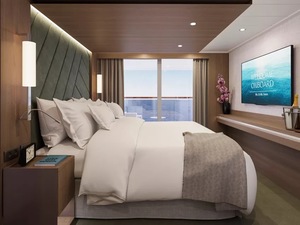
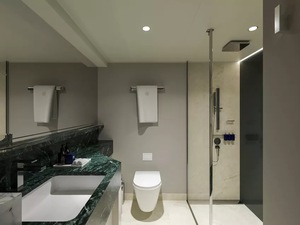
Grand Penthouse
463–732 sqft · Up to 4 guests
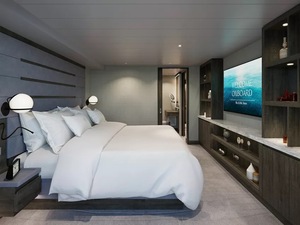
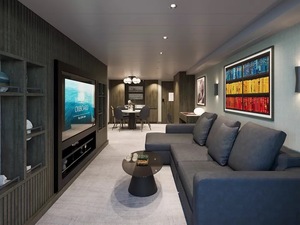
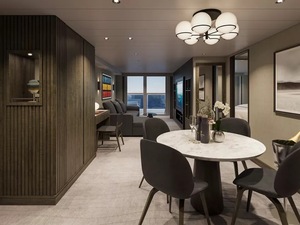
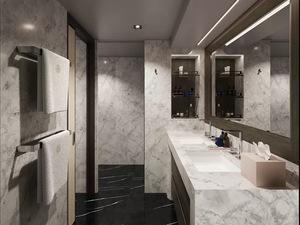
Cove Residence
753–1604 sqft · Up to 4 guests
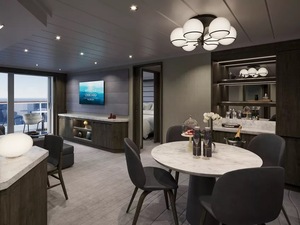
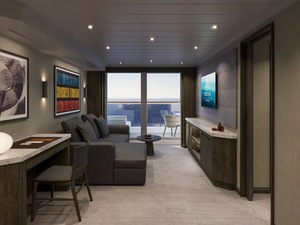
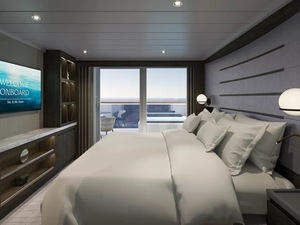
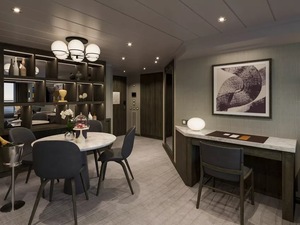
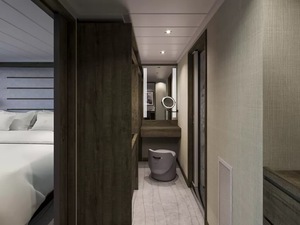
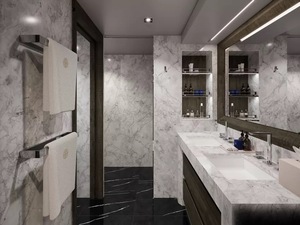
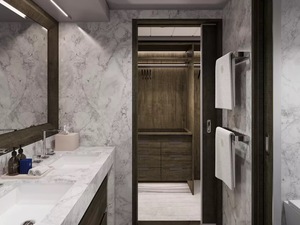
Cove Residence with Whirlpool
753–1604 sqft · Up to 2 guests
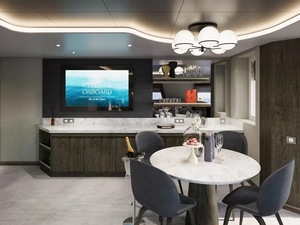
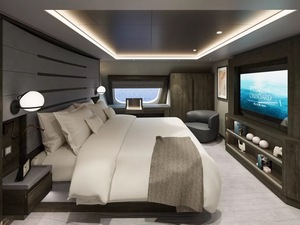
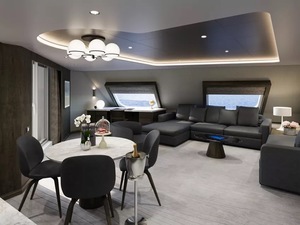
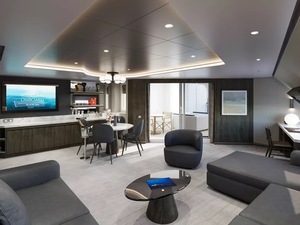
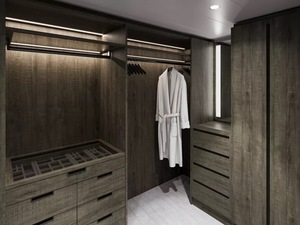
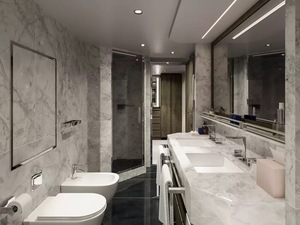
Retreat Residence
753–1604 sqft · Up to 4 guests


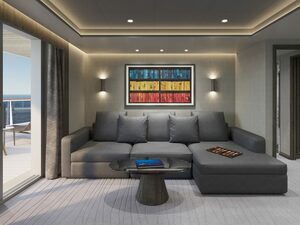
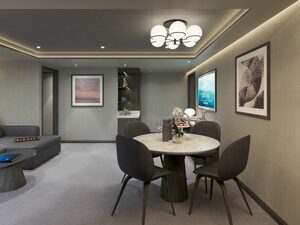
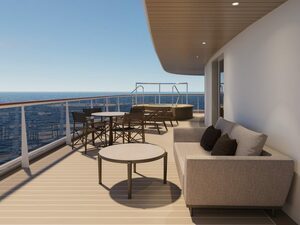
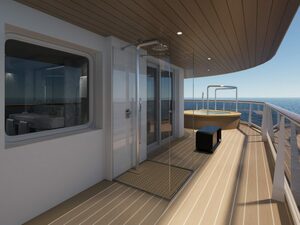
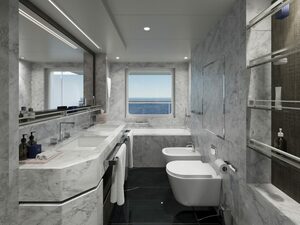


Serenity Residence
753–1601 sqft · Up to 4 guests

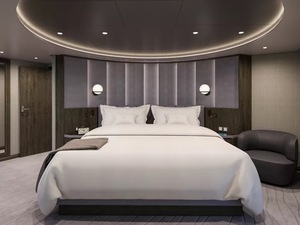
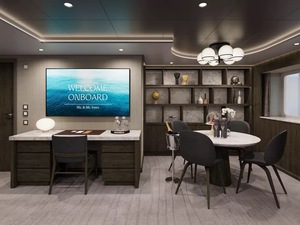
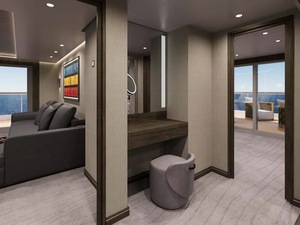
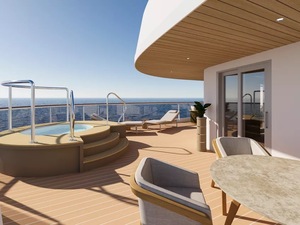
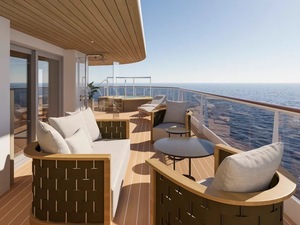
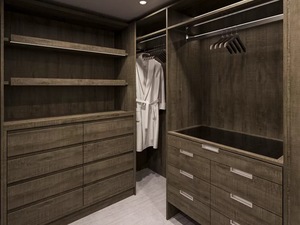
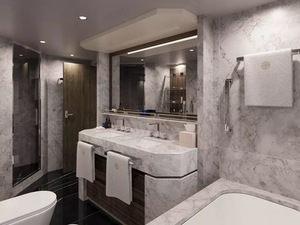
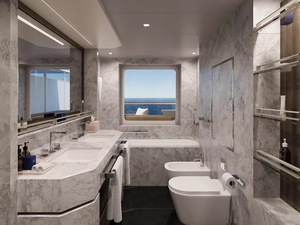
Cocoon Residence
753–1604 sqft · Up to 4 guests
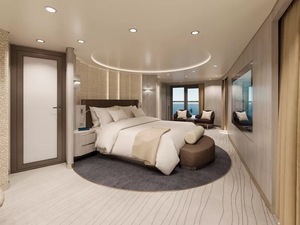
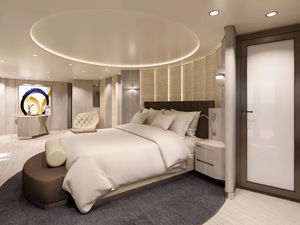
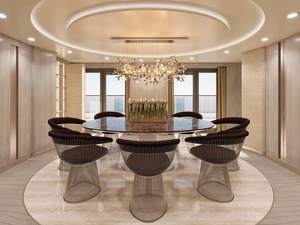
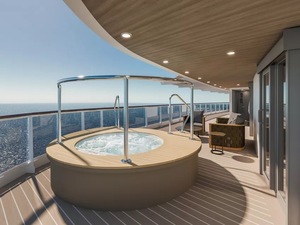
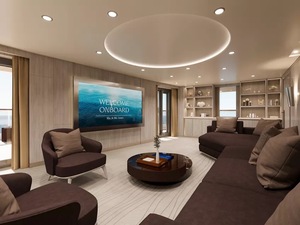
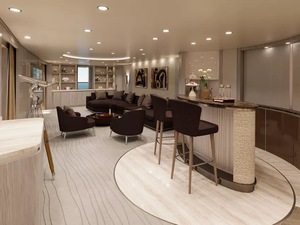
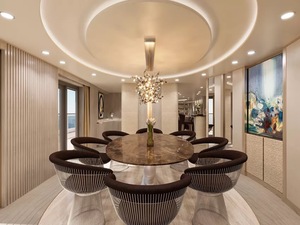
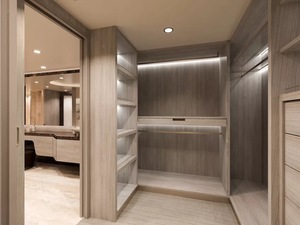
Owner's Residence
3014 sqft · Up to 4 guests
Suite
| Cabin | Grade | Per Person | Avail. | |
|---|---|---|---|---|
| Ocean Terrace Suite · 377–420 sqft | OT2 Ocean Terrace Suite OT2 | Enquire → | ||
| OT3 Ocean Terrace Suite OT3 | Enquire → | |||
| OT4 Ocean Terrace Suite OT4 | Enquire → | |||
| OT1 Ocean Terrace Suite OT1 | Enquire → | |||
| Ocean Grand Terrace Suite · 377–420 sqft | GT | Enquire → | ||
| Penthouse · 463–732 sqft | PH | Enquire → | ||
| Deluxe Penthouse · 463–732 sqft | DP | Enquire → | ||
| Premier Penthouse · 463–732 sqft | PP | Enquire → | ||
| Grand Penthouses with Whirlpool · 463–732 sqft | GPJ Grand Penthouse with Whirlpool | Enquire → | ||
| Grand Penthouse · 463–732 sqft | GP | Enquire → | ||
| Cove Residence · 753–1604 sqft | CO1 Cove Residence CO1 | Enquire → | ||
| Cove Residence with Whirlpool · 753–1604 sqft | COJ Cove Residence COJ | Enquire → | ||
| Retreat Residence · 753–1604 sqft | RR | Enquire → | ||
| Serenity Residence · 753–1601 sqft | SR | Enquire → | ||
| Cocoon Residence · 753–1604 sqft | CR | Enquire → | ||
| Owner's Residence · 3014 sqft | OR1 Owner's Residence OR1 | Enquire → | ||
| OR2 Owner's Residence OR2 | Enquire → |
Ocean Terrace Suite · 377–420 sqft
OT2 Ocean Terrace Suite OT2
Ocean Terrace Suite · 377–420 sqft
OT3 Ocean Terrace Suite OT3
Ocean Terrace Suite · 377–420 sqft
OT4 Ocean Terrace Suite OT4
Ocean Terrace Suite · 377–420 sqft
OT1 Ocean Terrace Suite OT1
Ocean Grand Terrace Suite · 377–420 sqft
GT
Penthouse · 463–732 sqft
PH
Deluxe Penthouse · 463–732 sqft
DP
Premier Penthouse · 463–732 sqft
PP
Grand Penthouses with Whirlpool · 463–732 sqft
GPJ Grand Penthouse with Whirlpool
Grand Penthouse · 463–732 sqft
GP
Cove Residence · 753–1604 sqft
CO1 Cove Residence CO1
Cove Residence with Whirlpool · 753–1604 sqft
COJ Cove Residence COJ
Retreat Residence · 753–1604 sqft
RR
Serenity Residence · 753–1601 sqft
SR
Cocoon Residence · 753–1604 sqft
CR
Owner's Residence · 3014 sqft
OR1 Owner's Residence OR1
Owner's Residence · 3014 sqft
OR2 Owner's Residence OR2
More Departures
10 nights
A Journey of Sapphire Seas & Stone Carved Shores
19/11/2026
From
£33,510
5 nights
A Journey Through Aegean Beauty and Adriatic Heritage
19/11/2026
From
£12,600
14 nights
An Extended Journey of Sunlit Horizons & Sapphire Bays
22/11/2026
From
£11,500
7 nights
A Journey of Caribbean Adventure & Shimmering Tropical Harmony
22/11/2026
From
£3,360
5 nights
A Journey from Apulian Warmth to Greek Sacred Myth
24/11/2026
From
£12,600
18 nights
An Extended Journey of Historic Echoes & Ocean Breezes
25/11/2026
From
£14,050
Your Ship
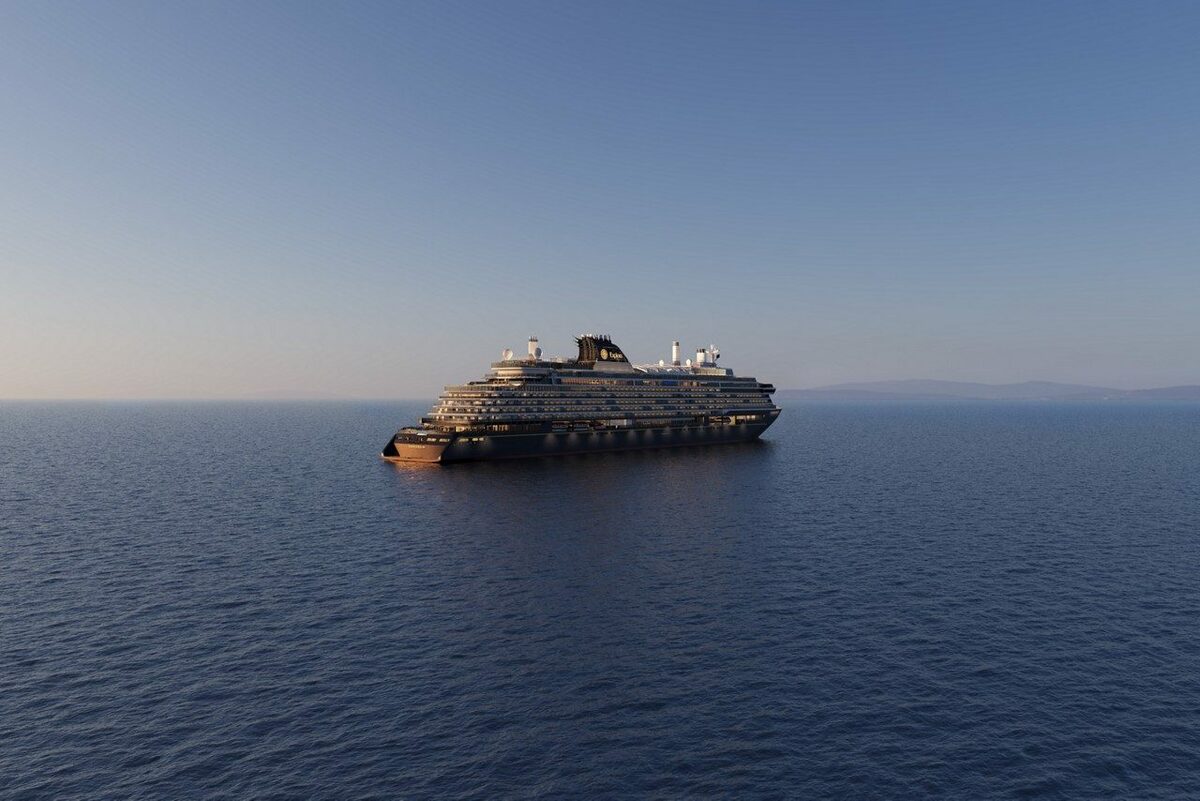
EXPLORA VI
Introducing EXPLORA VI - where elegance, space and thoughtful design invite a more meaningful way to explore.
Setting sail August 2028