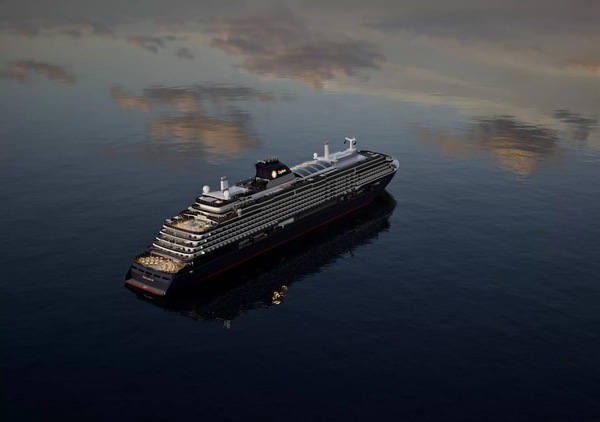
An Extended Journey through Andalusian Energy, Catalan Creativity & Sicilian Flavours
Cruise only — prices from Solo cruise only — from

Ports of Call & Itinerary
17-night voyage departing Lisbon, arriving Fusina.
Printable Itinerary (PDF)Route Map
An Extended Journey through Andalusian Energy, Catalan Creativity & Sicilian Flavours
15 ports plotted · click a marker for details
Day 1
Lisbon , Portugal
Saturday, 14/10/2028
Enjoy the rich buzz of Lisbon. Dip into the city’s strong architectural, cultural and historical connections. Wander charming-cobbled streets, colourful buildings, the river Sado and endless nature. Pilgrimage to Fatima, tour hilly villages, learn Portuguese cooking techniques and listen to the Lisbon blues. Slip to charming Cascais for quieter energy and golden beaches. And as you bathe in the captivating light, enjoy plates of petiscos which - like fado - you’ll soon discover is vibrant, warm and most appealing.
Day 2
Lisbon , Portugal
Sunday, 15/10/2028
Enjoy the rich buzz of Lisbon. Dip into the city’s strong architectural, cultural and historical connections. Wander charming-cobbled streets, colourful buildings, the river Sado and endless nature. Pilgrimage to Fatima, tour hilly villages, learn Portuguese cooking techniques and listen to the Lisbon blues. Slip to charming Cascais for quieter energy and golden beaches. And as you bathe in the captivating light, enjoy plates of petiscos which - like fado - you’ll soon discover is vibrant, warm and most appealing.
Day 3
Cádiz , Spain
Monday, 16/10/2028
Go back in time - where cobbled streets clatter with horse drawn carriages, culture and history seeps through this Spanish city’s soul. Enjoy locally produced tapas and admire the form of iconic Andalusian horses. Drift into tasting tours at sherry wineries in Jerez, then step out to twirl the flamenco. Explore Seville’s architectural marvels; baroque churches, palaces, gothic cathedrals, aristocratic mansions and medieval buildings. With no less than three Unesco World Heritage sites to visit, you’ll feel truly inspired by what Cadiz has to offer.
Day 4
Tangier , Morocco
Tuesday, 17/10/2028
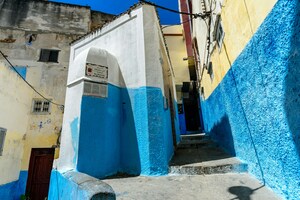
Tangier can trace its origins back to the Phoenicians and ancient Greeks. It was named after Tinge, the mother of Hercules’ son, and its beginnings are embedded in mythology. It was subsequently a Roman province, and after Vandal and Byzantine influences, was occupied by the Arabs with Spain, Portugal, France and England also playing a part in the city’s history. With such a diverse past it is perhaps not surprising that Tangier is such an individual city. Overlooking the Straits of Gibraltar, the city lies on a bay between two promontories. With its old Kasbah, panoramic views, elegant buildings, squares and places of interest, there is much to discover in both the new and old parts of the city.
Day 5
Málaga , Spain
Wednesday, 18/10/2028
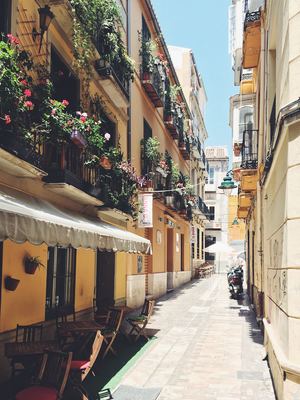
Enjoy the epitome of Spanish charm. Slowly discover Andalusian riches to reveal Picasso’s birthplace, the Alhambra in Granada, Mezquita in Cordoba and the Ronda valley. Explore ancient heritage sites, dance the flamenco, dare to hike the Caminito del Rey trail and delve into white villages sprinkled amongst mango groves and avocado orchards. Sip cocktails by day and sangria by night. And as you watch the sun slip down, reflect upon this gateway of delights.
Day 7
Valencia , Spain
Friday, 20/10/2028
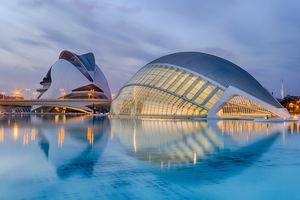
Valencia, Spain's third-largest municipality, is a proud city with a thriving nightlife and restaurant scene, quality museums, and spectacular contemporary architecture, juxtaposed with a thoroughly charming historic quarter, making it a popular destination year in year out. During the Civil War, it was the last seat of the Republican Loyalist government (1935–36), holding out against Franco’s National forces until the country fell to 40 years of dictatorship. Today it represents the essence of contemporary Spain—daring design and architecture along with experimental cuisine—but remains deeply conservative and proud of its traditions. Though it faces the Mediterranean, Valencia's history and geography have been defined most significantly by the River Turia and the fertile huerta that surrounds it.The city has been fiercely contested ever since it was founded by the Greeks. El Cid captured Valencia from the Moors in 1094 and won his strangest victory here in 1099: he died in the battle, but his corpse was strapped into his saddle and so frightened the besieging Moors that it caused their complete defeat. In 1102 his widow, Jimena, was forced to return the city to Moorish rule; Jaume I finally drove them out in 1238. Modern Valencia was best known for its frequent disastrous floods until the River Turia was diverted to the south in the late 1950s. Since then the city has been on a steady course of urban beautification. The lovely bridges that once spanned the Turia look equally graceful spanning a wandering municipal park, and the spectacularly futuristic Ciutat de les Arts i les Ciències (City of Arts and Sciences), most of it designed by Valencia-born architect Santiago Calatrava, has at last created an exciting architectural link between this river town and the Mediterranean. If you're in Valencia, an excursion to Albufera Nature Park is a worthwhile day trip.
Day 8
Barcelona , Spain
Saturday, 21/10/2028
Breathe in the cultural heart of Catalan; an elegant blend of high energy and undisturbed tradition. Muse over the origins of captivating Gaudi architecture within the enchanting labyrinth that is the Gothic Quarter. Savour the flavours of fresh tapas and crisp cava in breezy plazas, tranquil terraces and coveted cafés, or glide down to a shimmering beach club to unwind. Imagine a visit to peaceful Passeig de Gracia, where modernist buildings merge to showcase iconic global labels. And, as dusk falls, prepare for urban action and swing by the lively bohemian bars to fiesta on the leafy stretch of La Rambla. If you’re serious about style, this colourful city provides plenty to celebrate.

Day 9
Palma de Mallorca , Spain
Sunday, 22/10/2028
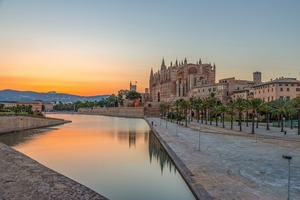
If you look north of the cathedral (La Seu, or the seat of the bishopric, to Mallorcans) on a map of the city of Palma, you can see around the Plaça Santa Eulàlia a jumble of tiny streets that made up the earliest settlement. Farther out, a ring of wide boulevards traces the fortifications built by the Moors to defend the larger city that emerged by the 12th century. The zigzags mark the bastions that jutted out at regular intervals. By the end of the 19th century, most of the walls had been demolished; the only place where you can still see the massive defenses is at Ses Voltes, along the seafront west of the cathedral.A torrent (streambed) used to run through the middle of the old city, dry for most of the year but often a raging flood in the rainy season. In the 17th century it was diverted to the east, along the moat that ran outside the city walls. Two of Palma's main arteries, La Rambla and the Passeig d'es Born, now follow the stream's natural course. The traditional evening paseo (promenade) takes place on the Born.If you come to Palma by car, park in the garage beneath the Parc de la Mar (the ramp is just off the highway from the airport, as you reach the cathedral) and stroll along the park. Beside it run the huge bastions guarding the Almudaina Palace; the cathedral, golden and massive, rises beyond. Where you exit the garage, there's a ceramic mural by the late Catalan artist and Mallorca resident Joan Miró, facing the cathedral across the pool that runs the length of the park.If you begin early enough, a walk along the ramparts at Ses Voltes from the mirador beside the cathedral is spectacular. The first rays of the sun turn the upper pinnacles of La Seu bright gold and then begin to work their way down the sandstone walls. From the Parc de la Mar, follow Avinguda Antoni Maura past the steps to the palace. Just below the Plaça de la Reina, where the Passeig d'es Born begins, turn left on Carrer de la Boteria into the Plaça de la Llotja (if the Llotja itself is open, don't miss a chance to visit—it's the Mediterranean's finest Gothic-style civic building). From there stroll through the Plaça Drassana to the Museu d'Es Baluard, at the end of Carrer Sant Pere. Retrace your steps to Avinguda Antoni Maura. Walk up the Passeig d'es Born to Plaça Joan Carles I, then right on Avenida de La Unió.
Day 11
Valletta , Malta
Tuesday, 24/10/2028
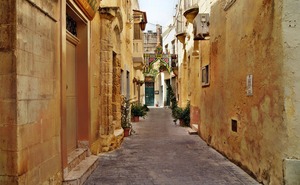
Malta's capital, the minicity of Valletta, has ornate palaces and museums protected by massive fortifications of honey-color limestone. Houses along the narrow streets have overhanging wooden balconies for people-watching from indoors. Generations ago they gave housebound women a window on the world of the street. The main entrance to town is through the City Gate (where all bus routes end), which leads onto Triq Repubblika (Republic Street), the spine of the grid-pattern city and the main shopping street. Triq Mercante (Merchant Street) parallels Repubblika to the east and is also good for strolling. From these two streets, cross streets descend toward the water; some are stepped. Valletta's compactness makes it ideal to explore on foot. City Gate and the upper part of Valletta are experiencing vast redevelopment that includes a new Parliament Building and open-air performance venue. The complex, completed mid-2013, has numerous pedestrian detours in place along with building noise and dust. Before setting out along Republic Street, stop at the tourist information office on Merchant Street for maps and brochures.
Day 12
Siracuse, Sicily , Italy
Wednesday, 25/10/2028
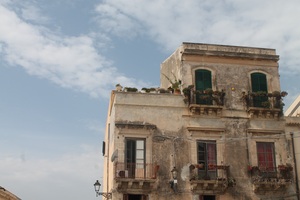
Siracusa, known to English speakers as Syracuse, is a wonder to behold. One of the great ancient capitals of Western civilization, the city was founded in 734 BC by Greek colonists from Corinth and soon grew to rival, and even surpass, Athens in splendor and power. It became the largest, wealthiest city-state in the West and a bulwark of Greek civilization. Although Siracusa lived under tyranny, rulers such as Dionysius filled their courts with Greeks of the highest cultural stature—among them the playwrights Aeschylus and Euripides, and the philosopher Plato. The Athenians, who didn't welcome Siracusa's rise, set out to conquer Sicily, but the natives outsmarted them in what was one of the greatest military campaigns in ancient history (413 BC). The city continued to prosper until it was conquered two centuries later by the Romans.Present-day Siracusa still has some of the finest examples of Baroque art and architecture; dramatic Greek and Roman ruins; and a Duomo that's the stuff of legend—a microcosm of the city's entire history in one building. The modern city also has a wonderful, lively, Baroque old town worthy of extensive exploration, as well as pleasant piazzas, outdoor cafés and bars, and a wide assortment of excellent seafood. There are essentially two areas to explore in Siracusa: the Parco Archeologico (Archaeological Zone), on the mainland; and the island of Ortygia, the ancient city first inhabited by the Greeks, which juts out into the Ionian Sea and is connected to the mainland by two small bridges. Ortygia is becoming increasingly popular with tourists, and is starting to lose its old-fashioned charm in favor of modern boutiques.Siracusa's old nucleus of Ortygia, a compact area, is a pleasure to amble around without getting unduly tired. In contrast, mainland Siracusa is a grid of wider avenues. At the northern end of Corso Gelone, above Viale Paolo Orsi, the orderly grid gives way to the ancient quarter of Neapolis, where the sprawling Parco Archeologico is accessible from Viale Teracati (an extension of Corso Gelone). East of Viale Teracati, about a 10-minute walk from the Parco Archeologico, the district of Tyche holds the archaeological museum and the church and catacombs of San Giovanni, both off Viale Teocrito (drive or take a taxi or city bus from Ortygia). Coming from the train station, it's a 15-minute trudge to Ortygia along Via Francesco Crispi and Corso Umberto. If you're not up for that, take one of the free electric buses leaving every 10 minutes from the bus station around the corner.
Day 13
Gallipoli , Italy
Thursday, 26/10/2028
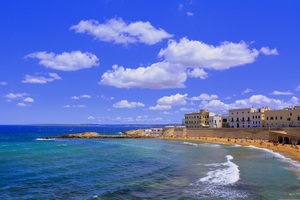
Kalè polis, meaning beautiful city, is the name ancient Greek mariners bestowed on Gallipoli, with good reason. Situated on a mound, the Old Town with its labyrinth of winding lanes, emerges from the Ionian Sea. It is connected to the mainland and modern Gallipoli via a 17th-century bridge. The area lies on the Salentina Peninsula in the extreme southeast end of Italy, commonly referred to as the heel of the boot. The Salento region was inhabited already in prehistoric times; later centuries were marked by Greek, Norman, Byzantine and Baroque cultures. It is a land of farms, castles, works of art, myths and legends. Many heroic battles were fought; fierce resistance was shown by Gallipoli’s citizens against numerous invaders that included Romans, Vandals, Swabians, Venetians, French and lastly the English in 1809. In addition to its tumultuous history and natural beauty, the city’s claim to fame rests in its art treasures, most notably, the Basilica of Sant’Agata with its majestic 17th-century façade. Inside, the church contains a rich and important art collection with numerous works by its great native son, Giovanni Andrea Coppola.
Day 14
Kotor , Montenegro
Friday, 27/10/2028
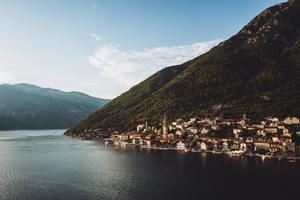
Backed by imposing mountains, tiny Kotor lies hidden from the open sea, tucked into the deepest channel of the Bokor Kotorska (Kotor Bay), which is Europe's most southerly fjord. To many, this town is more charming than its sister UNESCO World Heritage Site, Dubrovnik, retaining more authenticity, but with fewer tourists and spared the war damage and subsequent rebuilding which has given Dubrovnik something of a Disney feel.Kotor's medieval Stari Grad (Old Town) is enclosed within well-preserved defensive walls built between the 9th and 18th centuries and is presided over by a proud hilltop fortress. Within the walls, a labyrinth of winding cobbled streets leads through a series of splendid paved piazzas, rimmed by centuries-old stone buildings. The squares are now haunted by strains from buskers but although many now house trendy cafés and chic boutiques, directions are still given medieval-style by reference to the town’s landmark churches.In the Middle Ages, as Serbia's chief port, Kotor was an important economic and cultural center with its own highly regarded schools of stonemasonry and iconography. From 1391 to 1420 it was an independent city-republic and later, it spent periods under Venetian, Austrian, and French rule, though it was undoubtedly the Venetians who left the strongest impression on the city's architecture. Since the breakup of Yugoslavia, some 70% of the stone buildings in the romantic Old Town have been snapped up by foreigners, mostly Brits and Russians. Porto Montenegro, a new marina designed to accommodate some of the world’s largest super yachts, opened in nearby Tivat in 2011, and along the bay are other charming seaside villages, all with better views of the bay than the vista from Kotor itself where the waterside is congested with cruise ships and yachts. Try sleepy Muo or the settlement of Prčanj in one direction around the bay, or Perast and the Roman mosaics of Risan in the other direction.
Day 16
Ravenna , Italy
Sunday, 29/10/2028
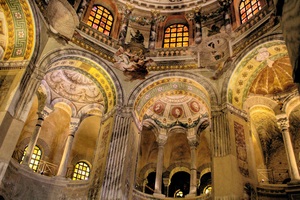
A small, quiet, well-heeled city, Ravenna has brick palaces, cobblestone streets, magnificent monuments, and spectacular Byzantine mosaics. The high point in its civic history occurred in the 5th century, when Pope Honorious moved his court here from Rome. Gothic kings Odoacer and Theodoric ruled the city until it was conquered by the Byzantines in AD 540. Ravenna later fell under the sway of Venice, and then, inevitably, the Papal States.Because Ravenna spent much of its past looking east, its greatest art treasures show that Byzantine influence. Churches and tombs with the most unassuming exteriors contain within them walls covered with sumptuous mosaics. These beautifully preserved Byzantine mosaics put great emphasis on nature, which you can see in the delicate rendering of sky, earth, and animals. Outside Ravenna, the town of Classe hides even more mosaic gems.
Day 17
Koper , Slovenia
Monday, 30/10/2028
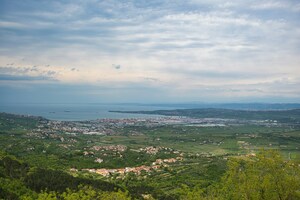
Today a port town surrounded by industrial suburbs, Koper nevertheless warrants a visit. The Republic of Venice made Koper the regional capital during the 15th and 16th centuries, and the magnificent architecture of the Old Town bears witness to the spirit of those times.The most important buildings are clustered around Titov trg, the central town square. Here stands the Cathedral, which can be visited daily from 7 to noon and 3 to 7, with its fine Venetian Gothic facade and bell tower dating back to 1664. Across the square the splendid Praetor's Palace, formerly the seat of the Venetian Grand Council, combines Gothic and Renaissance styles. From the west side of Titov trg, the narrow, cobbled Kidriceva ulica brings you down to the seafront.
Day 18
Fusina , Italy
Tuesday, 31/10/2028
Room Type & Prices
All prices per person based on double occupancy. Solo traveller prices — single occupancy. Contact our cruise experts for the latest availability and best fares.
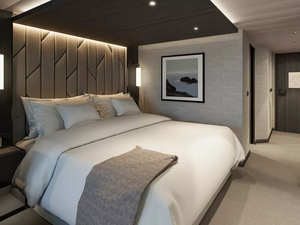
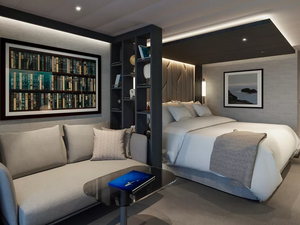
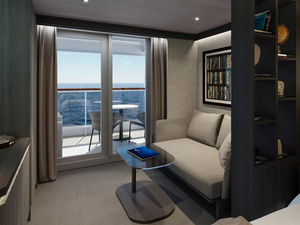
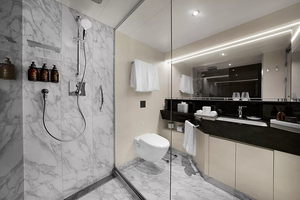
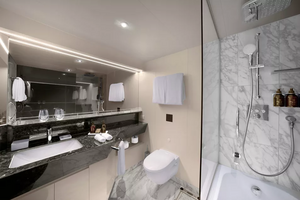
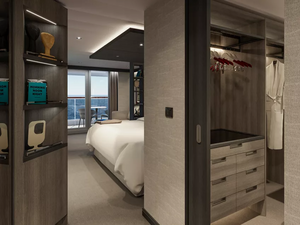
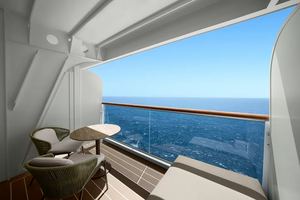
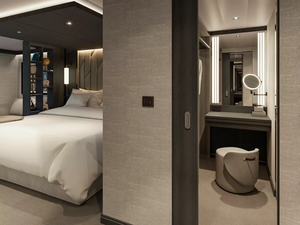
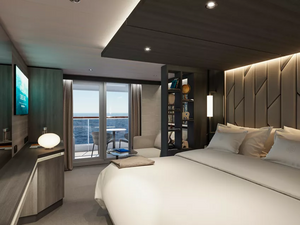
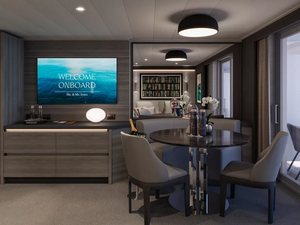
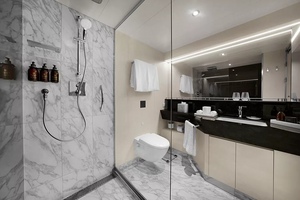
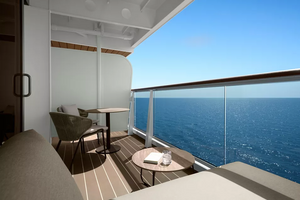
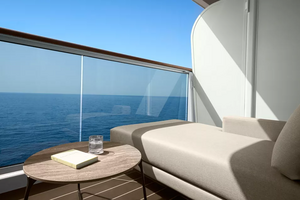
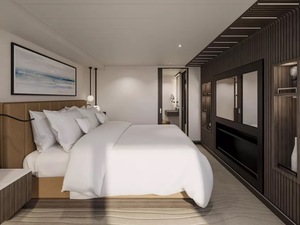
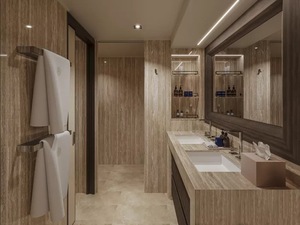
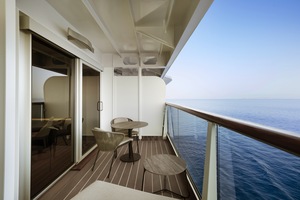
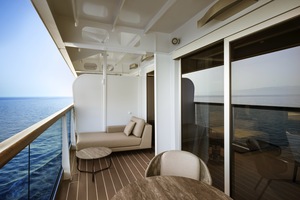
Ocean Terrace Suite
377–420 sqft · Up to 3 guests
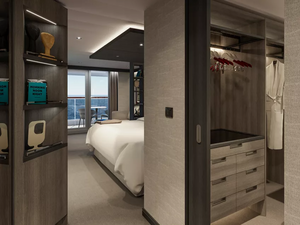
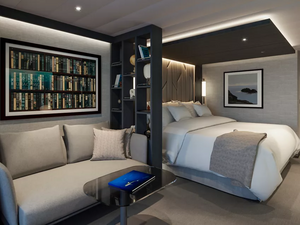
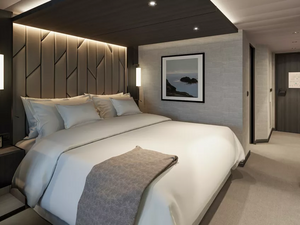
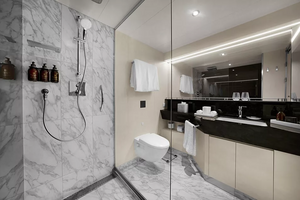
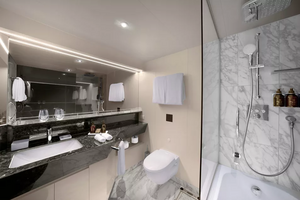
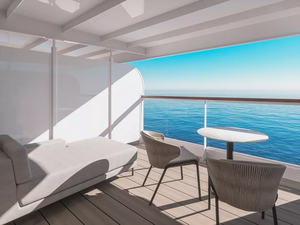
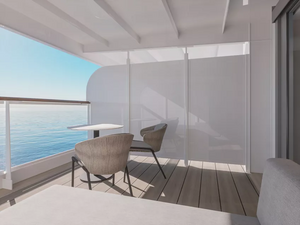
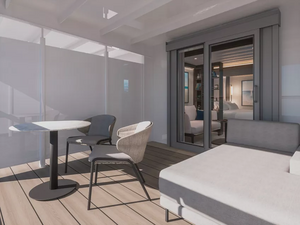
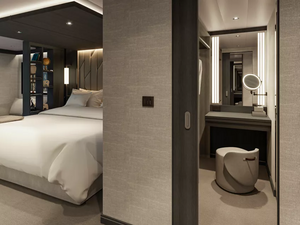
Ocean Grand Terrace Suite
377–420 sqft · Up to 3 guests
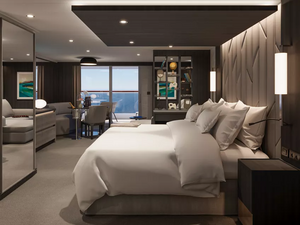
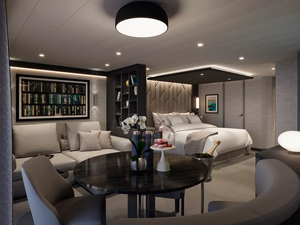
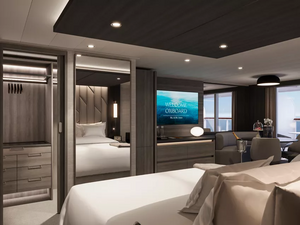
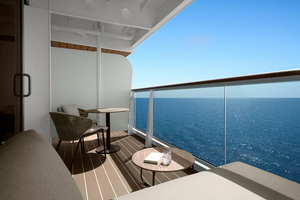
Penthouse
463–732 sqft · Up to 4 guests
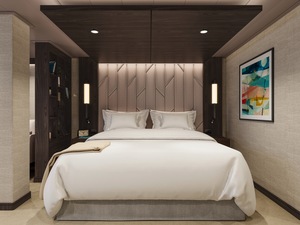
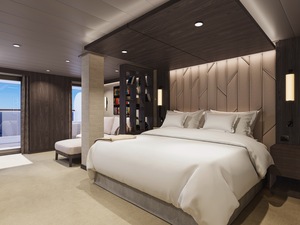
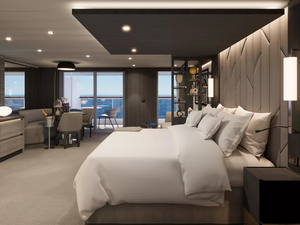
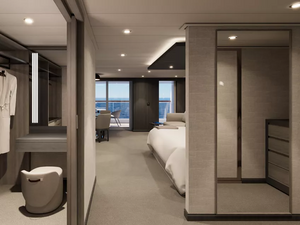
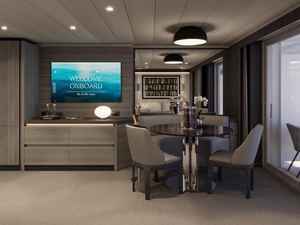
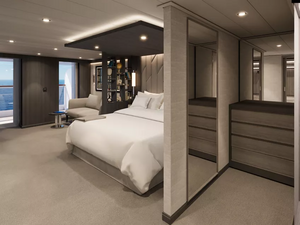
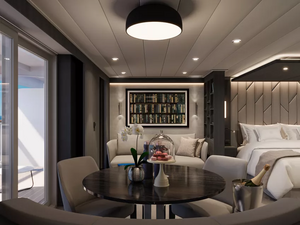
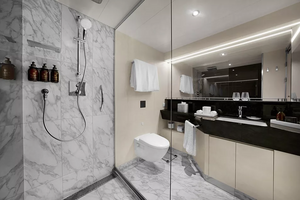
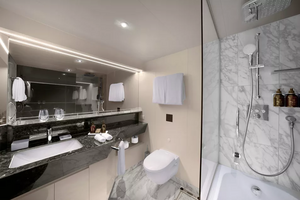
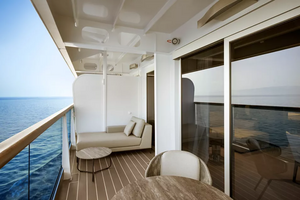
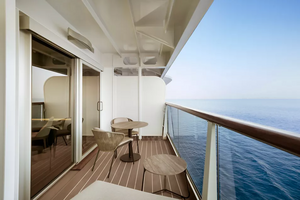
Deluxe Penthouse
463–732 sqft · Up to 4 guests
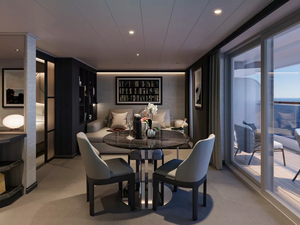
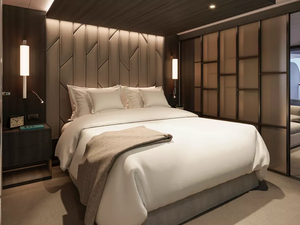
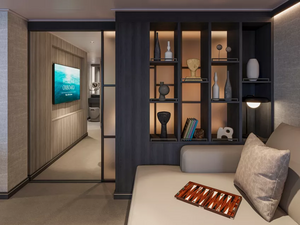
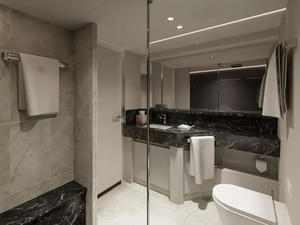
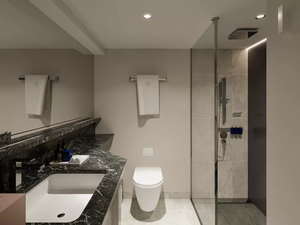
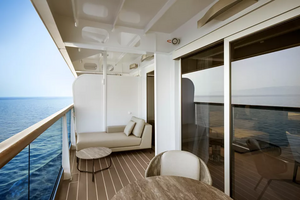

Premier Penthouse
463–732 sqft · Up to 4 guests
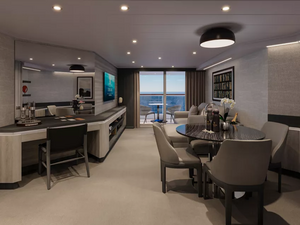
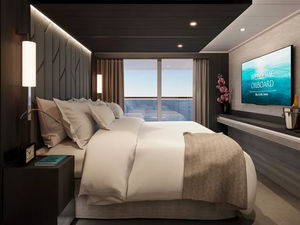
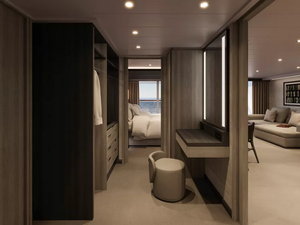
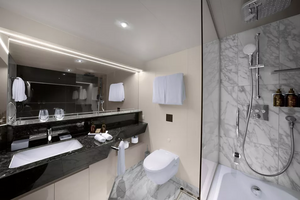
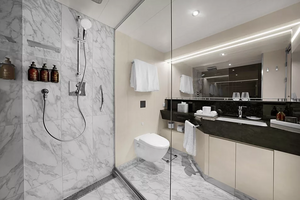
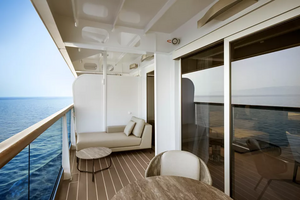

Grand Penthouse
463–732 sqft · Up to 4 guests
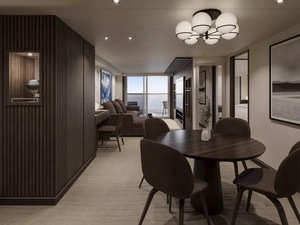
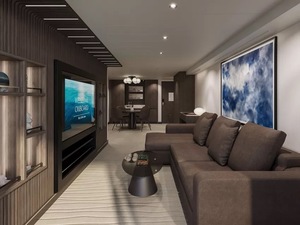
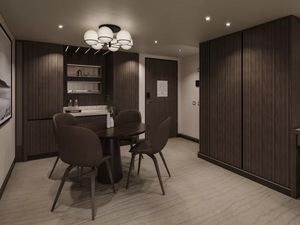
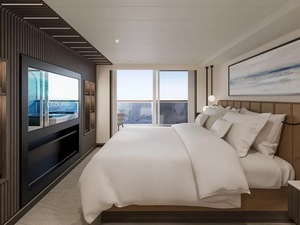
Cove Residence
753–1604 sqft · Up to 4 guests
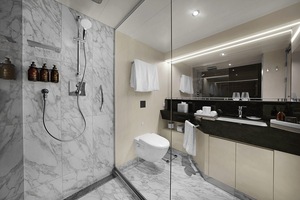
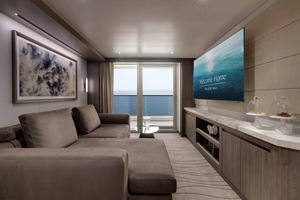
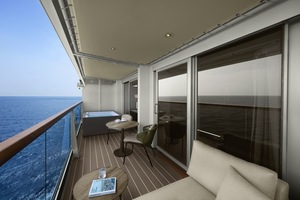
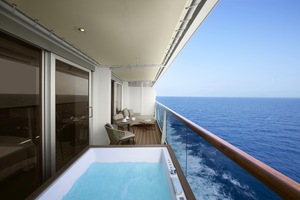
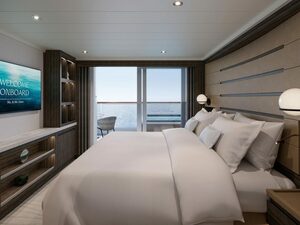
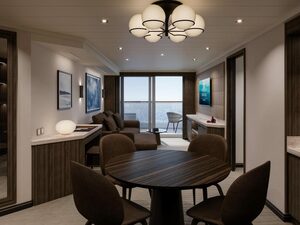
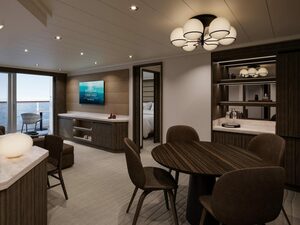
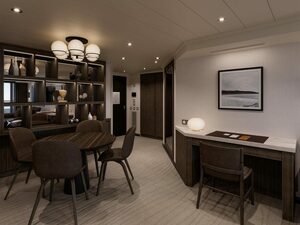
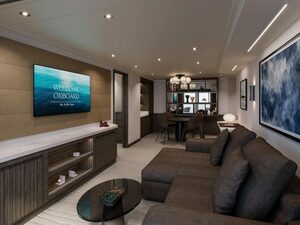

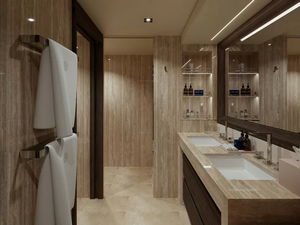
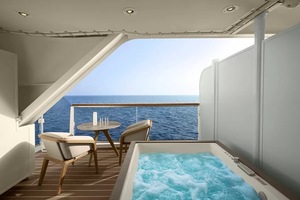
Cove Residence with Whirlpool
753–1604 sqft · Up to 2 guests
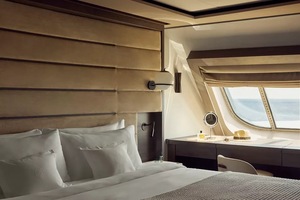
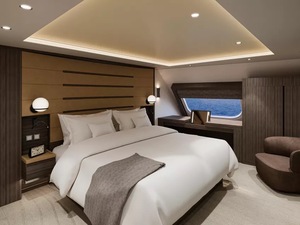
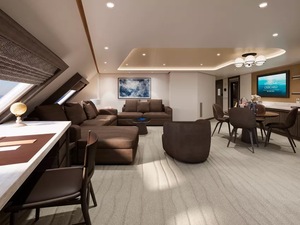
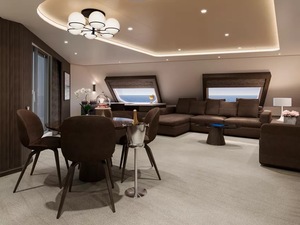
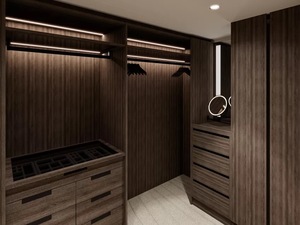
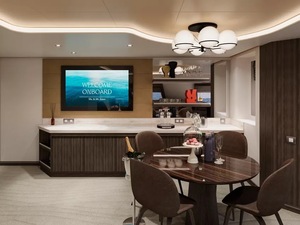
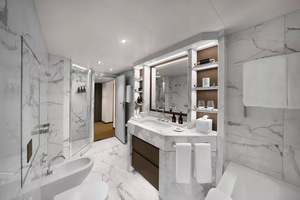
Retreat Residence
753–1604 sqft · Up to 4 guests
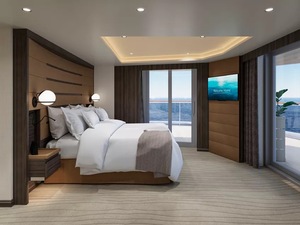
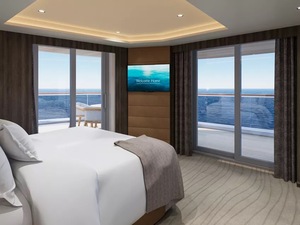
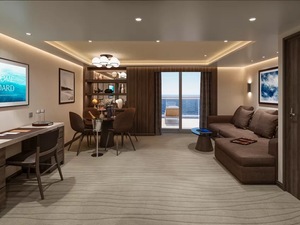
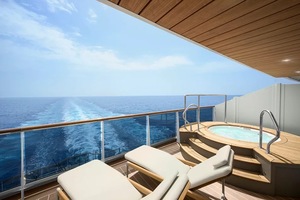
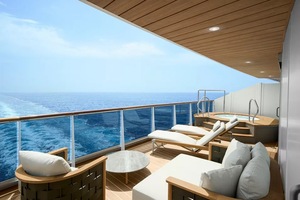
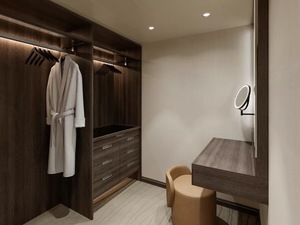
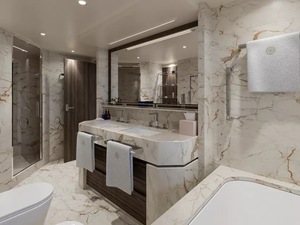
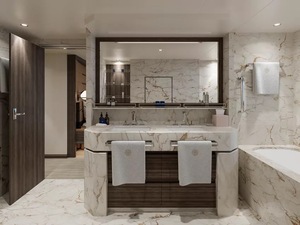
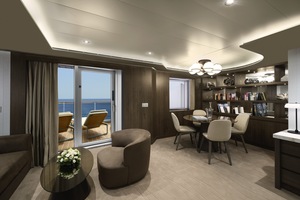
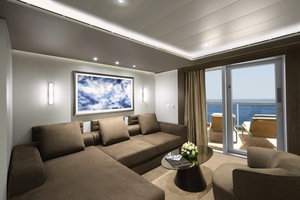
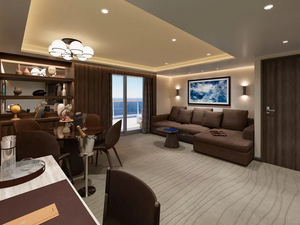
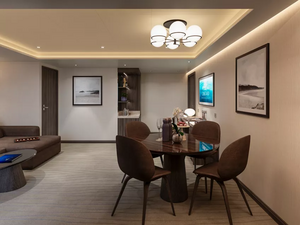
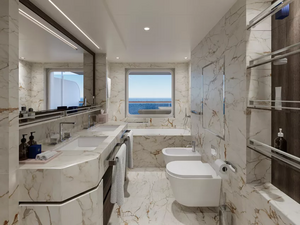
Serenity Residence
753–1601 sqft · Up to 4 guests
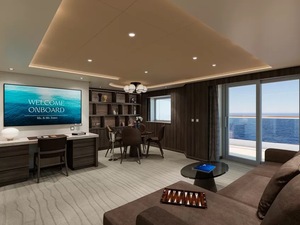
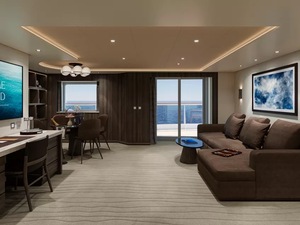
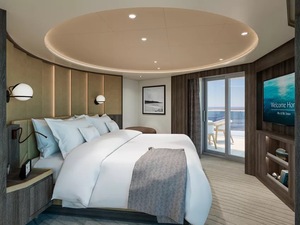
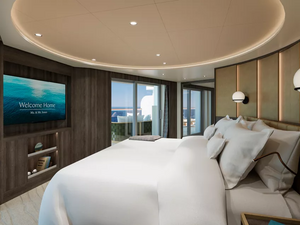
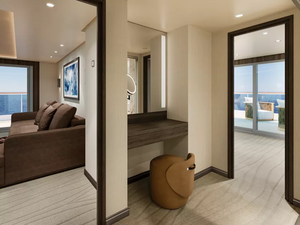
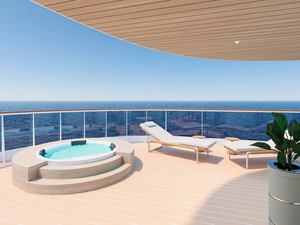
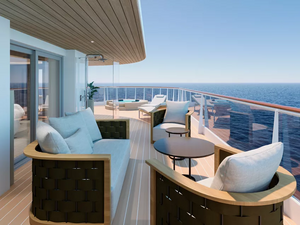
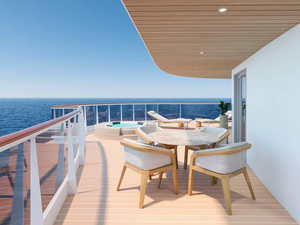

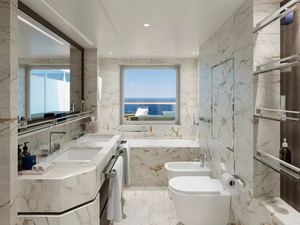
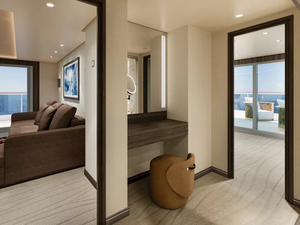
Cocoon Residence
753–1604 sqft · Up to 4 guests
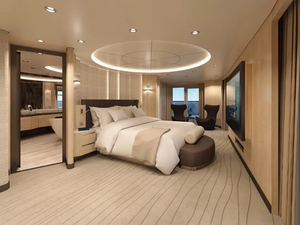
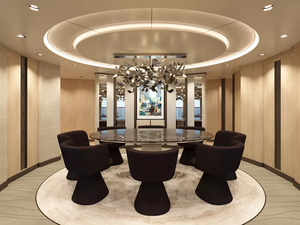
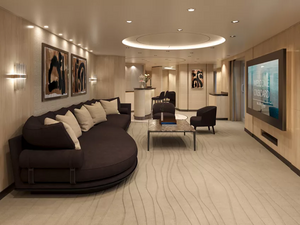
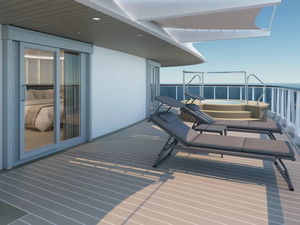
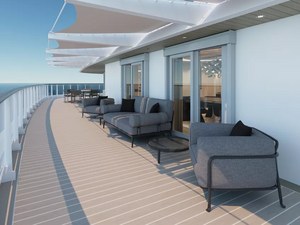
Owner's Residence
3014 sqft · Up to 4 guests
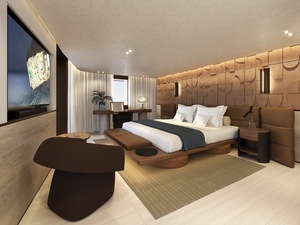
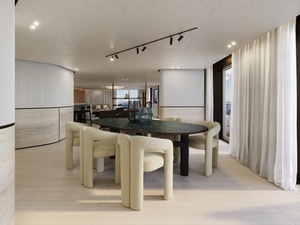
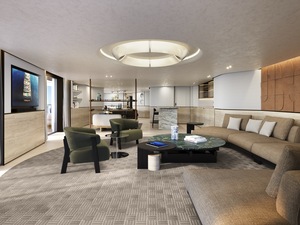
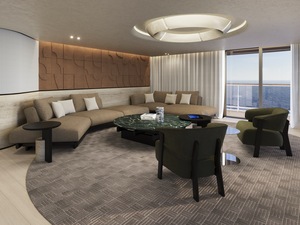
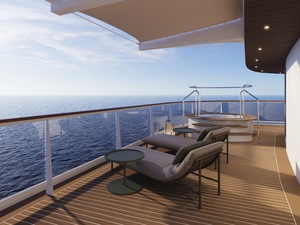
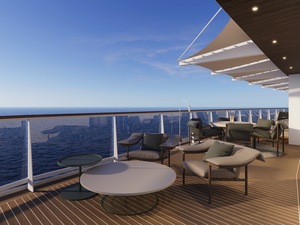
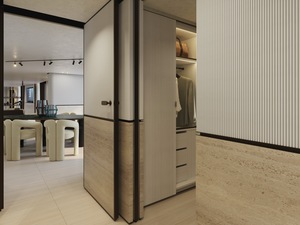
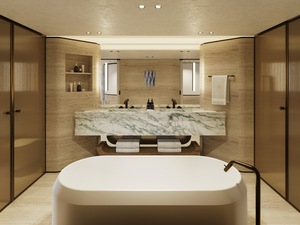
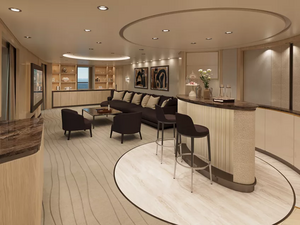
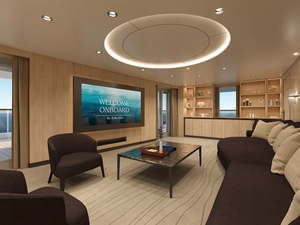
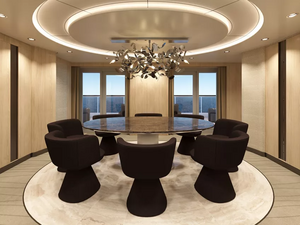
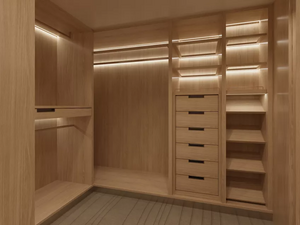
Owner's Residence by Patricia Urquiola
3014 sqft · Up to 4 guests
Suite
| Cabin | Grade | Per Person | Avail. | |
|---|---|---|---|---|
| Ocean Terrace Suite · 377–420 sqft | OT1 Ocean Terrace Suite OT1 | Enquire → | ||
| OT2 Ocean Terrace Suite OT2 | Enquire → | |||
| OT3 Ocean Terrace Suite OT3 | Enquire → | |||
| OT4 Ocean Terrace Suite OT4 | Enquire → | |||
| Ocean Grand Terrace Suite · 377–420 sqft | GT | Enquire → | ||
| Penthouse · 463–732 sqft | PH | Enquire → | ||
| Deluxe Penthouse · 463–732 sqft | DP | Enquire → | ||
| Premier Penthouse · 463–732 sqft | PP | Enquire → | ||
| Grand Penthouse · 463–732 sqft | GP | Enquire → | ||
| Cove Residence · 753–1604 sqft | CO1 Cove Residence CO1 | Enquire → | ||
| Cove Residence with Whirlpool · 753–1604 sqft | COJ Cove Residence COJ | Enquire → | ||
| Retreat Residence · 753–1604 sqft | RR | Enquire → | ||
| Serenity Residence · 753–1601 sqft | SR | Enquire → | ||
| Cocoon Residence · 753–1604 sqft | CR | Enquire → | ||
| Owner's Residence · 3014 sqft | OR1 Owner's Residence OR1 | Enquire → | ||
| Owner's Residence by Patricia Urquiola · 3014 sqft | OR2 Owner's Residence OR2 | Enquire → |
Ocean Terrace Suite · 377–420 sqft
OT1 Ocean Terrace Suite OT1
Ocean Terrace Suite · 377–420 sqft
OT2 Ocean Terrace Suite OT2
Ocean Terrace Suite · 377–420 sqft
OT3 Ocean Terrace Suite OT3
Ocean Terrace Suite · 377–420 sqft
OT4 Ocean Terrace Suite OT4
Ocean Grand Terrace Suite · 377–420 sqft
GT
Penthouse · 463–732 sqft
PH
Deluxe Penthouse · 463–732 sqft
DP
Premier Penthouse · 463–732 sqft
PP
Grand Penthouse · 463–732 sqft
GP
Cove Residence · 753–1604 sqft
CO1 Cove Residence CO1
Cove Residence with Whirlpool · 753–1604 sqft
COJ Cove Residence COJ
Retreat Residence · 753–1604 sqft
RR
Serenity Residence · 753–1601 sqft
SR
Cocoon Residence · 753–1604 sqft
CR
Owner's Residence · 3014 sqft
OR1 Owner's Residence OR1
Owner's Residence by Patricia Urquiola · 3014 sqft
OR2 Owner's Residence OR2
More Departures
10 nights
A Journey Through Greece’s Icons to Italy’s Hidden Coastlines
19/10/2026
From
£4,930
21 nights
An Extended Journey of Returning Tides & New Shores
19/10/2026
From
£11,135
11 nights
A Journey of Beguiling Landscapes & Enchanting Mediterranean Delights
21/10/2026
From
£4,875
27 nights
A Grand Journey of Colourful Moroccan Shores & Idyllic Caribbean Scenery
21/10/2026
From
£10,950
8 nights
A Journey Through Moroccan Shores and Andalusian Spirit
24/10/2026
From
£4,590
14 nights
An Extended Journey of Maritime Soul & Island Zest
25/10/2026
From
£14,800
Your Ship
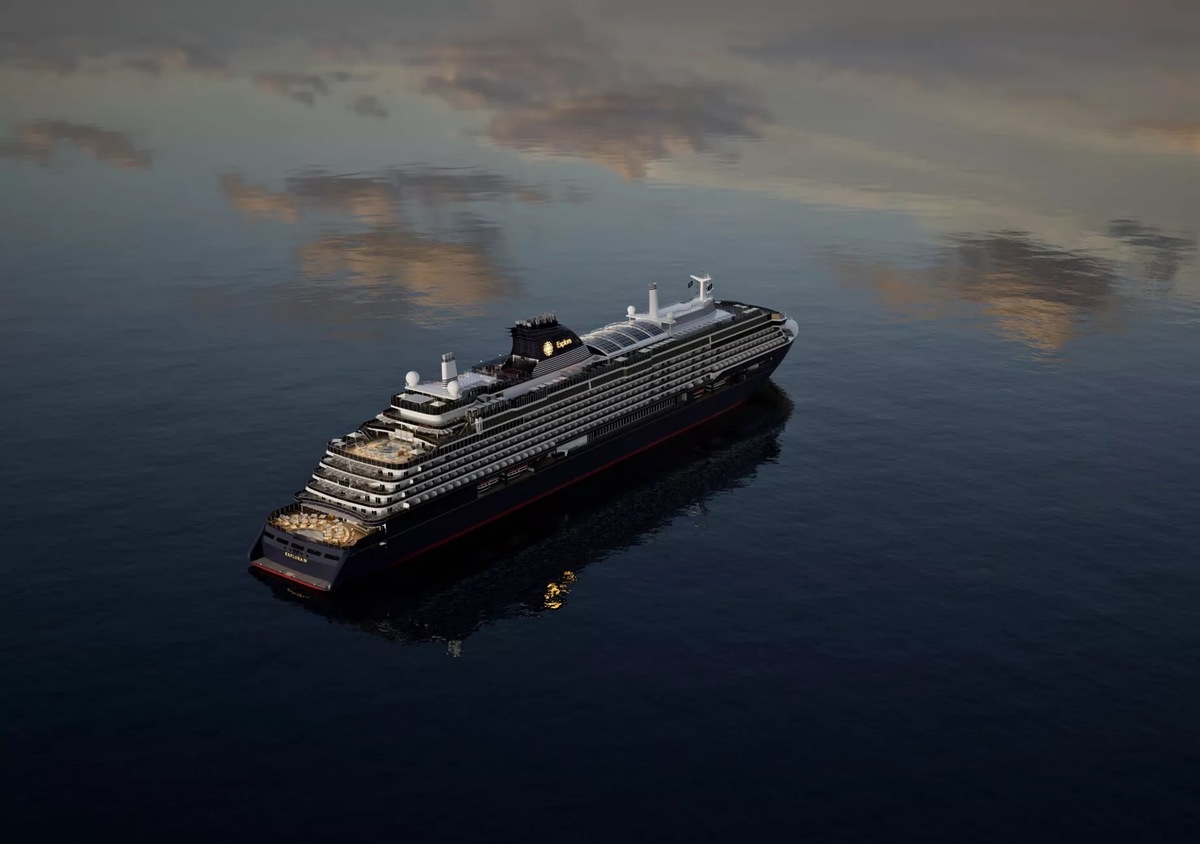
EXPLORA IV
A sanctuary of space and serenity, EXPLORA IV invites guests to reconnect – with themselves, the ocean, and the world around them.