An Extended Journey to Dazzling Habours & Renaissance Marvels
Cruise only — prices from Solo cruise only — from

Ports of Call & Itinerary
14-night voyage departing Civitavecchia.
Printable Itinerary (PDF)Route Map
An Extended Journey to Dazzling Habours & Renaissance Marvels
15 ports plotted · click a marker for details
Day 1
Civitavecchia , Italy
Monday, 19/06/2028
Italy's vibrant capital lives in the present, but no other city on earth evokes its past so powerfully. For over 2,500 years, emperors, popes, artists, and common citizens have left their mark here. Archaeological remains from ancient Rome, art-stuffed churches, and the treasures of Vatican City vie for your attention, but Rome is also a wonderful place to practice the Italian-perfected il dolce far niente, the sweet art of idleness. Your most memorable experiences may include sitting at a caffè in the Campo de' Fiori or strolling in a beguiling piazza.

Day 2
Calvi, Corsica , France
Tuesday, 20/06/2028
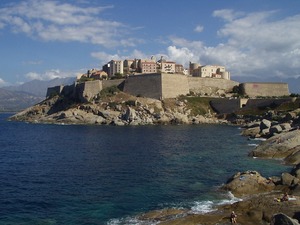
Too few have experienced the quiet yet breathtaking beauty of Corsica, an island graced with cobbled streets, medieval villages, pine landscapes, natural pools and waterfalls. Climb trails coursing through beautiful villages which cling to jagged cliffs, relax on white sandy beaches spilling into turquoise waters and delight in the views of flourishing fauna. Rejuvenate in marina bistros purring with Corsican polyphonic music, and as the sun melts into the sea - remember the sentiment of Matisse’s famous observation, “All is colour, all is light.”
Day 3
Genoa , Italy
Wednesday, 21/06/2028
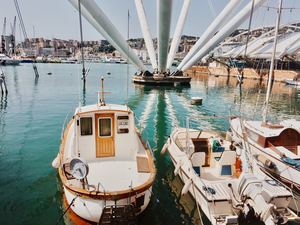
Genoa is a port city in the Northwest of Italy. Home to the Genoa Aquarium, famous for having the largest exposition of biodiversity in Europe, the city is also a great place to visit for anyone interested in architecture.
Day 3
Portofino , Italy
Wednesday, 21/06/2028
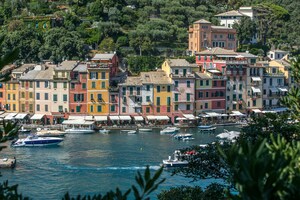
One of the most photographed villages along the coast, with a decidedly romantic and affluent aura, Portofino has long been a popular destination for the rich and famous. Once an ancient Roman colony and taken by the Republic of Genoa in 1229, it’s also been ruled by the French, English, Spanish, and Austrians, as well as by marauding bands of 16th-century pirates. Elite British tourists first flocked to the lush harbor in the mid-1800s. Some of Europe's wealthiest drop anchor in Portofino in summer, but they stay out of sight by day, appearing in the evening after buses and boats have carried off the day-trippers.There's not actually much to do in Portofino other than stroll around the wee harbor, see the castle, walk to Punta del Capo, browse at the pricey boutiques, and sip a coffee while people-watching. However, weaving through picture-perfect cliffside gardens and gazing at yachts framed by the sapphire Ligurian Sea and the cliffs of Santa Margherita can make for quite a relaxing afternoon. There are also several tame, photo-friendly hikes into the hills to nearby villages.Unless you're traveling on a deluxe budget, you may want to stay in Camogli or Santa Margherita Ligure rather than at one of Portofino's few very expensive hotels. Restaurants and cafés are good but also pricey (don't expect to have a beer here for much under €10).
Day 4
Villefranche-sur-Mer , France
Thursday, 22/06/2028
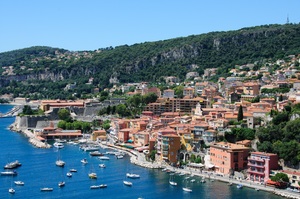
Villefranche-Sur-Mer is located on the Côte d’Azur in Provence – known for its fields of lavender and warm weather – and is highly appreciated for its 14th Century architecture.
Day 6
Palamós , Spain
Saturday, 24/06/2028
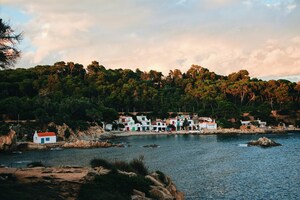
One of the best ways to arrive in Catalonia is by sea, especially via the Costa Brava. This coastline, also known as the Rugged or Wild Coast, stretches from Blanes to the French border. Its name aptly refers to the steep cliff of ancient twisted rocks, which runs its entire length and is bounded inland by the Catalan mountain ranges. The intensity of the coast’s colour, the ruggedness of the rocks and the scent of the plants all combine to add to its attraction. The history of this region is long and varied. Traces can be found of the advanced culture of the Iberians, Greeks, Romans, Visigoths and Arabs. With Wilfred I and the independence of Catalan countries, the Catalan dynasty was born. Later, in 1479, Catalonia became a part of unified Spain following the marriage of Isabel, Queen of Castile, and Fernando, King of Aragon. The port of Palamos, some 36 miles northeast of Barcelona, has been in existence for nearly 700 years thanks to its location on one of the deepest natural bays in the western Mediterranean. The town itself is the southernmost of a series of resorts popular with sun worshippers. For the most part, Palamos has managed to retain some of the charm of a fishing village. The port also serves as a gateway to such inland locations as Girona, the capital of the province. Art lovers may want to visit Figueras, famous for its bizarre Teatre-Museu Dali, the foremost of a series of sites associated with the eccentric surrealist artist, Salvador Dali. If you choose to stay in Palamos, you can enjoy the pleasant atmosphere of the town or spend some time at a nearby beach. The town has a long seagoing tradition and busy harbour. The fish auction, prompted by the arrival of the fishing boats, is a spectacle worth seeing. The Fishing Museum illustrates the history and the life of the families who live off the sea.
Day 7
Palma de Mallorca , Spain
Sunday, 25/06/2028
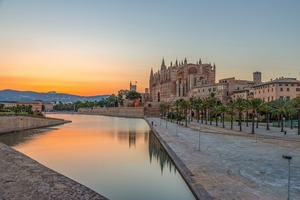
If you look north of the cathedral (La Seu, or the seat of the bishopric, to Mallorcans) on a map of the city of Palma, you can see around the Plaça Santa Eulàlia a jumble of tiny streets that made up the earliest settlement. Farther out, a ring of wide boulevards traces the fortifications built by the Moors to defend the larger city that emerged by the 12th century. The zigzags mark the bastions that jutted out at regular intervals. By the end of the 19th century, most of the walls had been demolished; the only place where you can still see the massive defenses is at Ses Voltes, along the seafront west of the cathedral.A torrent (streambed) used to run through the middle of the old city, dry for most of the year but often a raging flood in the rainy season. In the 17th century it was diverted to the east, along the moat that ran outside the city walls. Two of Palma's main arteries, La Rambla and the Passeig d'es Born, now follow the stream's natural course. The traditional evening paseo (promenade) takes place on the Born.If you come to Palma by car, park in the garage beneath the Parc de la Mar (the ramp is just off the highway from the airport, as you reach the cathedral) and stroll along the park. Beside it run the huge bastions guarding the Almudaina Palace; the cathedral, golden and massive, rises beyond. Where you exit the garage, there's a ceramic mural by the late Catalan artist and Mallorca resident Joan Miró, facing the cathedral across the pool that runs the length of the park.If you begin early enough, a walk along the ramparts at Ses Voltes from the mirador beside the cathedral is spectacular. The first rays of the sun turn the upper pinnacles of La Seu bright gold and then begin to work their way down the sandstone walls. From the Parc de la Mar, follow Avinguda Antoni Maura past the steps to the palace. Just below the Plaça de la Reina, where the Passeig d'es Born begins, turn left on Carrer de la Boteria into the Plaça de la Llotja (if the Llotja itself is open, don't miss a chance to visit—it's the Mediterranean's finest Gothic-style civic building). From there stroll through the Plaça Drassana to the Museu d'Es Baluard, at the end of Carrer Sant Pere. Retrace your steps to Avinguda Antoni Maura. Walk up the Passeig d'es Born to Plaça Joan Carles I, then right on Avenida de La Unió.
Day 8
Barcelona , Spain
Monday, 26/06/2028
Breathe in the cultural heart of Catalan; an elegant blend of high energy and undisturbed tradition. Muse over the origins of captivating Gaudi architecture within the enchanting labyrinth that is the Gothic Quarter. Savour the flavours of fresh tapas and crisp cava in breezy plazas, tranquil terraces and coveted cafés, or glide down to a shimmering beach club to unwind. Imagine a visit to peaceful Passeig de Gracia, where modernist buildings merge to showcase iconic global labels. And, as dusk falls, prepare for urban action and swing by the lively bohemian bars to fiesta on the leafy stretch of La Rambla. If you’re serious about style, this colourful city provides plenty to celebrate.

Day 10
Olbia , Italy
Wednesday, 28/06/2028
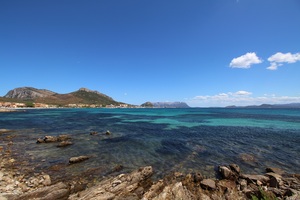
Amid the resorts of Sardinia's northeastern coast, Olbia, a town of about 60,000, is a lively little seaport and port of call for mainland ferries at the head of a long, wide bay.San SimplicioOlbia's little Catholic basilica, a short walk behind the main Corso Umberto and past the train station, is worth searching out if you have any spare time in Olbia. The simple granite structure dates from the 11th century, part of the great Pisan church-building program, using pillars and columns recycled from Roman buildings. The basilica has a bare, somewhat somber interior, its three naves separated by a series of arches.
Day 10
Porto Cervo , Italy
Wednesday, 28/06/2028
Day 11
Porto Santo Stefano , Italy
Thursday, 29/06/2028
Day 12
Monte-Carlo , Monaco
Friday, 30/06/2028
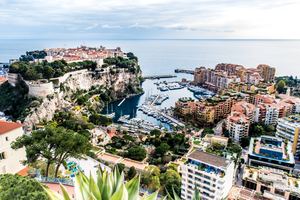
On one of the best stretches of the Mediterranean, this classic luxury destination is one of the most sought-after addresses in the world. With all the high-rise towers you have to look hard to find the Belle Époque grace of yesteryear. But if you head to the town's great 1864 landmark Hôtel de Paris—still a veritable crossroads of the buffed and befurred Euro-gentry—or enjoy a grand bouffe at its famous Louis XV restaurant, or attend the opera, or visit the ballrooms of the casino, you may still be able to conjure up Monaco's elegant past. Prince Albert II, a political science graduate from Amherst College, traces his ancestry to Otto Canella, who was born in 1070. The Grimaldi dynasty began with Otto's great-great-great-grandson, Francesco Grimaldi, also known as Frank the Rogue. Expelled from Genoa, Frank and his cronies disguised themselves as monks and in 1297 seized the fortified medieval town known today as Le Rocher (the Rock). Except for a short break under Napoléon, the Grimaldis have been here ever since, which makes them the oldest reigning family in Europe. In the 1850s a Grimaldi named Charles III made a decision that turned the Rock into a giant blue chip. Needing revenue but not wanting to impose additional taxes on his subjects, he contracted with a company to open a gambling facility. The first spin of the roulette wheel was on December 14, 1856. There was no easy way to reach Monaco then—no carriage roads or railroads—so no one came. Between March 15 and March 20, 1857, one person entered the casino—and won two francs. In 1868, however, the railroad reached Monaco, and it was filled with Englishmen who came to escape the London fog. The effects were immediate. Profits were so great that Charles eventually abolished all direct taxes. Almost overnight, a threadbare principality became an elegant watering hole for European society. Dukes (and their mistresses) and duchesses (and their gigolos) danced and dined their way through a world of spinning roulette wheels and bubbling champagne—preening themselves for nights at the opera, where such artists as Vaslav Nijinsky, Sarah Bernhardt, and Enrico Caruso came to perform. Along with the tax system, its sensational position on a broad, steep peninsula that bulges into the Mediterranean—its harbor sparkling with luxury cruisers, its posh mansions angling awnings toward the nearly perpetual sun—continues to draw the rich and famous. One of the latest French celebrities to declare himself "Monégasque," thus giving up his French passport, is superchef Alain Ducasse, who said that he made the choice out of affection for Monaco rather than tax reasons. Pleasure boats vie with luxury cruisers in their brash beauty and Titanic scale, and teams of handsome young men—themselves dyed blond and tanned to match—scour and polish every gleaming surface. As you might expect, all this glitz doesn't come cheap. Eating is expensive, and even the most modest hotels cost more here than in nearby Nice or Menton. As for taxis, they don't even have meters so you are completely at the driver's mercy (with prices skyrocketing during events such as the Grand Prix). For the frugal, Monaco is the ultimate day-trip, although parking is as coveted as a room with a view. At the very least you can afford a coffee at Starbucks. The harbor district, known as La Condamine, connects the new quarter, officially known as Monte Carlo with Monaco-Ville (or Le Rocher), a medieval town on the Rock, topped by the palace, the cathedral, and the Oceanography Museum. Have no fear that you'll need to climb countless steps to get to Monaco-Ville, as there are plenty of elevators and escalators climbing the steep cliffs. But shuttling between the lovely casino grounds of Monte Carlo and Old Monaco, separated by a vast port, is a daunting proposition for ordinary mortals without wings, so hop on the No. 1 bus from Saint Roman, or No. 2 from the Jardin Exotique - Both stop at Place du Casino and come up to Monaco Ville.
Day 13
Cannes , France
Saturday, 01/07/2028
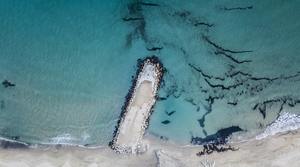
Cannes is pampered with the luxurious year-round climate that has made it one of the most popular resorts in Europe. Cannes was an important sentinel site for the monks who established themselves on Île St-Honorat in the Middle Ages. Its bay served as nothing more than a fishing port until in 1834 an English aristocrat, Lord Brougham, fell in love with the site during an emergency stopover with a sick daughter. He had a home built here and returned every winter for a sun cure—a ritual quickly picked up by his peers. Between the popularity of Le Train Blue transporting wealthy passengers from Calais, and the introduction in 1936 of France's first paid holidays, Cannes became the destination, a tasteful and expensive breeding ground for the upper-upscale.Cannes has been further glamorized by the ongoing success of its annual film festival, as famous as Hollywood's Academy Awards. About the closest many of us will get to feeling like a film star is a stroll here along La Croisette, the iconic promenade that gracefully curves the wave-washed sand coastline, peppered with chic restaurants and prestigious private beaches. This is precisely the sort of place for which the French invented the verb flâner (to dawdle, saunter): strewn with palm trees and poseurs, its fancy boutiques and status-symbol grand hotels—including the Carlton, the legendary backdrop to Grace Kelly in To Catch a Thief —all vying for the custom of the Louis Vuitton set. This legend is, to many, the heart and soul of the Côte d'Azur.
Day 14
Livorno , Italy
Sunday, 02/07/2028
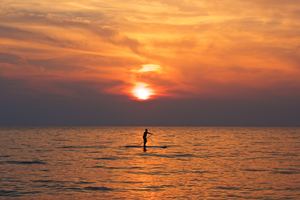
Livorno is a gritty city with a long and interesting history. In the early Middle Ages it alternately belonged to Pisa and Genoa. In 1421 Florence, seeking access to the sea, bought it. Cosimo I (1519–74) started construction of the harbor in 1571, putting Livorno on the map. After Ferdinando I de' Medici (1549–1609) proclaimed Livorno a free city, it became a haven for people suffering from religious persecution; Roman Catholics from England and Jews and Moors from Spain and Portugal, among others, settled here. The Quattro Mori (Four Moors), also known as the Monument to Ferdinando I, commemorates this. (The statue of Ferdinando I dates from 1595, the bronze Moors by Pietro Tacca from the 1620s.)In the following centuries, and particularly in the 18th, Livorno boomed as a port. In the 19th century the town drew a host of famous Britons passing through on their grand tours. Its prominence continued up to World War II, when it was heavily bombed. Much of the town's architecture, therefore, postdates the war, and it's somewhat difficult to imagine what it might have looked like before. Livorno has recovered from the war, however, as it's become a huge point of departure for container ships, as well as the only spot in Tuscany for cruise ships to dock for the day.Most of Livorno's artistic treasures date from the 17th century and aren't all that interesting unless you dote on obscure baroque artists. Livorno's most famous native artist, Amedeo Modigliani (1884–1920), was of much more recent vintage. Sadly, there's no notable work by him in his hometown.There may not be much in the way of art, but it's still worth strolling around the city. The Mercato Nuovo, which has been around since 1894, sells all sorts of fruits, vegetables, grains, meat, and fish. Outdoor markets nearby are also chock-full of local color. The presence of Camp Darby, an American military base just outside town, accounts for the availability of many American products.If you have time, Livorno is worth a stop for lunch or dinner at the very least.
Day 15
Civitavecchia , Italy
Monday, 03/07/2028
Italy's vibrant capital lives in the present, but no other city on earth evokes its past so powerfully. For over 2,500 years, emperors, popes, artists, and common citizens have left their mark here. Archaeological remains from ancient Rome, art-stuffed churches, and the treasures of Vatican City vie for your attention, but Rome is also a wonderful place to practice the Italian-perfected il dolce far niente, the sweet art of idleness. Your most memorable experiences may include sitting at a caffè in the Campo de' Fiori or strolling in a beguiling piazza.
Room Type & Prices
All prices per person based on double occupancy. Solo traveller prices — single occupancy. Contact our cruise experts for the latest availability and best fares.
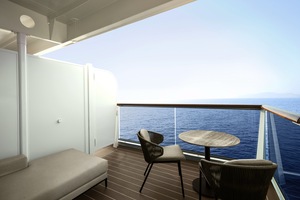
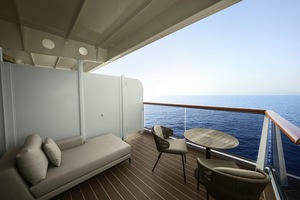
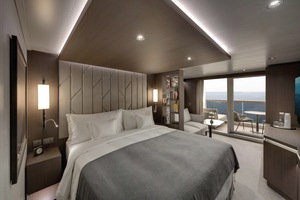
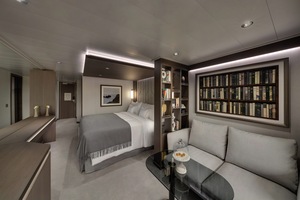
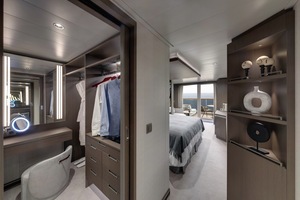
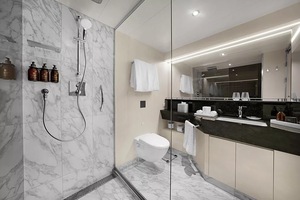
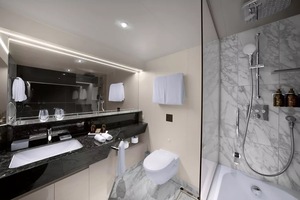
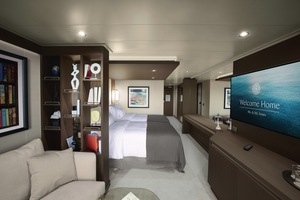
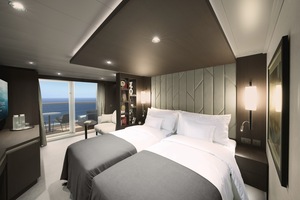
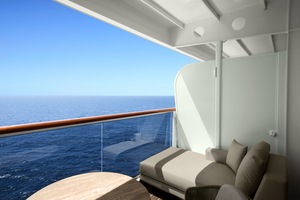
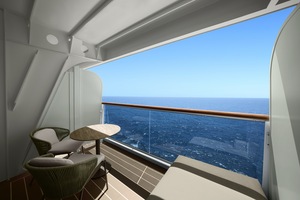
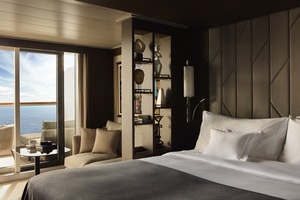
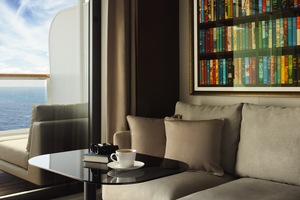
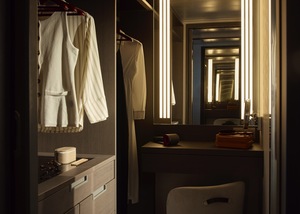
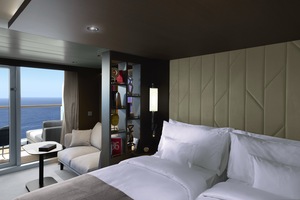
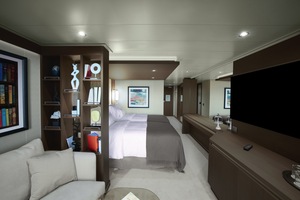
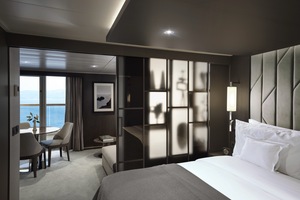
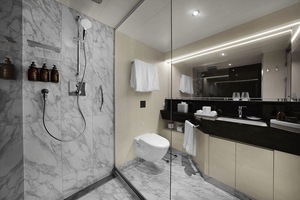
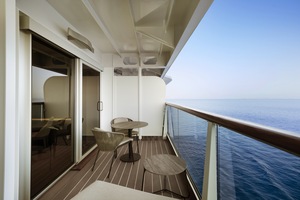
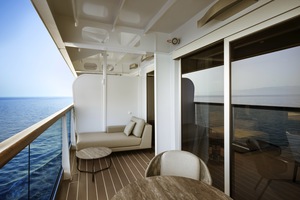
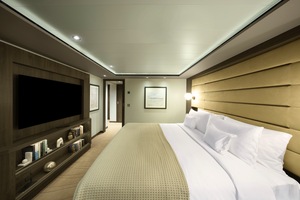
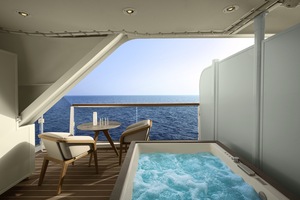
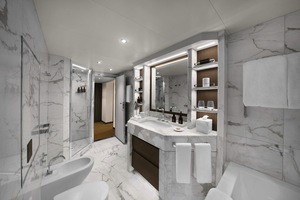
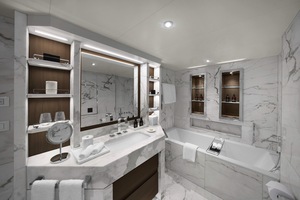
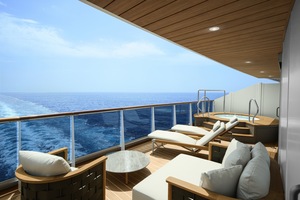
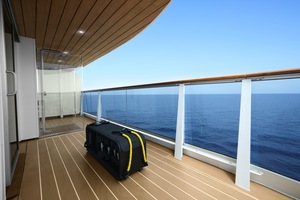
Ocean Terrace Suite
377–420 sqft · Up to 3 guests
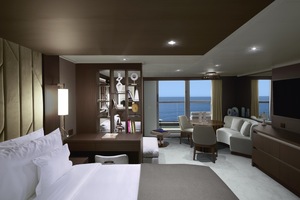
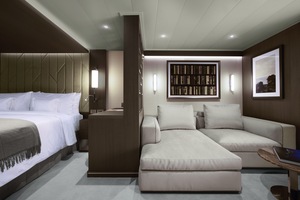
Ocean Grand Terrace Suite
377–420 sqft · Up to 3 guests
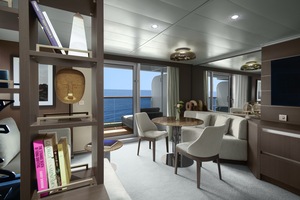
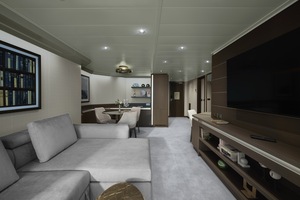
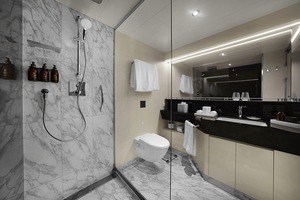
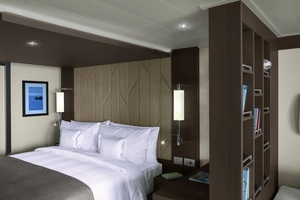
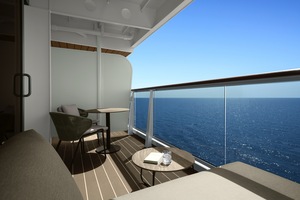
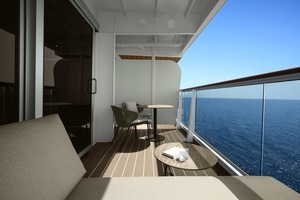
Penthouse
463–732 sqft · Up to 4 guests
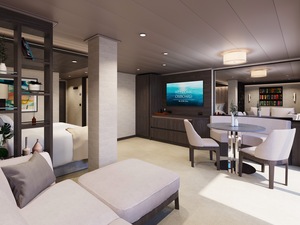
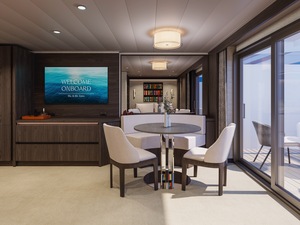
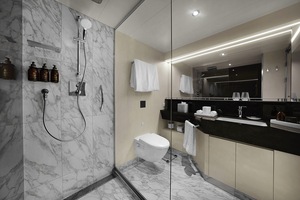
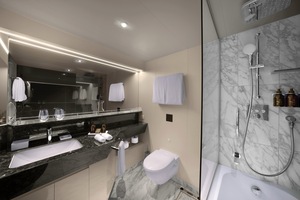
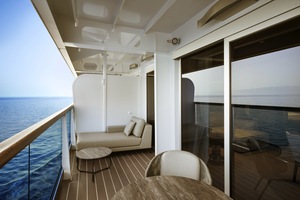
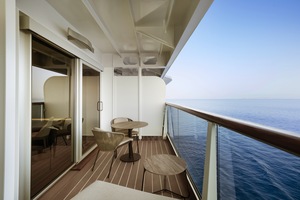
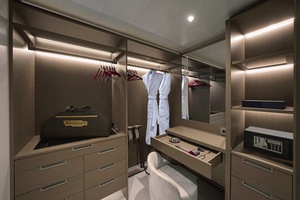
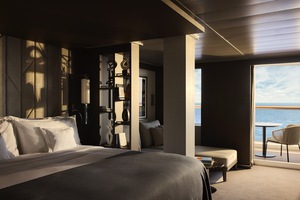
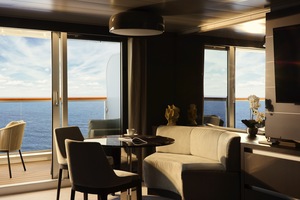
Deluxe Penthouse
463–732 sqft · Up to 4 guests
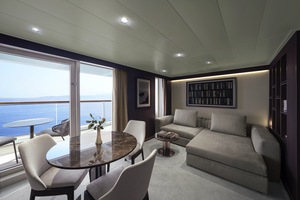
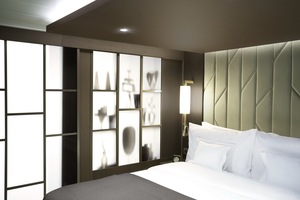
Premier Penthouse
463–732 sqft · Up to 4 guests
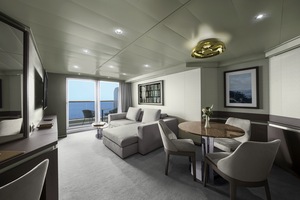
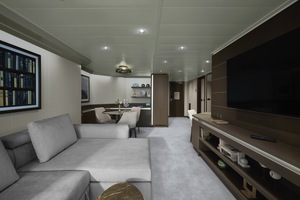
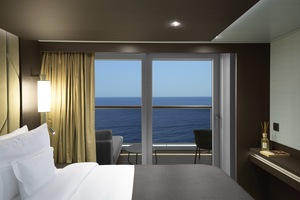
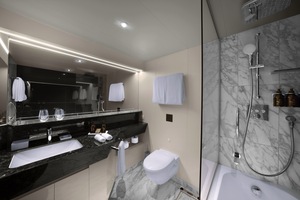
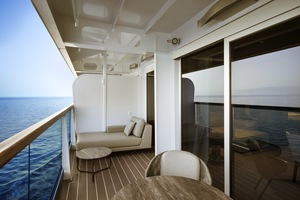
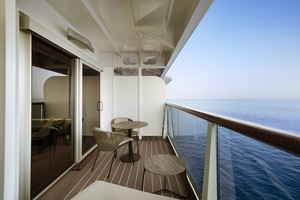
Grand Penthouse
463–732 sqft · Up to 4 guests
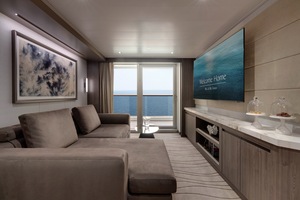
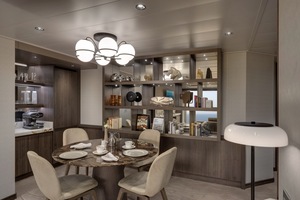
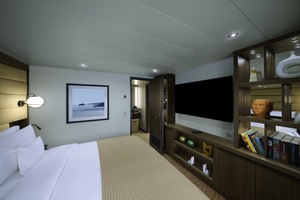
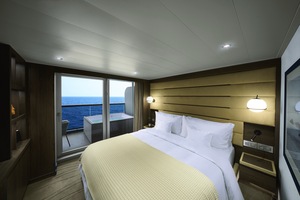
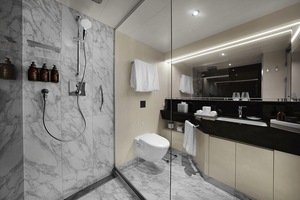
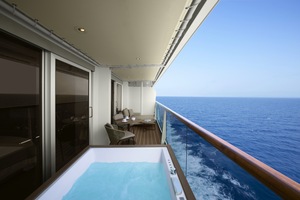
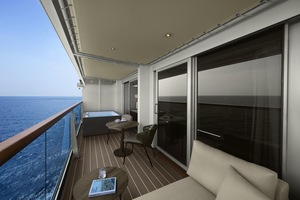
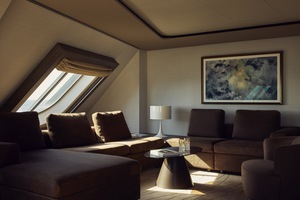
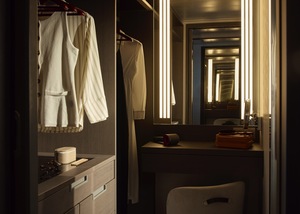
Cove Residence
753–1604 sqft · Up to 4 guests
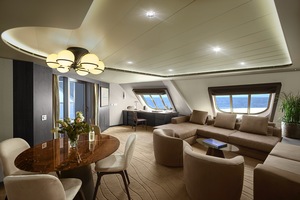
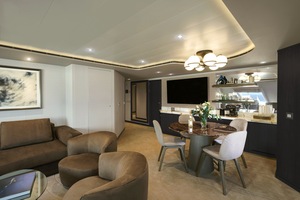
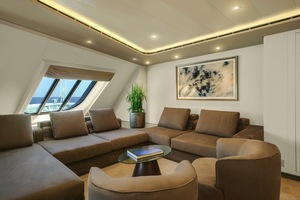
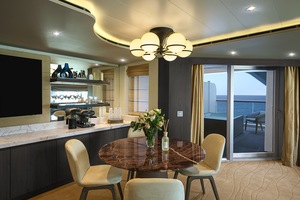
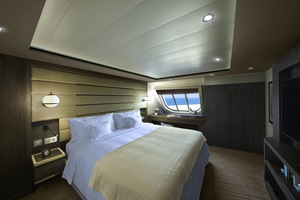
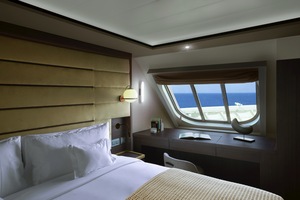
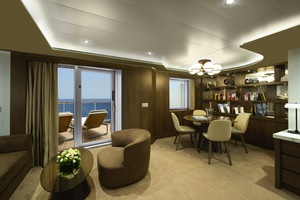
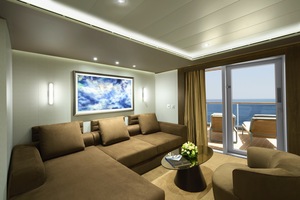
Retreat Residence
753–1604 sqft · Up to 4 guests
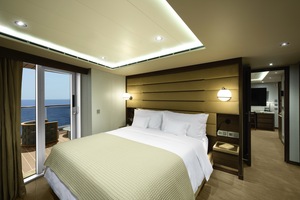
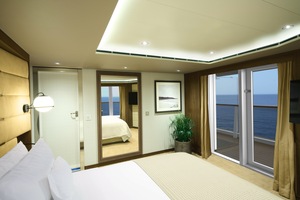
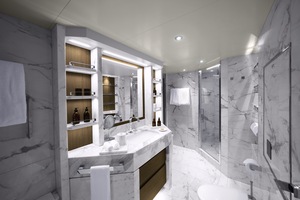
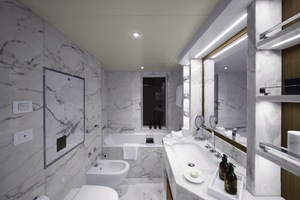
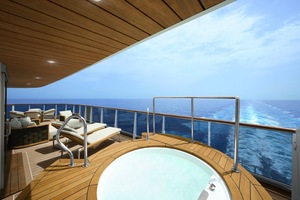
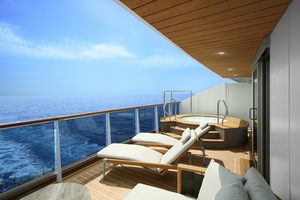
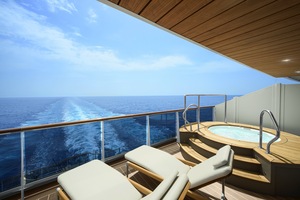
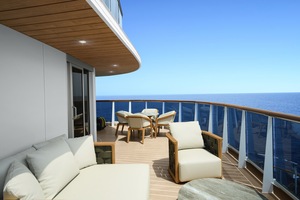
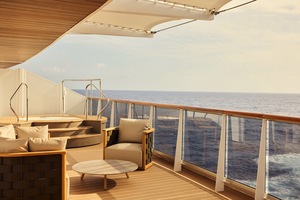
Serenity Residence
753–1601 sqft · Up to 4 guests
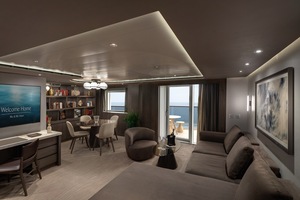
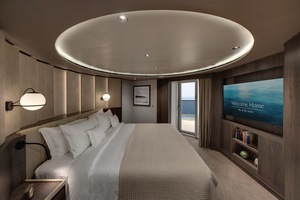
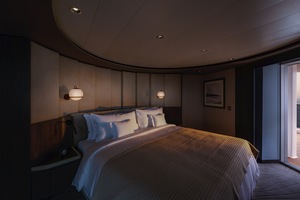
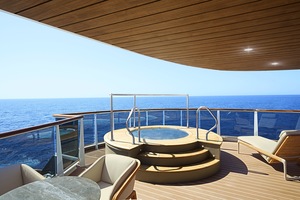
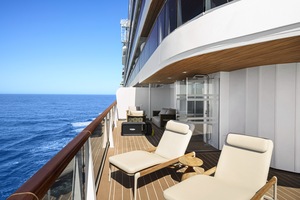
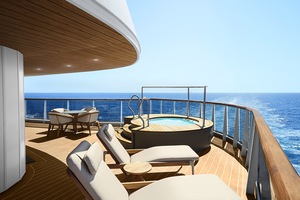
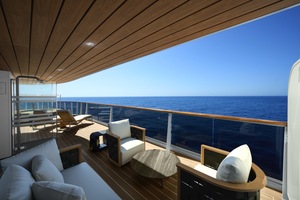
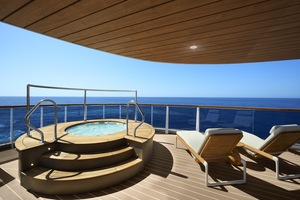
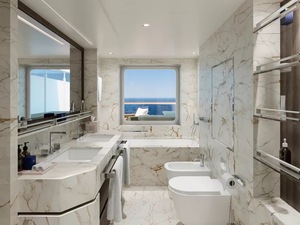
Cocoon Residence
753–1604 sqft · Up to 4 guests
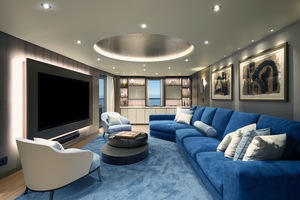
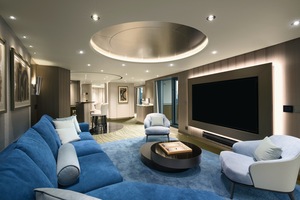
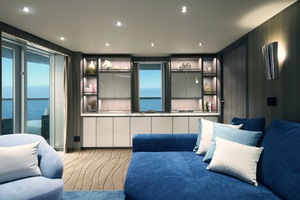
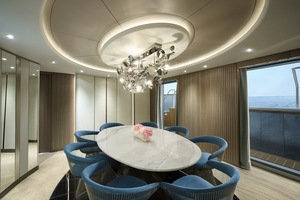
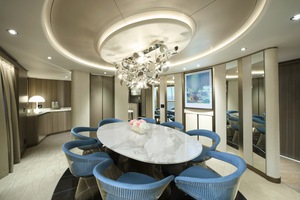
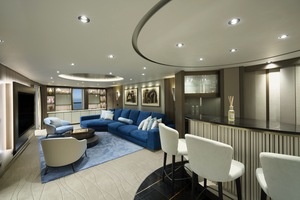
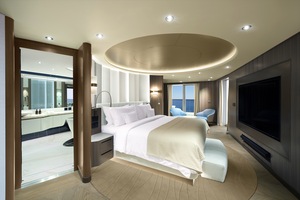
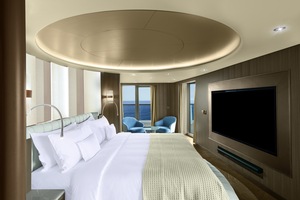
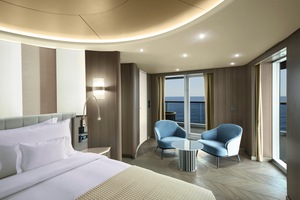
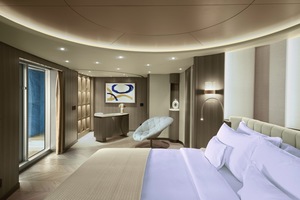
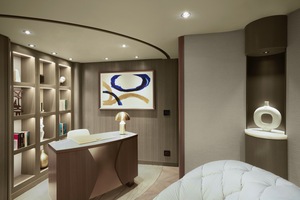
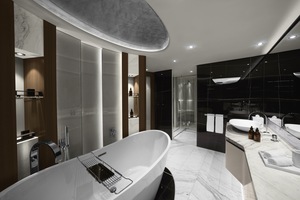
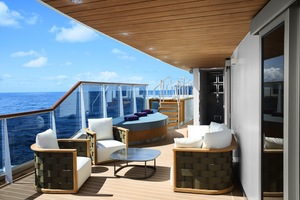
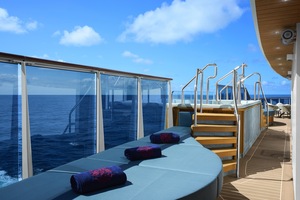
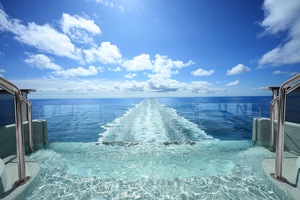
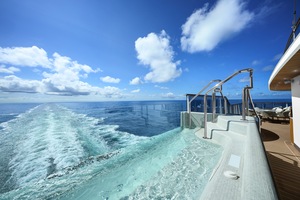
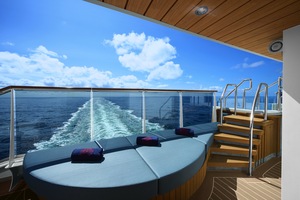
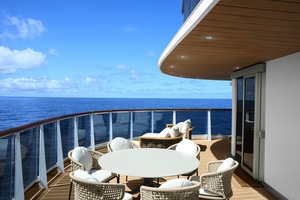
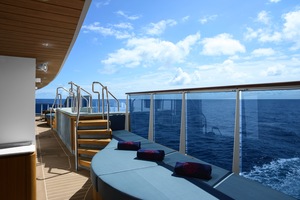
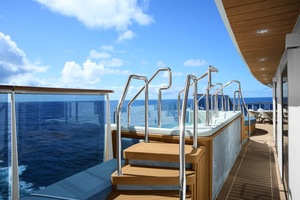
Owner's Residence
3014 sqft · Up to 4 guests
Suite
| Cabin | Grade | Per Person | Avail. | |
|---|---|---|---|---|
| Ocean Terrace Suite · 377–420 sqft | OT1 Ocean Terrace Suite OT1 | Enquire → | ||
| OT2 Ocean Terrace Suite OT2 | Enquire → | |||
| OT3 Ocean Terrace Suite OT3 | Enquire → | |||
| OT4 Ocean Terrace Suite OT4 | Enquire → | |||
| Ocean Grand Terrace Suite · 377–420 sqft | GT | Enquire → | ||
| Penthouse · 463–732 sqft | PH | Enquire → | ||
| Deluxe Penthouse · 463–732 sqft | DP | Enquire → | ||
| Premier Penthouse · 463–732 sqft | PP | Enquire → | ||
| Grand Penthouse · 463–732 sqft | GP | Enquire → | ||
| Cove Residence · 753–1604 sqft | CO | Enquire → | ||
| Retreat Residence · 753–1604 sqft | RR | Enquire → | ||
| Serenity Residence · 753–1601 sqft | SR | Enquire → | ||
| Cocoon Residence · 753–1604 sqft | CR | Enquire → | ||
| Owner's Residence · 3014 sqft | OR | Enquire → |
Ocean Terrace Suite · 377–420 sqft
OT1 Ocean Terrace Suite OT1
Ocean Terrace Suite · 377–420 sqft
OT2 Ocean Terrace Suite OT2
Ocean Terrace Suite · 377–420 sqft
OT3 Ocean Terrace Suite OT3
Ocean Terrace Suite · 377–420 sqft
OT4 Ocean Terrace Suite OT4
Ocean Grand Terrace Suite · 377–420 sqft
GT
Penthouse · 463–732 sqft
PH
Deluxe Penthouse · 463–732 sqft
DP
Premier Penthouse · 463–732 sqft
PP
Grand Penthouse · 463–732 sqft
GP
Cove Residence · 753–1604 sqft
CO
Retreat Residence · 753–1604 sqft
RR
Serenity Residence · 753–1601 sqft
SR
Cocoon Residence · 753–1604 sqft
CR
Owner's Residence · 3014 sqft
OR
More Departures
10 nights
A Journey Through Greece’s Icons to Italy’s Hidden Coastlines
19/10/2026
From
£4,930
21 nights
An Extended Journey of Returning Tides & New Shores
19/10/2026
From
£11,135
11 nights
A Journey of Beguiling Landscapes & Enchanting Mediterranean Delights
21/10/2026
From
£4,875
27 nights
A Grand Journey of Colourful Moroccan Shores & Idyllic Caribbean Scenery
21/10/2026
From
£10,950
8 nights
A Journey Through Moroccan Shores and Andalusian Spirit
24/10/2026
From
£4,590
14 nights
An Extended Journey of Maritime Soul & Island Zest
25/10/2026
From
£14,800
Your Ship
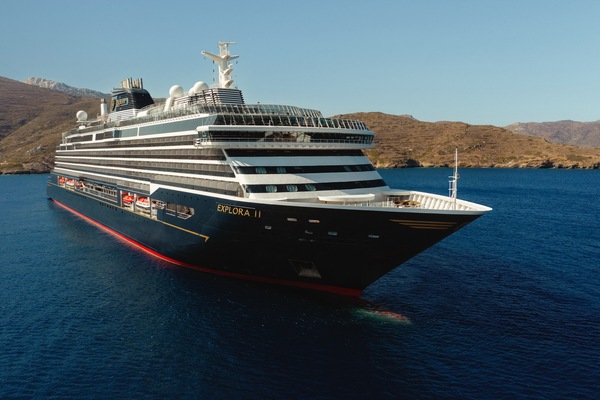
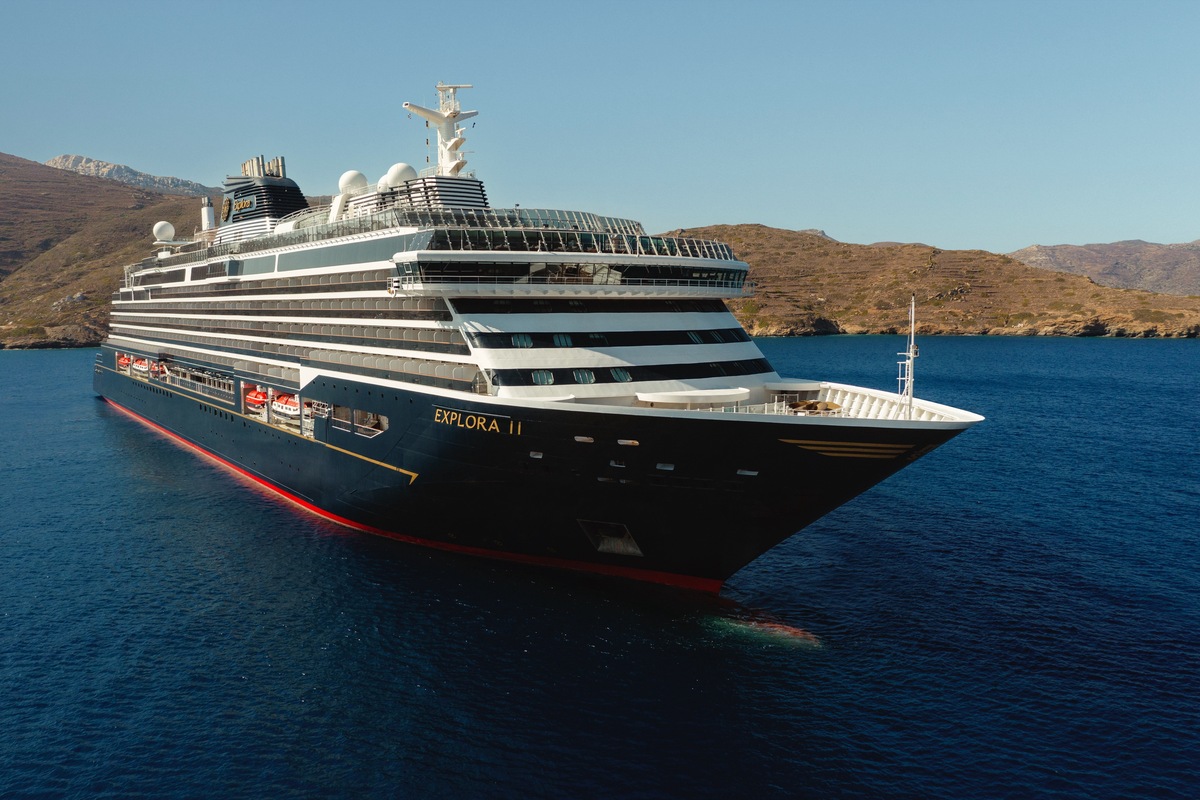
EXPLORA II
Discover EXPLORA II, a beautifully crafted haven, the epitome of vibrant, cosmopolitan European elegance – a floating home-away-from-home