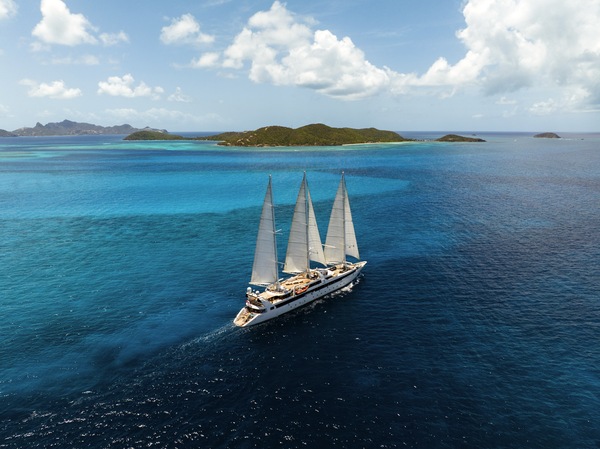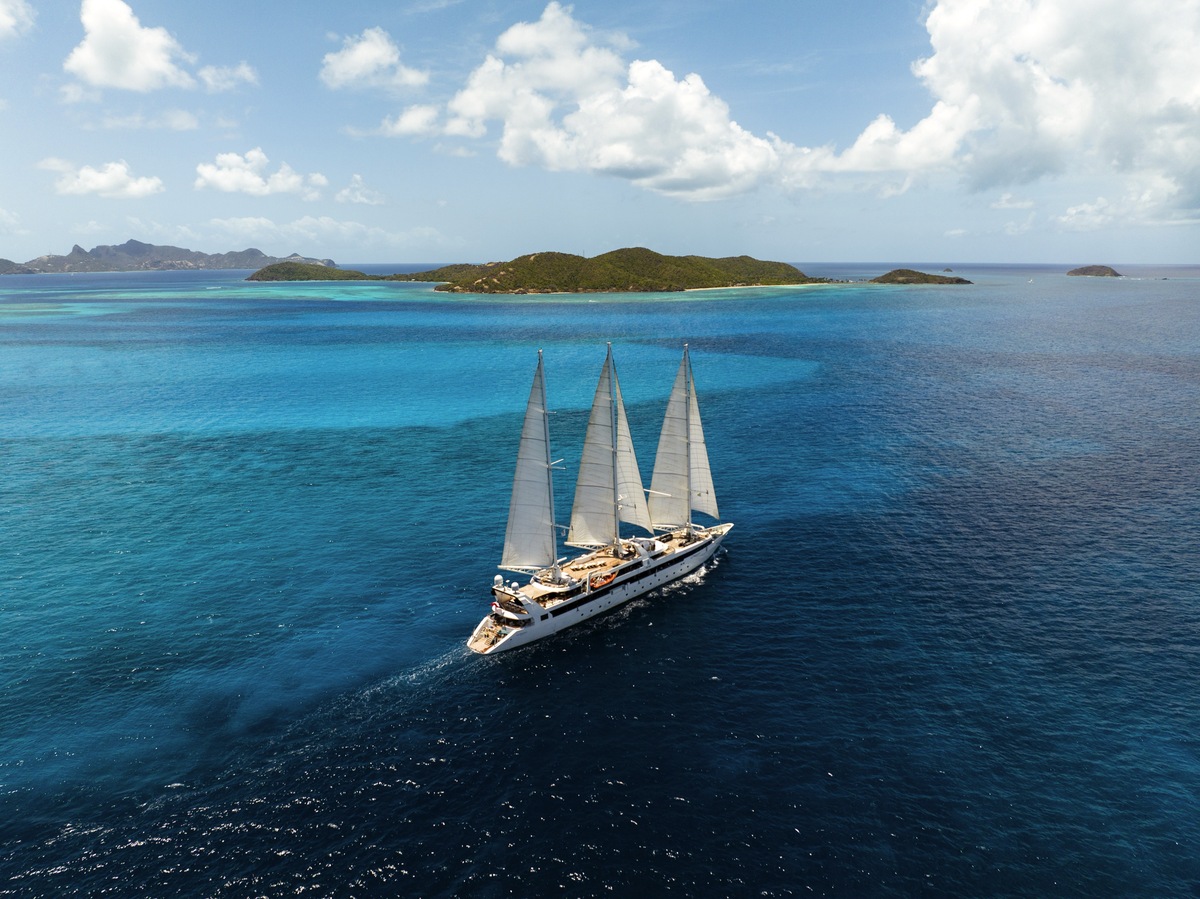
Croatia, Under Sail Aboard Le Ponant
Aboard Le Ponant, the first Relais & Châteaux sailing yacht, navigate off the beaten path and discover a luminous Adriatic, with its historic cities and preserved Dalmatian isl...
Cruise only — prices from Solo cruise only — from

Ports of Call & Itinerary
7-night voyage departing Dubrovnik.
Printable Itinerary (PDF)Route Map
Croatia, Under Sail Aboard Le Ponant
9 ports plotted · click a marker for details
Day 1
Dubrovnik , Croatia
Friday, 21/07/2028
Nothing can prepare you for your first sight of Dubrovnik. Lying 216 km (135 miles) southeast of Split and commanding a jaw-dropping coastal location, it is one of the world's most beautiful fortified cities. Its massive stone ramparts and fortress towers curve around a tiny harbor, enclosing graduated ridges of sun-bleached orange-tiled roofs, copper domes, and elegant bell towers. Your imagination will run wild picturing what it looked like seven centuries ago when the walls were built, without any suburbs or highways around it, just this magnificent stone city rising out of the sea.In the 7th century AD, residents of the Roman city Epidaurum (now Cavtat) fled the Avars and Slavs of the north and founded a new settlement on a small rocky island, which they named Laus, and later Ragusa. On the mainland hillside opposite the island, the Slav settlement called Dubrovnik grew up. In the 12th century the narrow channel separating the two settlements was filled in (now the main street through the Old Town, called Stradun), and Ragusa and Dubrovnik became one. The city was surrounded by defensive walls during the 13th century, and these were reinforced with towers and bastions in the late 15th century.From 1358 to 1808 the city thrived as a powerful and remarkably sophisticated independent republic, reaching its golden age during the 16th century. In 1667 many of its splendid Gothic and Renaissance buildings were destroyed by an earthquake. The defensive walls survived the disaster, and the city was rebuilt in baroque style.Dubrovnik lost its independence to Napoléon in 1808, and in 1815 passed to Austria-Hungary. During the 20th century, as part of Yugoslavia, the city became a popular tourist destination, and in 1979 it was listed as a UNESCO World Heritage Site. During the war for independence, it came under heavy siege. Thanks to careful restoration, few traces of damage remain; however, there are maps inside the Pile and Ploče Gates illustrating the points around the city where damage was done. It’s only when you experience Dubrovnik yourself that you can understand what a treasure the world nearly lost

Day 2
Hvar Island , Croatia
Saturday, 22/07/2028
The Croatian island of Hvar bills itself as the "sunniest island in the Adriatic." Not only does it have the figures to back up this claim—an annual average of 2,724 hours of sunshine—but it also makes visitors a sporting proposition, offering them a money-back guarantee if there are seven consecutive days of snow (snow has been known to fall here; the last time being February 2012).
Day 3
Komiza , Croatia
Sunday, 23/07/2028

Day 4
Korčula , Croatia
Monday, 24/07/2028
Off the coast of Croatia in the southern Adriatic Sea lie some thousand islands and the largest of them, Korçula, is considered the most beautiful. With an average of 3,000 hours of sunshine per annum, which guarantees a wide assortment of Mediterranean vegetation, it is not difficult to understand why seasoned travelers compare Korçula to a latter-day Eden. Separated from the mainland by a channel of only one mile, Korçula's main town, named the same as the island, ranks among the best preserved medieval towns in the Mediterranean. It is the island's main tourist, economic and cultural center. Thanks to its strategic location along the sea trade routes, Korçula has always attracted travelers and settlers. Korcula was founded by Greek colonists, who were followed by Illyrians, Romans and finally the Croats. The Korçula Statute of 1214 is one of the oldest legal documents to have been adopted in this part of Europe. The same century saw the birth of the famous world traveler, Marco Polo. The house said to be his birthplace can be seen in town. Korçulans have always been known as keen seafarers, excellent shipbuilders, stonemasons and artists. From their many voyages, sailors brought back new ideas, which eventually mixed with local customs. To this day, Korçula has maintained the tradition of performing knightly games such as the chivalrous Moreska dance, which has been in existence for more than 400 years. Visitors to Korçula enjoy its stunning location, natural beauty and medieval ambiance. And if that's not enough, the town offers numerous attractions that are within walking distance from the pier, including the City Museum and the Bishop's Treasury.
Day 5
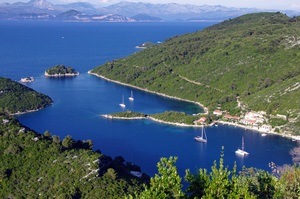
Mljet Island , Croatia
Tuesday, 25/07/2028
Day 6
Dubrovnik , Croatia
Wednesday, 26/07/2028
Nothing can prepare you for your first sight of Dubrovnik. Lying 216 km (135 miles) southeast of Split and commanding a jaw-dropping coastal location, it is one of the world's most beautiful fortified cities. Its massive stone ramparts and fortress towers curve around a tiny harbor, enclosing graduated ridges of sun-bleached orange-tiled roofs, copper domes, and elegant bell towers. Your imagination will run wild picturing what it looked like seven centuries ago when the walls were built, without any suburbs or highways around it, just this magnificent stone city rising out of the sea.In the 7th century AD, residents of the Roman city Epidaurum (now Cavtat) fled the Avars and Slavs of the north and founded a new settlement on a small rocky island, which they named Laus, and later Ragusa. On the mainland hillside opposite the island, the Slav settlement called Dubrovnik grew up. In the 12th century the narrow channel separating the two settlements was filled in (now the main street through the Old Town, called Stradun), and Ragusa and Dubrovnik became one. The city was surrounded by defensive walls during the 13th century, and these were reinforced with towers and bastions in the late 15th century.From 1358 to 1808 the city thrived as a powerful and remarkably sophisticated independent republic, reaching its golden age during the 16th century. In 1667 many of its splendid Gothic and Renaissance buildings were destroyed by an earthquake. The defensive walls survived the disaster, and the city was rebuilt in baroque style.Dubrovnik lost its independence to Napoléon in 1808, and in 1815 passed to Austria-Hungary. During the 20th century, as part of Yugoslavia, the city became a popular tourist destination, and in 1979 it was listed as a UNESCO World Heritage Site. During the war for independence, it came under heavy siege. Thanks to careful restoration, few traces of damage remain; however, there are maps inside the Pile and Ploče Gates illustrating the points around the city where damage was done. It’s only when you experience Dubrovnik yourself that you can understand what a treasure the world nearly lost
Day 6
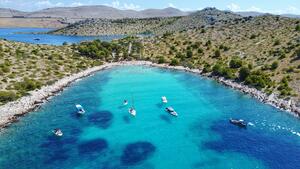
Sipan Island , Croatia
Wednesday, 26/07/2028
Lush, relaxed island resort with beaches, water sports, wine-making, bike rentals & hotels.
Day 7
Sailing in the Bay of Kotor
Thursday, 27/07/2028
Day 7
Kotor , Montenegro
Thursday, 27/07/2028
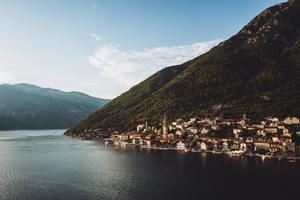
Backed by imposing mountains, tiny Kotor lies hidden from the open sea, tucked into the deepest channel of the Bokor Kotorska (Kotor Bay), which is Europe's most southerly fjord. To many, this town is more charming than its sister UNESCO World Heritage Site, Dubrovnik, retaining more authenticity, but with fewer tourists and spared the war damage and subsequent rebuilding which has given Dubrovnik something of a Disney feel.Kotor's medieval Stari Grad (Old Town) is enclosed within well-preserved defensive walls built between the 9th and 18th centuries and is presided over by a proud hilltop fortress. Within the walls, a labyrinth of winding cobbled streets leads through a series of splendid paved piazzas, rimmed by centuries-old stone buildings. The squares are now haunted by strains from buskers but although many now house trendy cafés and chic boutiques, directions are still given medieval-style by reference to the town’s landmark churches.In the Middle Ages, as Serbia's chief port, Kotor was an important economic and cultural center with its own highly regarded schools of stonemasonry and iconography. From 1391 to 1420 it was an independent city-republic and later, it spent periods under Venetian, Austrian, and French rule, though it was undoubtedly the Venetians who left the strongest impression on the city's architecture. Since the breakup of Yugoslavia, some 70% of the stone buildings in the romantic Old Town have been snapped up by foreigners, mostly Brits and Russians. Porto Montenegro, a new marina designed to accommodate some of the world’s largest super yachts, opened in nearby Tivat in 2011, and along the bay are other charming seaside villages, all with better views of the bay than the vista from Kotor itself where the waterside is congested with cruise ships and yachts. Try sleepy Muo or the settlement of Prčanj in one direction around the bay, or Perast and the Roman mosaics of Risan in the other direction.
Day 8
Dubrovnik , Croatia
Friday, 28/07/2028
Nothing can prepare you for your first sight of Dubrovnik. Lying 216 km (135 miles) southeast of Split and commanding a jaw-dropping coastal location, it is one of the world's most beautiful fortified cities. Its massive stone ramparts and fortress towers curve around a tiny harbor, enclosing graduated ridges of sun-bleached orange-tiled roofs, copper domes, and elegant bell towers. Your imagination will run wild picturing what it looked like seven centuries ago when the walls were built, without any suburbs or highways around it, just this magnificent stone city rising out of the sea.In the 7th century AD, residents of the Roman city Epidaurum (now Cavtat) fled the Avars and Slavs of the north and founded a new settlement on a small rocky island, which they named Laus, and later Ragusa. On the mainland hillside opposite the island, the Slav settlement called Dubrovnik grew up. In the 12th century the narrow channel separating the two settlements was filled in (now the main street through the Old Town, called Stradun), and Ragusa and Dubrovnik became one. The city was surrounded by defensive walls during the 13th century, and these were reinforced with towers and bastions in the late 15th century.From 1358 to 1808 the city thrived as a powerful and remarkably sophisticated independent republic, reaching its golden age during the 16th century. In 1667 many of its splendid Gothic and Renaissance buildings were destroyed by an earthquake. The defensive walls survived the disaster, and the city was rebuilt in baroque style.Dubrovnik lost its independence to Napoléon in 1808, and in 1815 passed to Austria-Hungary. During the 20th century, as part of Yugoslavia, the city became a popular tourist destination, and in 1979 it was listed as a UNESCO World Heritage Site. During the war for independence, it came under heavy siege. Thanks to careful restoration, few traces of damage remain; however, there are maps inside the Pile and Ploče Gates illustrating the points around the city where damage was done. It’s only when you experience Dubrovnik yourself that you can understand what a treasure the world nearly lost
Room Type & Prices
All prices per person based on double occupancy. Solo traveller prices — single occupancy. Contact our cruise experts for the latest availability and best fares.
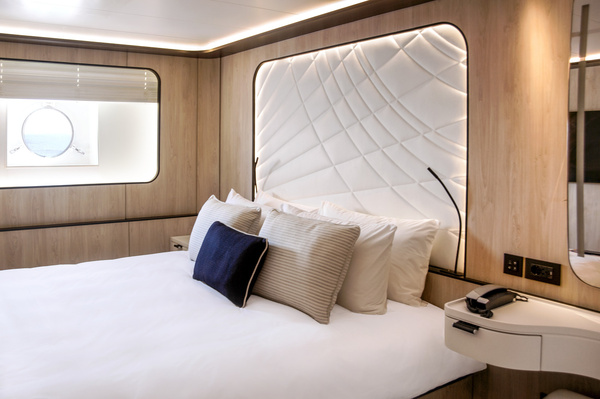
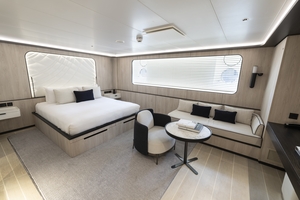
Window or Porthole Stateroom
150 sqft · Up to 2 guests




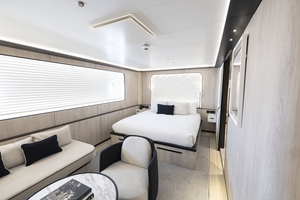
Upper decks balcony stateroom
172 sqft · Up to 2 guests

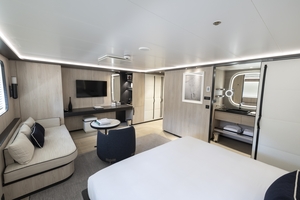
Junior Suite
226 sqft · Up to 2 guests
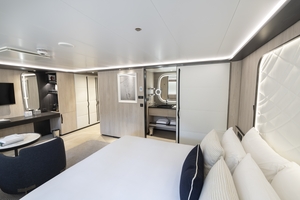
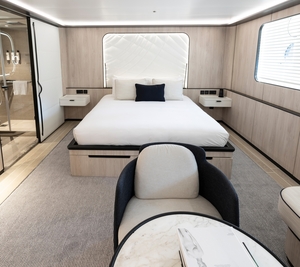
Prestige Suite
290 sqft · Up to 2 guests


Privilege suite
522 sqft · Up to 3 guests
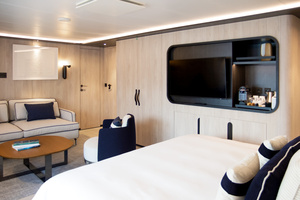

Grand Privilege Suite
527 sqft · Up to 5 guests
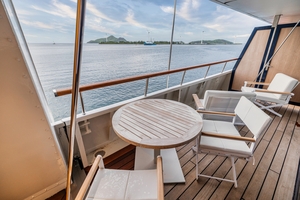

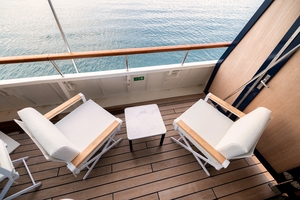
Owner's Suite
505 sqft · Up to 3 guests
Oceanview
| Cabin | Grade | Per Person | Avail. | |
|---|---|---|---|---|
| Window or Porthole Stateroom · 150 sqft | MG Mistral Stateroom | Enquire → |
Window or Porthole Stateroom · 150 sqft
MG Mistral Stateroom
Balcony
| Cabin | Grade | Per Person | Avail. | |
|---|---|---|---|---|
| Upper decks balcony stateroom · 172 sqft | MGP Mistral Prestige Stateroom | Enquire → | ||
| SB Alizes Stateroom | Enquire → | |||
| SBP Alizes Prestige Stateroom | Enquire → | |||
| GPV Alizes Grand Privilege Suite | Enquire → |
Upper decks balcony stateroom · 172 sqft
MGP Mistral Prestige Stateroom
Upper decks balcony stateroom · 172 sqft
SB Alizes Stateroom
Upper decks balcony stateroom · 172 sqft
SBP Alizes Prestige Stateroom
Upper decks balcony stateroom · 172 sqft
GPV Alizes Grand Privilege Suite
Suite
| Cabin | Grade | Per Person | Avail. | |
|---|---|---|---|---|
| Junior Suite · 226 sqft | JS Mistral Junior Suite | Enquire → | ||
| Prestige Suite · 290 sqft | PS Mistral Prestige Suite | Enquire → | ||
| Privilege suite · 522 sqft | PV Alizes Privilege Suite | Enquire → | ||
| Grand Privilege Suite · 527 sqft | GPV Alizes Grand Privilege Suite | Enquire → | ||
| Owner's Suite · 505 sqft | SA Zephyr Owner Suite | Enquire → |
Junior Suite · 226 sqft
JS Mistral Junior Suite
Prestige Suite · 290 sqft
PS Mistral Prestige Suite
Privilege suite · 522 sqft
PV Alizes Privilege Suite
Grand Privilege Suite · 527 sqft
GPV Alizes Grand Privilege Suite
Owner's Suite · 505 sqft
SA Zephyr Owner Suite
More Departures
7 nights
Cruising Southern Spain and Portugal – with Smithsonian Journeys
17/10/2026
Solo From
£8,690
From
£5,610
7 nights
A Symphony at Sea: The Musical Traditions of Greece
18/10/2026
Solo From
£14,760
From
£7,730
14 nights
Secret Polynesia: Unexplored Tuamotu, the Gambier Islands and the Austral Islands
18/10/2026
Solo From
£19,380
From
£10,230
10 nights
From Panama’s wild beauty to Peruvian shores
20/10/2026
Solo From
£5,140
From
£4,770
7 nights
Ancient Cities of the Mediterranean
22/10/2026
Solo From
£16,120
From
£10,930
19 nights
Ocean Voyage: Lisbonne - Buenos Aires
24/10/2026
Solo From
£5,880
From
£5,500
Your Ship
Le Ponant
Sail on board the world's first sailboat to achieve the Relais & Châteaux label, combining refinement, serenity and navigation in harmony with the elements.