Maxim Vengerov et ses amis
Experience the rare luxury of having all the time in the world, during a summer holiday on the Atlantic coast. Whether during a stopover or an overnight stay, enjoy the fresh air a...
Cruise only — prices from Solo cruise only — from

Ports of Call & Itinerary
9-night voyage departing Bordeaux, arriving Lisbon.
Printable Itinerary (PDF)Route Map
Maxim Vengerov et ses amis
9 ports plotted · click a marker for details
Day 1
Bordeaux , France
Wednesday, 23/08/2028
Bordeaux as a whole, rather than any particular points within it, is what you'll want to visit in order to understand why Victor Hugo described it as Versailles plus Antwerp, and why the painter Francisco de Goya, when exiled from his native Spain, chose it as his last home (he died here in 1828). The capital of southwest France and the region's largest city, Bordeaux remains synonymous with the wine trade: wine shippers have long maintained their headquarters along the banks of the Garonne, while buyers from around the world arrive for the huge biennial Vinexpo show (held in odd-number years).Bordeaux is, admittedly, a less exuberant city than many others in France, but lively and stylish elements are making a dent in its conservative veneer. The cleaned-up riverfront is said by some, after a bottle or two, to exude an elegance reminiscent of St. Petersburg, and that aura of 18th-century élan also permeates the historic downtown sector—“le vieux Bordeaux"—where fine shops invite exploration. To the south of the city center are old docklands undergoing renewal—one train station has now been transformed into a big multiplex movie theater—but the area is still a bit shady. To get a feel for the historic port of Bordeaux, take the 90-minute boat trip that leaves Quai Louis-XVIII every weekday afternoon, or the regular passenger ferry that plies the Garonne between Quai Richelieu and the Pont d'Aquitaine in summer. A nice time to stroll around the city center is the first Sunday of the month, when it's pedestrian-only and vehicles are banned.
Day 2
Sailing on the Gironde
Thursday, 24/08/2028
Day 3
Saint-Jean-de-Luz , France
Friday, 25/08/2028
Day 4
Santander , Spain
Saturday, 26/08/2028
Day 5
Aviles , Spain
Sunday, 27/08/2028

Day 6
La Coruña , Spain
Monday, 28/08/2028
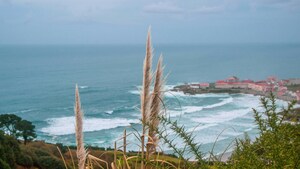
La Coruña, the largest city in Spain's Galicia region, is among the country's busiest ports. The remote Galicia area is tucked into the northwest corner of the Iberian Peninsula, surprising visitors with its green and misty countryside that is so much unlike other parts of Spain. The name "Galicia" is Celtic in origin, for it was the Celts who occupied the region around the 6th-century BC and erected fortifications. La Coruña was already considered an important port under the Romans. They were followed by an invasion of Suevians, Visigoths and, much later in 730, the Moors. It was after Galicia was incorporated into the Kingdom of Asturias that the epic saga of the Pilgrimage to Santiago (St. James) began. From the 15th century, overseas trade developed rapidly; in 1720, La Coruña was granted the privilege of trading with America - a right previously only held by Cadiz and Seville. This was the great era when adventurous men voyaged to the colonies and returned with vast riches. Today, the city's significant expansion is evident in three distinct quarters: the town centre located along the isthmus; the business and commercial centre with wide avenues and shopping streets; and the "Ensanche" to the south, occupied by warehouses and factories. Many of the buildings in the old section feature the characteristic glazed façades that have earned La Coruña the name "City of Crystal." Plaza Maria Pita, the beautiful main square, is named after the local heroine who saved the town in 1589 when she seized the English standard from the beacon and gave the alarm, warning her fellow townsmen of the English attack.
Day 7
La Coruña , Spain
Tuesday, 29/08/2028
La Coruña, the largest city in Spain's Galicia region, is among the country's busiest ports. The remote Galicia area is tucked into the northwest corner of the Iberian Peninsula, surprising visitors with its green and misty countryside that is so much unlike other parts of Spain. The name "Galicia" is Celtic in origin, for it was the Celts who occupied the region around the 6th-century BC and erected fortifications. La Coruña was already considered an important port under the Romans. They were followed by an invasion of Suevians, Visigoths and, much later in 730, the Moors. It was after Galicia was incorporated into the Kingdom of Asturias that the epic saga of the Pilgrimage to Santiago (St. James) began. From the 15th century, overseas trade developed rapidly; in 1720, La Coruña was granted the privilege of trading with America - a right previously only held by Cadiz and Seville. This was the great era when adventurous men voyaged to the colonies and returned with vast riches. Today, the city's significant expansion is evident in three distinct quarters: the town centre located along the isthmus; the business and commercial centre with wide avenues and shopping streets; and the "Ensanche" to the south, occupied by warehouses and factories. Many of the buildings in the old section feature the characteristic glazed façades that have earned La Coruña the name "City of Crystal." Plaza Maria Pita, the beautiful main square, is named after the local heroine who saved the town in 1589 when she seized the English standard from the beacon and gave the alarm, warning her fellow townsmen of the English attack.
Day 8
Vigo , Spain
Wednesday, 30/08/2028
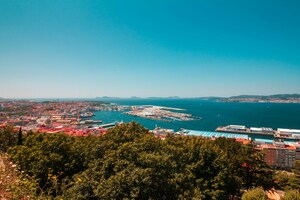
Dating from Roman times, the Galician city of Vigo has a fine natural harbour and is renowned as the biggest fishing port in the world. It is also full of history - it was in this fjord-like quay that the English and Dutch defeated the French and Spanish fleets in 1702. Today, the attractive marinas stand in contrast to the industrialised areas of the city, while further exploration will reveal the characteristic 17th-century architecture and attractive countryside beyond. The charming Old Town is a delight, with its labyrinth of winding narrow streets and shaded squares. Nearby is the Cathedral city of Tui, and further to the north is the pilgrimage centre of Santiago de Compostela, which can be reached by car in approximately 1¼ hours.
Day 9
Leixões , Portugal
Thursday, 31/08/2028
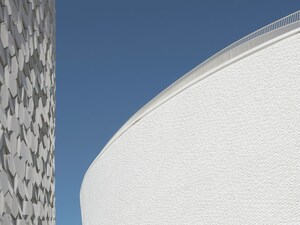
Ever since the Romans constructed a fort here and began using it as a trading post, Oporto has been a prosperous commercial centre. In the 15th and 16th centuries the city benefited from the wealth generated by Portugal’s maritime discoveries, and later, the establishment of a lucrative wine trade with Britain compensated for the loss of the spice trade. Today, Portugal’s second-largest city is a thriving, cosmopolitan place and is famous for its production of the fortified, sweet 'port' wine. Its historic centre is a UNESCO World Heritage Site and the city was also awarded the status of European Capital of Culture in 2001. A large sandbar prevents ships from sailing into Oporto itself, so for over a century they have used nearby Leixões instead, a man-made seaport constructed nine miles from the city. Leixões is one of Portugal's major sea ports and is also home to one of the country's oldest football clubs, winners of the Taça de Portugal cup in 1961.
Day 10
Lisbon , Portugal
Friday, 01/09/2028
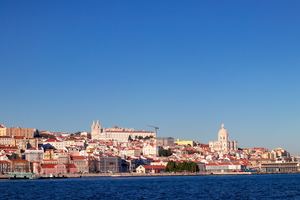
Set on seven hills on the banks of the River Tagus, Lisbon has been the capital of Portugal since the 13th century. It is a city famous for its majestic architecture, old wooden trams, Moorish features and more than twenty centuries of history. Following disastrous earthquakes in the 18th century, Lisbon was rebuilt by the Marques de Pombal who created an elegant city with wide boulevards and a great riverfront and square, Praça do Comércio. Today there are distinct modern and ancient sections, combining great shopping with culture and sightseeing in the Old Town, built on the city's terraced hillsides. The distance between the ship and your tour vehicle may vary. This distance is not included in the excursion grades.
Room Type & Prices
All prices per person based on double occupancy. Solo traveller prices — single occupancy. Contact our cruise experts for the latest availability and best fares.
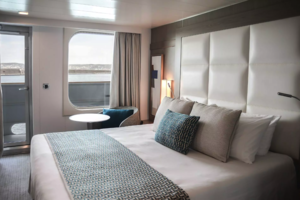

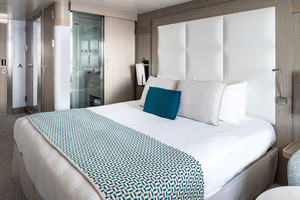
Lower Deck Balcony Stateroom
193 sqft · Up to 2 guests
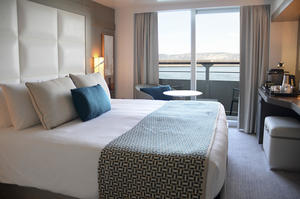
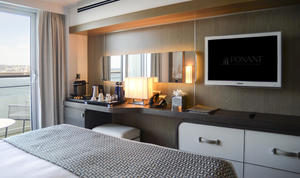
Upper Decks Balcony Stateroom
193 sqft · Up to 2 guests
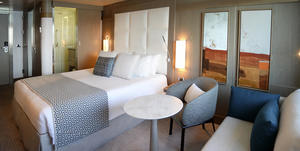
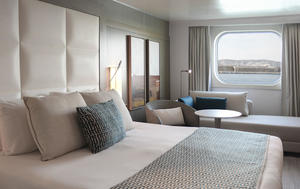
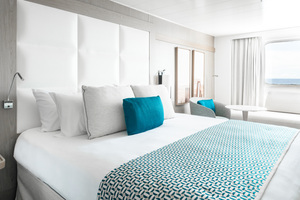
Window or Porthole Stateroom
226 sqft · Up to 3 guests
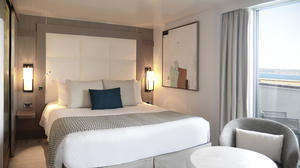
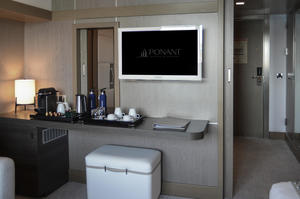
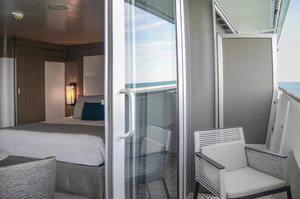
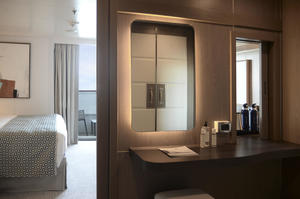
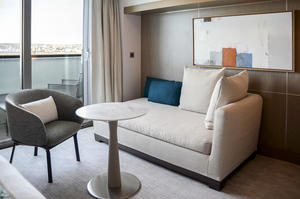
Deluxe Suite
290 sqft · Up to 2 guests
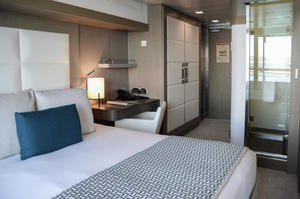
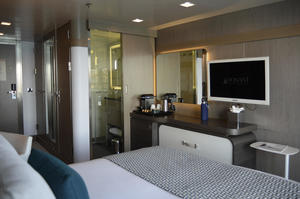
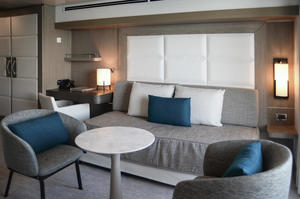
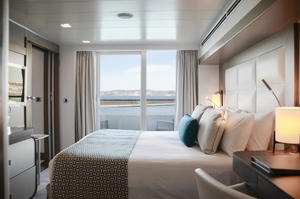
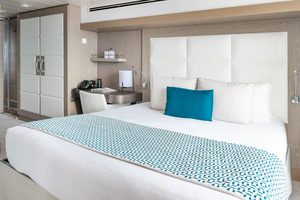
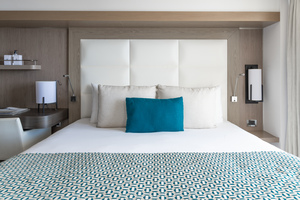
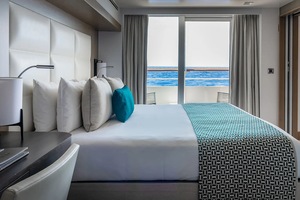
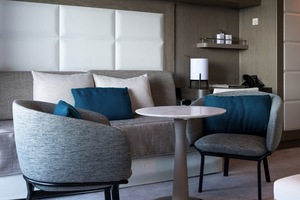
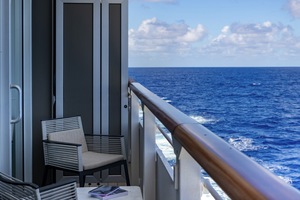
Prestige Suite
398 sqft · Up to 4 guests
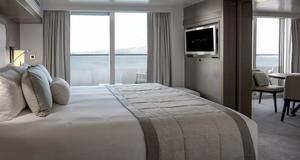
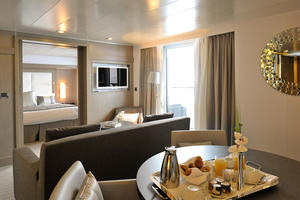
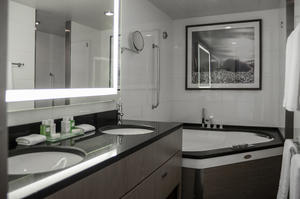
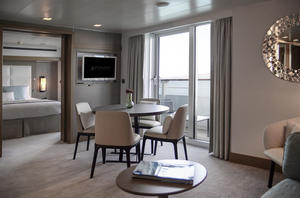
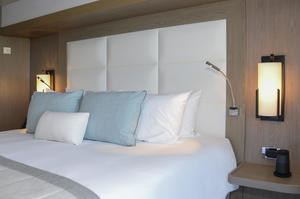
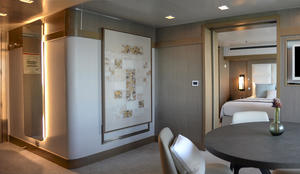
Owner's Suite
484 sqft · Up to 2 guests
Oceanview
| Cabin | Grade | Per Person | Avail. | |
|---|---|---|---|---|
| Lower Deck Balcony Stateroom · 193 sqft | DEL Deluxe Stateroom | Enquire → | ||
| Upper Decks Balcony Stateroom · 193 sqft | PR4 Prestige Stateroom Deck 4 | Enquire → | ||
| PR5 Prestige Stateroom Deck 5 | Enquire → | |||
| PR6 Prestige Stateroom Deck 6 | Enquire → |
Lower Deck Balcony Stateroom · 193 sqft
DEL Deluxe Stateroom
Upper Decks Balcony Stateroom · 193 sqft
PR4 Prestige Stateroom Deck 4
Upper Decks Balcony Stateroom · 193 sqft
PR5 Prestige Stateroom Deck 5
Upper Decks Balcony Stateroom · 193 sqft
PR6 Prestige Stateroom Deck 6
More Departures
7 nights
Cruising Southern Spain and Portugal – with Smithsonian Journeys
17/10/2026
Solo From
£8,690
From
£5,610
7 nights
A Symphony at Sea: The Musical Traditions of Greece
18/10/2026
Solo From
£14,760
From
£7,730
14 nights
Secret Polynesia: Unexplored Tuamotu, the Gambier Islands and the Austral Islands
18/10/2026
Solo From
£19,380
From
£10,230
10 nights
From Panama’s wild beauty to Peruvian shores
20/10/2026
Solo From
£5,140
From
£4,770
7 nights
Ancient Cities of the Mediterranean
22/10/2026
Solo From
£16,120
From
£10,930
19 nights
Ocean Voyage: Lisbonne - Buenos Aires
24/10/2026
Solo From
£5,880
From
£5,500
Your Ship
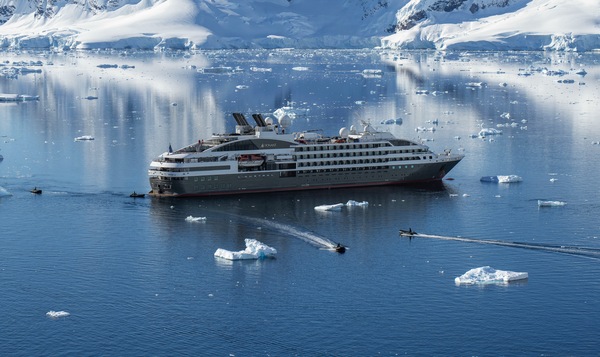
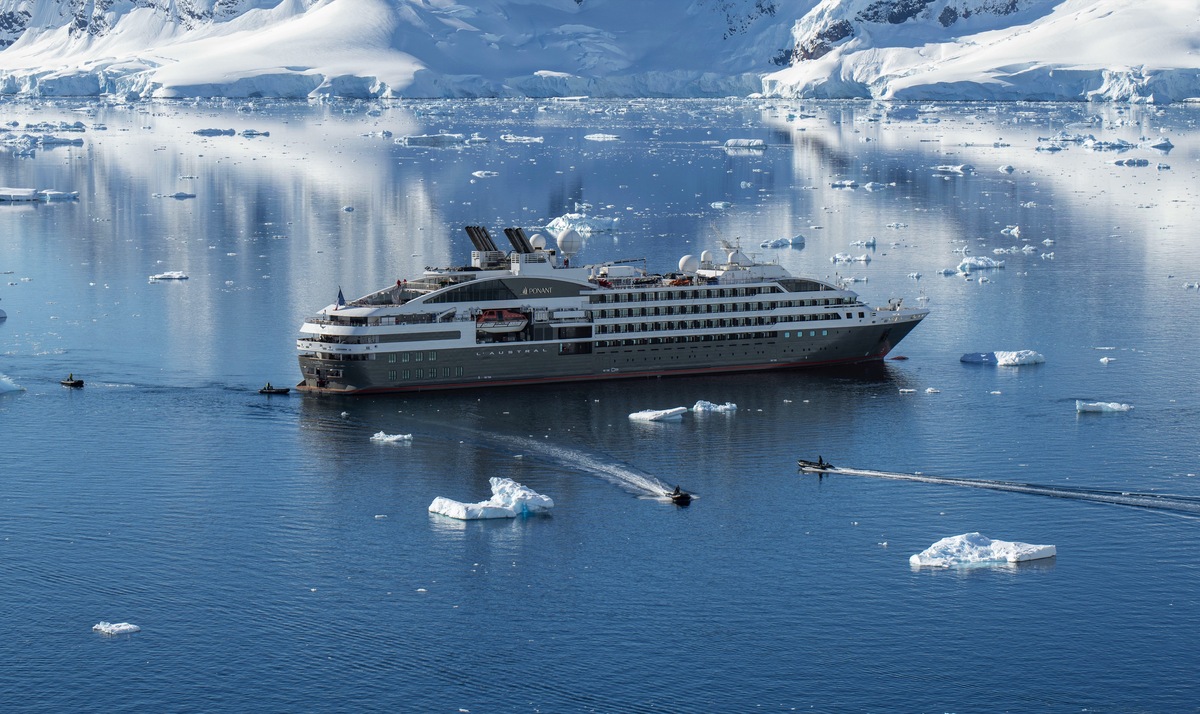
L'Austral
L’Austral have access to isolated locations or ports reserved for small units. They are faithful to the PONANT EXPLORATIONS DNA: exploring the world with a constantly renewed curiosity.