Tanzania and Seychelles: Natural Treasures of the Indian Ocean – with Smithsonian Journeys
In alliance with Smithsonian Journeys. This cruise is part of a collection of PONANT voyages that are specially-tailored for English-speaking travelers who want to engage with the...
Cruise only — prices from Solo cruise only — from

Ports of Call & Itinerary
12-night voyage departing Zanzibar, arriving Victoria, Mahé.
Printable Itinerary (PDF)Route Map
Tanzania and Seychelles: Natural Treasures of the Indian Ocean – with Smithsonian Journeys
10 ports plotted · click a marker for details
Day 1
Zanzibar , Tanzania
Friday, 05/01/2029
This ancient isle once ruled by sultans and slave traders served as the stepping stone into the African continent for missionaries and explorers. Today it attracts visitors intent on discovering sandy beaches, pristine rain forests, or colorful coral reefs. Once known as the Spice Island for its export of cloves, Zanzibar has become one of the most exotic flavors in travel, better than Bali or Mali when it comes to beauty that’ll make your jaw drop.Separated from the mainland by a channel only 35 km (22 miles) wide, and only 6 degrees south of the equator, this tiny archipelago—the name Zanzibar also includes the islands of Unguja (the main island) and Pemba—in the Indian Ocean was the launching base for a romantic era of expeditions into Africa. Sir Richard Burton and John Hanning Speke used it as their base when searching for the source of the Nile. It was in Zanzibar where journalist Henry Morton Stanley, perched in an upstairs room overlooking the Stone Town harbor, began his search for David Livingstone.The first ships to enter the archipelago's harbors are believed to have sailed in around 600 BC. Since then, every great navy in the Eastern Hemisphere has dropped anchor here at one time or another. But it was Arab traders who left an indelible mark. Minarets punctuate the skyline of Stone Town, where more than 90% of the residents are Muslim. In the harbor you'll see dhows, the Arabian boats with triangular sails. Islamic women covered by black boubou veils scurry down alleyways so narrow their outstretched arms could touch buildings on both sides. Stone Town received its odd name because most of its buildings were made of limestone and coral, which means exposure to salty air has eroded many foundations.The first Europeans who arrived here were the Portuguese in the 15th century, and thus began a reign of exploitation. As far inland as Lake Tanganyika, slave traders captured the residents or bartered for them from their own chiefs, then forced the newly enslaved to march toward the Indian Ocean carrying loads of ivory tusks. Once at the shore they were shackled together while waiting for dhows to collect them at Bagamoyo, a place whose name means, "here I leave my heart." Although it's estimated that 50,000 slaves passed through the Zanzibar slave market each year during the 19th century, many more died en route.Tanganyika and Zanzibar merged in 1964 to create Tanzania, but the honeymoon was brief. Zanzibar's relationship with the mainland remains uncertain as calls for independence continue. "Bismillah, will you let him go," a lyric from Queen's "Bohemian Rhapsody," has become a rebel chant for Zanzibar to break from Tanzania.Zanzibar Island, locally known as Unguja, has amazing beaches and resorts, decent dive spots, acres of spice plantations, the Jozani Forest Reserve, and Stone Town. Plus, it takes little more than an hour to fly there. It's a popular spot to head post-safari.Stone Town, the archipelago's major metropolis, is a maze of narrow streets lined with houses featuring magnificently carved doors studded with brass. There are 51 mosques, 6 Hindu temples, and 2 Christian churches. And though it can rightly be called a city, much of the western part of the larger island is a slumbering paradise where cloves, as well as rice and coconuts, still grow.Although the main island of Unguja feels untouched by the rest of the world, the nearby islands of Pemba and Mnemba offer retreats that are even more remote. For many years Arabs referred to Pemba as Al Khudra, or the Green Island, and indeed it still is, with forests of king palms, mangos, and banana trees. The 65-km-long (40-mile-long) island is less famous than Unguja except among scuba divers, who enjoy the coral gardens with colorful sponges and huge fans. Archaeology buffs are also discovering Pemba, where sites from the 9th to the 15th century have been unearthed. At Mtambwe Mkuu coins bearing the heads of sultans were discovered. Ruins along the coast include ancient mosques and tombs. In the 1930s Pemba was famous for its sorcerers, attracting disciples of the black arts from as far away as Haiti. Witchcraft is still practiced, and, oddly, so is bullfighting. Introduced by the Portuguese in the 17th century, the sport has been improved by locals, who rewrote the ending. After enduring the ritual teasing by the matador's cape, the bull is draped with flowers and paraded around the village.Beyond Pemba, smaller islands in the Zanzibar Archipelago range from mere sandbanks to Changu, once a prison island and now home to the giant Aldabra tortoise, Chumbe Island, and Mnemba, a private retreat for guests who pay hundreds of dollars per day to get away from it all.

Day 2
Zanzibar , Tanzania
Saturday, 06/01/2029
This ancient isle once ruled by sultans and slave traders served as the stepping stone into the African continent for missionaries and explorers. Today it attracts visitors intent on discovering sandy beaches, pristine rain forests, or colorful coral reefs. Once known as the Spice Island for its export of cloves, Zanzibar has become one of the most exotic flavors in travel, better than Bali or Mali when it comes to beauty that’ll make your jaw drop.Separated from the mainland by a channel only 35 km (22 miles) wide, and only 6 degrees south of the equator, this tiny archipelago—the name Zanzibar also includes the islands of Unguja (the main island) and Pemba—in the Indian Ocean was the launching base for a romantic era of expeditions into Africa. Sir Richard Burton and John Hanning Speke used it as their base when searching for the source of the Nile. It was in Zanzibar where journalist Henry Morton Stanley, perched in an upstairs room overlooking the Stone Town harbor, began his search for David Livingstone.The first ships to enter the archipelago's harbors are believed to have sailed in around 600 BC. Since then, every great navy in the Eastern Hemisphere has dropped anchor here at one time or another. But it was Arab traders who left an indelible mark. Minarets punctuate the skyline of Stone Town, where more than 90% of the residents are Muslim. In the harbor you'll see dhows, the Arabian boats with triangular sails. Islamic women covered by black boubou veils scurry down alleyways so narrow their outstretched arms could touch buildings on both sides. Stone Town received its odd name because most of its buildings were made of limestone and coral, which means exposure to salty air has eroded many foundations.The first Europeans who arrived here were the Portuguese in the 15th century, and thus began a reign of exploitation. As far inland as Lake Tanganyika, slave traders captured the residents or bartered for them from their own chiefs, then forced the newly enslaved to march toward the Indian Ocean carrying loads of ivory tusks. Once at the shore they were shackled together while waiting for dhows to collect them at Bagamoyo, a place whose name means, "here I leave my heart." Although it's estimated that 50,000 slaves passed through the Zanzibar slave market each year during the 19th century, many more died en route.Tanganyika and Zanzibar merged in 1964 to create Tanzania, but the honeymoon was brief. Zanzibar's relationship with the mainland remains uncertain as calls for independence continue. "Bismillah, will you let him go," a lyric from Queen's "Bohemian Rhapsody," has become a rebel chant for Zanzibar to break from Tanzania.Zanzibar Island, locally known as Unguja, has amazing beaches and resorts, decent dive spots, acres of spice plantations, the Jozani Forest Reserve, and Stone Town. Plus, it takes little more than an hour to fly there. It's a popular spot to head post-safari.Stone Town, the archipelago's major metropolis, is a maze of narrow streets lined with houses featuring magnificently carved doors studded with brass. There are 51 mosques, 6 Hindu temples, and 2 Christian churches. And though it can rightly be called a city, much of the western part of the larger island is a slumbering paradise where cloves, as well as rice and coconuts, still grow.Although the main island of Unguja feels untouched by the rest of the world, the nearby islands of Pemba and Mnemba offer retreats that are even more remote. For many years Arabs referred to Pemba as Al Khudra, or the Green Island, and indeed it still is, with forests of king palms, mangos, and banana trees. The 65-km-long (40-mile-long) island is less famous than Unguja except among scuba divers, who enjoy the coral gardens with colorful sponges and huge fans. Archaeology buffs are also discovering Pemba, where sites from the 9th to the 15th century have been unearthed. At Mtambwe Mkuu coins bearing the heads of sultans were discovered. Ruins along the coast include ancient mosques and tombs. In the 1930s Pemba was famous for its sorcerers, attracting disciples of the black arts from as far away as Haiti. Witchcraft is still practiced, and, oddly, so is bullfighting. Introduced by the Portuguese in the 17th century, the sport has been improved by locals, who rewrote the ending. After enduring the ritual teasing by the matador's cape, the bull is draped with flowers and paraded around the village.Beyond Pemba, smaller islands in the Zanzibar Archipelago range from mere sandbanks to Changu, once a prison island and now home to the giant Aldabra tortoise, Chumbe Island, and Mnemba, a private retreat for guests who pay hundreds of dollars per day to get away from it all.
Day 3
Misali Island , Tanzania
Sunday, 07/01/2029
Day 4
Kilwa Kisiwani , Tanzania
Monday, 08/01/2029

Day 6
Assumption Island , Seychelles
Wednesday, 10/01/2029
Day 7
Aldabra Atoll , Seychelles
Thursday, 11/01/2029
A hidden gem in a faraway archipelago, Aldabra Atoll is one of the last virtually untouched sanctuaries on earth.Listed as a UNESCO World Heritage Site, Aldabra Atoll is formed by 4 large coral reef islands and 40 smaller islands and rocks. It is one of the world’s most wild and remote regions with the larger reefs surrounding a shallow lagoon teeming with black-tipped sharks, sea turtles and manta rays in the centre of the atoll. Aldabra Atoll truly is a spectacular wonder that is rich in wildlife with Aldabra giant tortoises outnumbering the human population in Seychelles.

Day 8
Aldabra Atoll , Seychelles
Friday, 12/01/2029
A hidden gem in a faraway archipelago, Aldabra Atoll is one of the last virtually untouched sanctuaries on earth.Listed as a UNESCO World Heritage Site, Aldabra Atoll is formed by 4 large coral reef islands and 40 smaller islands and rocks. It is one of the world’s most wild and remote regions with the larger reefs surrounding a shallow lagoon teeming with black-tipped sharks, sea turtles and manta rays in the centre of the atoll. Aldabra Atoll truly is a spectacular wonder that is rich in wildlife with Aldabra giant tortoises outnumbering the human population in Seychelles.
Day 9
Astove Island , Seychelles
Saturday, 13/01/2029
Astove is the southernmost island in the Seychelles that is bursting with an abundance of coral life. Renowned for the richness of its seabeds, Astove Atoll is a popular spot for fishing enthusiasts. The “Astove Wall”, where the sea floor drops to a depth of about 40 metres, is highly popular with divers wanting to explore this flourishing area where you can often find fish and green sea turtles.
Day 11
Saint-Francois , Seychelles
Monday, 15/01/2029
Day 12
La Digue , Seychelles
Tuesday, 16/01/2029
La Digue Island is an island like no other. It is the smallest of the three populated islands in the Seychelles, but the tranquillity will make it feel like you’re the only one there.The stunning surroundings should be soaked up from cycling through the vanilla plantations to lying on the white-sandy beaches, your time on La Digue should be cherished.There is a little more to do on La Digue compared to the smaller, uninhabited islands where you can enjoy full moon tours, surfing and snorkelling with a local.

Day 13
Victoria, Mahé , Seychelles
Wednesday, 17/01/2029
Room Type & Prices
All prices per person based on double occupancy. Solo traveller prices — single occupancy. Contact our cruise experts for the latest availability and best fares.

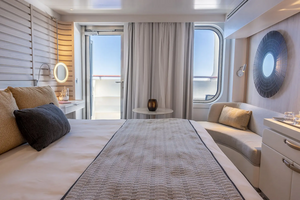
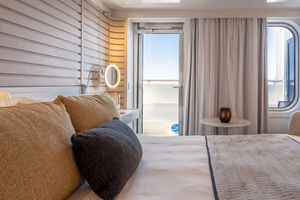
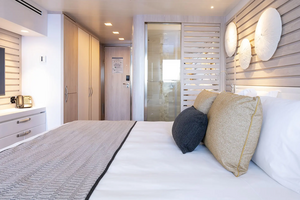
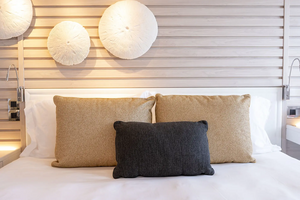
Lower Decks Balcony Stateroom
204 sqft · Up to 2 guests

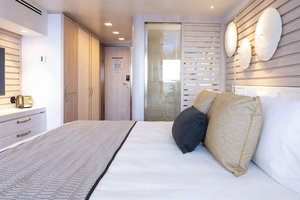
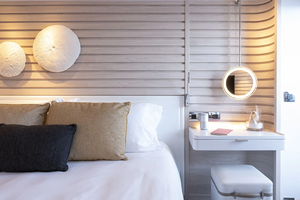
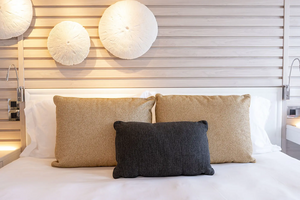
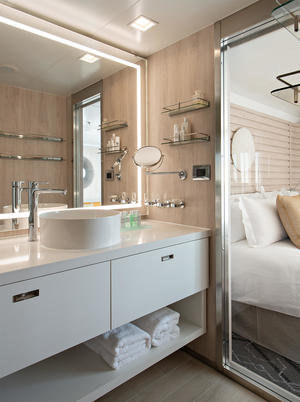
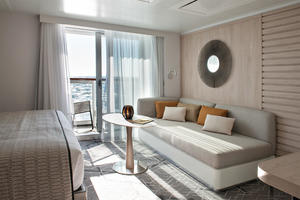
Upper Decks Balcony Stateroom
204 sqft · Up to 2 guests

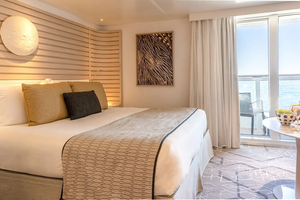
Deluxe Suite
290 sqft · Up to 3 guests
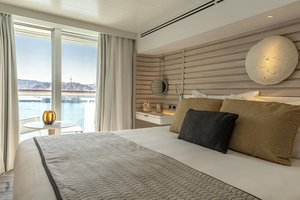
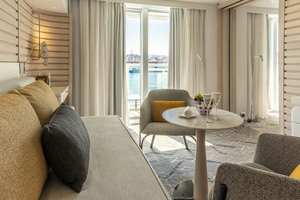
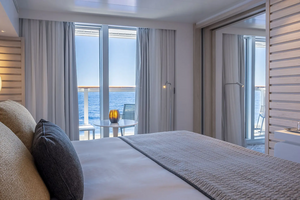
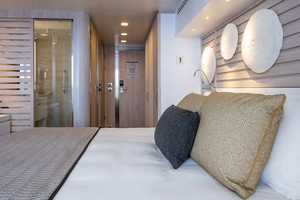
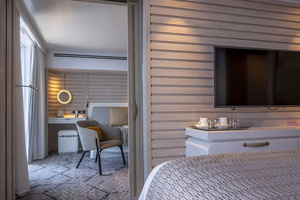
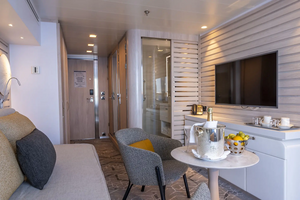
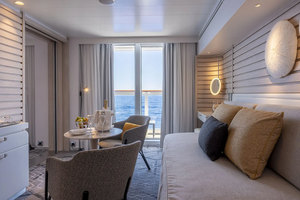
Prestige Suite
409 sqft · Up to 4 guests

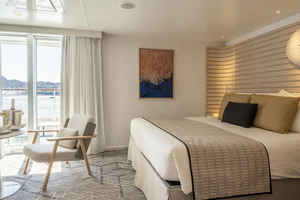
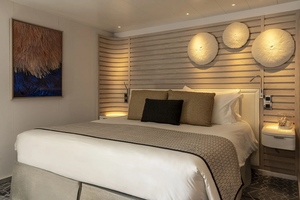
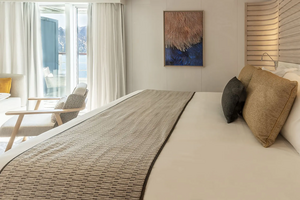
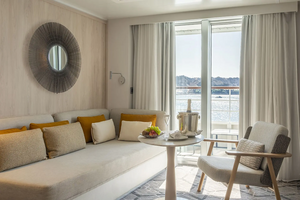
Privilege Suite
344 sqft · Up to 4 guests

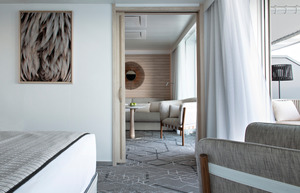
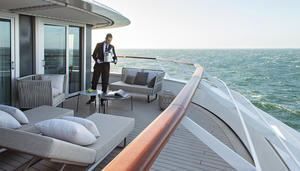
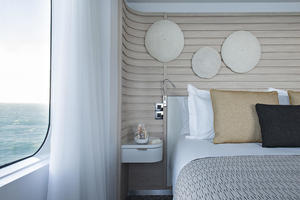
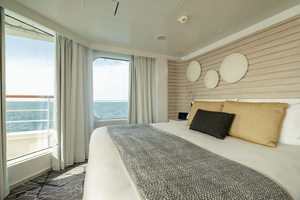
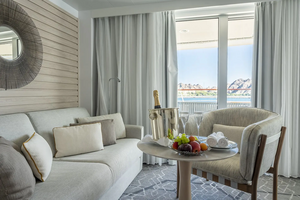
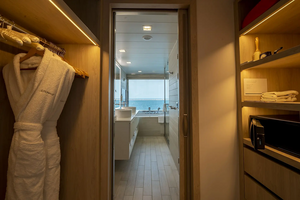
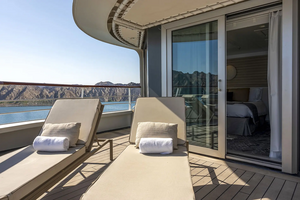
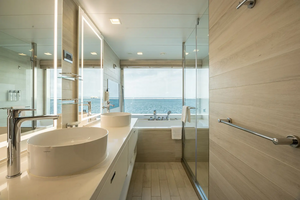
Grand Suite
484 sqft · Up to 4 guests

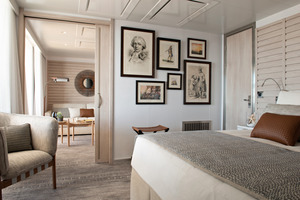
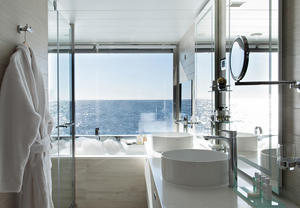
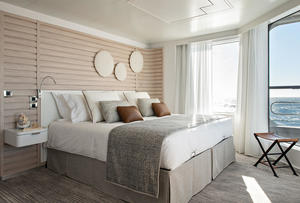
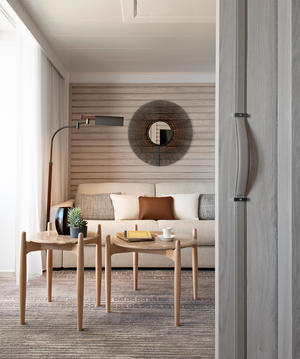
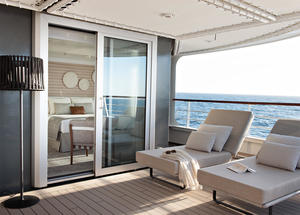
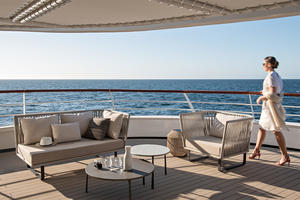
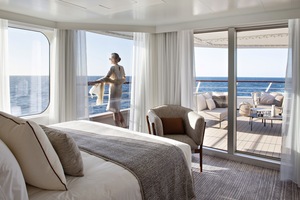
Owner's Suite
484 sqft · Up to 4 guests
Balcony
| Cabin | Grade | Per Person | Avail. | |
|---|---|---|---|---|
| Lower Decks Balcony Stateroom · 204 sqft | DEL Deluxe Stateroom | Enquire → | ||
| Upper Decks Balcony Stateroom · 204 sqft | PR4 Prestige Stateroom Deck 4 | Enquire → | ||
| PR5 Prestige Stateroom Deck 5 | Enquire → | |||
| PR6 Prestige Stateroom Deck 6 | Enquire → |
Lower Decks Balcony Stateroom · 204 sqft
DEL Deluxe Stateroom
Upper Decks Balcony Stateroom · 204 sqft
PR4 Prestige Stateroom Deck 4
Upper Decks Balcony Stateroom · 204 sqft
PR5 Prestige Stateroom Deck 5
Upper Decks Balcony Stateroom · 204 sqft
PR6 Prestige Stateroom Deck 6
Suite
| Cabin | Grade | Per Person | Avail. | |
|---|---|---|---|---|
| Deluxe Suite · 290 sqft | DS3 Deluxe Suite Deck 3 | Enquire → | ||
| DS4 Deluxe Suite Deck 4 | Enquire → | |||
| DS5 Deluxe Suite Deck 5 | Enquire → | |||
| DS6 Deluxe Suite Deck 6 | Enquire → | |||
| Prestige Suite · 409 sqft | PS5 Prestige Suite Deck 5 | Enquire → | ||
| PS6 Prestige Suite Deck 6 | Enquire → | |||
| Privilege Suite · 344 sqft | PV5 Privilege Suite Deck 5 | Enquire → | ||
| PV6 Privilege Suite Deck 6 | Enquire → | |||
| Grand Suite · 484 sqft | GD6 Grand Deluxe Suite | Enquire → | ||
| Owner's Suite · 484 sqft | SA | Enquire → |
Deluxe Suite · 290 sqft
DS3 Deluxe Suite Deck 3
Deluxe Suite · 290 sqft
DS4 Deluxe Suite Deck 4
Deluxe Suite · 290 sqft
DS5 Deluxe Suite Deck 5
Deluxe Suite · 290 sqft
DS6 Deluxe Suite Deck 6
Prestige Suite · 409 sqft
PS5 Prestige Suite Deck 5
Prestige Suite · 409 sqft
PS6 Prestige Suite Deck 6
Privilege Suite · 344 sqft
PV5 Privilege Suite Deck 5
Privilege Suite · 344 sqft
PV6 Privilege Suite Deck 6
Grand Suite · 484 sqft
GD6 Grand Deluxe Suite
Owner's Suite · 484 sqft
SA
More Departures
9 nights
Baltic Bliss & Winter Wonders
24/11/2026
Solo From
£8,350
From
£8,350
10 nights
Wild Lands of Indonesia
24/11/2026
Solo From
£13,250
From
£7,010
12 nights
Ocean Voyage: Dakar - Walvis Bay
25/11/2026
Solo From
£3,380
From
£3,380
10 nights
Ocean Voyage: Dakar - Fort-de-France
27/11/2026
Solo From
£2,960
From
£2,960
14 nights
Polynesian Bliss : Marquesas and Tuamotu
29/11/2026
Solo From
£15,640
From
£10,790
7 nights
Pacific Coast of Costa Rica
01/12/2026
Solo From
£6,750
From
£6,750
Your Ship
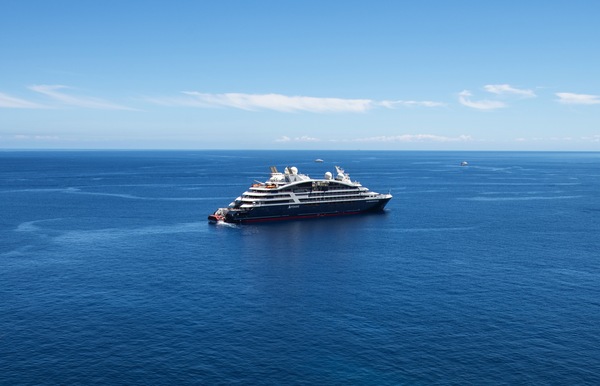
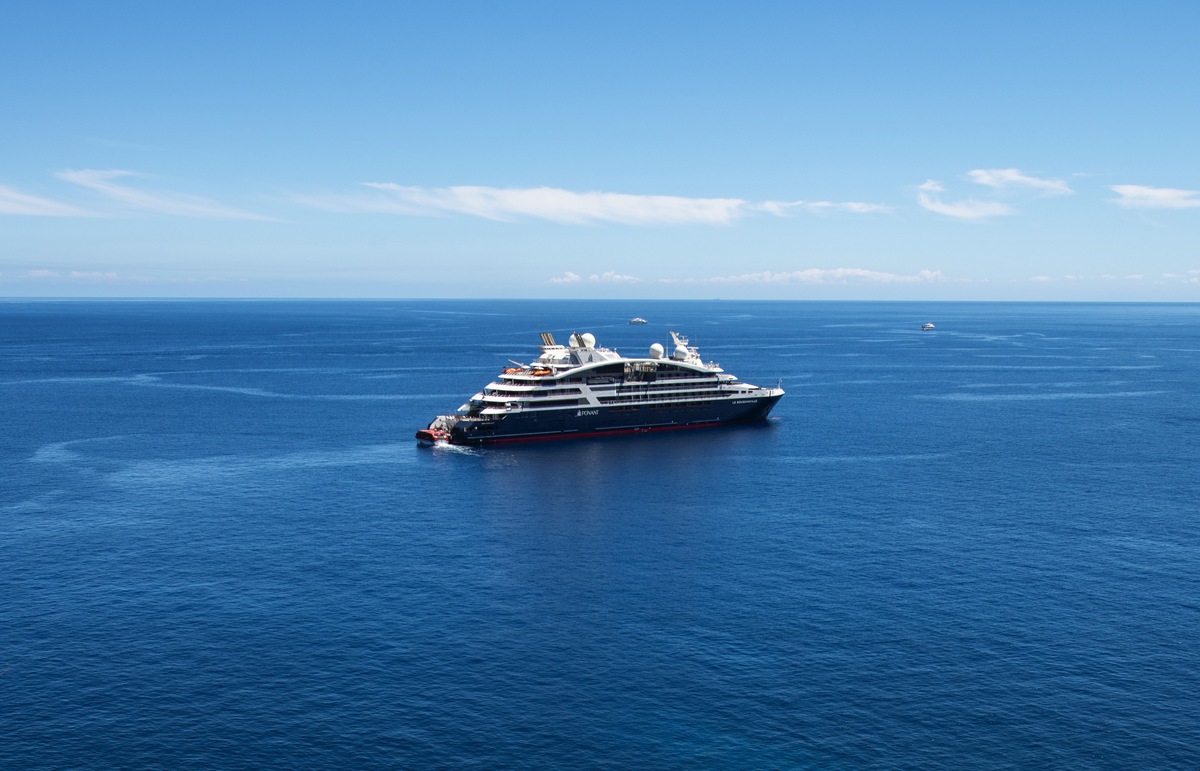
Le Bougainville
Le Bougainville, the third in the series of PONANT EXPLORERS, has been designed to combine exploration, elegance and open design towards the sea with state-of-the-art equipment.