Ballet Of The Riviera
Cruise only — prices from Solo cruise only — from

Ports of Call & Itinerary
7-night voyage departing Barcelona, arriving Civitavecchia.
Printable Itinerary (PDF)Route Map
Ballet Of The Riviera
7 ports plotted · click a marker for details
Day 1
Barcelona , Spain
Wednesday, 07/06/2028
The infinite variety of street life, the nooks and crannies of the medieval Barri Gòtic, the ceramic tile and stained glass of Art Nouveau facades, the art and music, the throb of street life, the food (ah, the food!)—one way or another, Barcelona will find a way to get your full attention. The capital of Catalonia is a banquet for the senses, with its beguiling mix of ancient and modern architecture, tempting cafés and markets, and sun-drenched Mediterranean beaches. A stroll along La Rambla and through waterfront Barceloneta, as well as a tour of Gaudí's majestic Sagrada Famíliaand his other unique creations, are part of a visit to Spain's second-largest city. Modern art museums and chic shops call for attention, too. Barcelona's vibe stays lively well into the night, when you can linger over regional wine and cuisine at buzzing tapas bars.

Day 2
Marseille , France
Thursday, 08/06/2028
Since being designated a European Capital of Culture for 2013, with an estimated €660 million of funding in the bargain, Marseille has been in the throes of an extraordinary transformation, with no fewer than five major new arts centers, a beautifully refurbished port, revitalized neighborhoods, and a slew of new shops and restaurants. Once the underdog, this time-burnished city is now welcoming an influx of weekend tourists who have colonized entire neighborhoods and transformed them into elegant pieds-à-terre (or should we say, mer). The second-largest city in France, Marseille is one of Europe's most vibrant destinations. Feisty and fond of broad gestures, it is also as complicated and as cosmopolitan now as it was when a band of Phoenician Greeks first sailed into the harbor that is today's Vieux Port in 600 BC. Legend has it that on that same day a local chieftain's daughter, Gyptis, needed to choose a husband, and her wandering eyes settled on the Greeks' handsome commander Protis. Her dowry brought land near the mouth of the Rhône, where the Greeks founded Massalia, the most important Continental shipping port in antiquity. The port flourished for some 500 years as a typical Greek city, enjoying the full flush of classical culture, its gods, its democratic political system, its sports and theater, and its naval prowess. Caesar changed all that, besieging the city in 49 BC and seizing most of its colonies. In 1214 Marseille was seized again, this time by Charles d'Anjou, and was later annexed to France by Henri IV in 1481, but it was not until Louis XIV took the throne that the biggest transformations of the port began; he pulled down the city walls in 1666 and expanded the port to the Rive Neuve (New Riverbank). The city was devastated by plague in 1720, losing more than half its population. By the time of the Revolution, Marseille was on the rebound once again, with industries of soap manufacturing and oil processing flourishing, encouraging a wave of immigration from Provence and Italy. With the opening of the Suez Canal in 1869, Marseille became the greatest boomtown in 19th-century Europe. With a large influx of immigrants from areas as exotic as Tangiers, the city quickly acquired the multicultural population it maintains to this day.
Day 3
Saint-Tropez , France
Friday, 09/06/2028
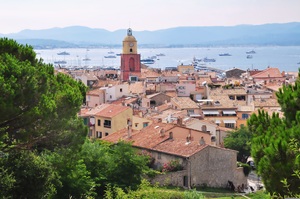
At first glance, it really doesn't look all that impressive. There's a pretty port with cafés charging €5 for a coffee and a picturesque old town in sugared-almond hues, but there are many prettier in the hills nearby. There are sandy beaches, rare enough on the Riviera, and old-fashioned squares with plane trees and pétanque players, but these are a dime a dozen throughout Provence. So what made St-Tropez an internationally known locale? Two words: Brigitte Bardot. When this pulpeuse (voluptuous) teenager showed up in St-Tropez on the arm of Roger Vadim in 1956 to film And God Created Woman, the heads of the world snapped around. Neither the gentle descriptions of writer Guy de Maupassant (1850–93), nor the watercolor tones of Impressionist Paul Signac (1863–1935), nor the stream of painters who followed (including Matisse and Bonnard) could focus the world's attention on this seaside hamlet as did this one sensual woman in a scarf, Ray-Bans, and capris. Vanity Fair ran a big article, "Saint Tropez Babylon," detailing the over-the-top petrodollar parties, megayachts, and Beyoncé–d paparazzi. But don't be turned off: the next year, Stewart, Tabori & Chang released an elegant coffee-table book, Houses of St-Tropez, packed with photos of supremely tasteful and pretty residences, many occupied by fashion designers, artists, and writers. Once a hangout for Colette, Anaïs Nin, and Françoise Sagan, the town still earns its old moniker, the "Montparnasse of the Mediterranean." Yet you might be surprised to find that this byword for billionaires is so small and insulated. The lack of train service, casinos, and chain hotels keeps it that way. Yet fame, in a sense, came too fast for St-Trop. Unlike the chic resorts farther east, it didn't have the decades-old reputation of the sort that would attract visitors all year around. For a good reason: its location on the south side of the gulf puts it at the mercy of the terrible mistral winter winds. So, in summer the crowds descend and the prices rise into the stratosphere. In July and August, you must be carefree about the sordid matter of cash. After all, at the most Dionysian nightclub in town, a glass of tap water goes for $37 and when the mojo really gets going, billionaires think nothing of "champagne-spraying" the partying crowds—think World Series celebrations but with $1,000 bottles of Roederer Cristal instead of Gatorade. Complaining about summer crowds, overpricing, and lack of customer service has become a tourist sport and yet this is what makes St-Tropez—described by the French daily newspaper Le Figaro as the place you can see "the greatest number of faces per square meter"—as intriguing as it is seductive.
Day 4
Villefranche-sur-Mer , France
Saturday, 10/06/2028
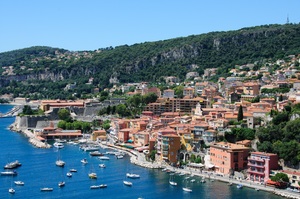
Villefranche-Sur-Mer is located on the Côte d’Azur in Provence – known for its fields of lavender and warm weather – and is highly appreciated for its 14th Century architecture.
Day 5
Cruising the Ligurian Sea
Sunday, 11/06/2028
Day 6
Portofino , Italy
Monday, 12/06/2028
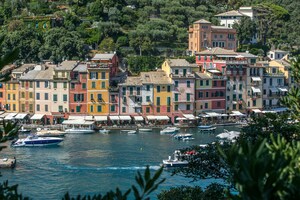
One of the most photographed villages along the coast, with a decidedly romantic and affluent aura, Portofino has long been a popular destination for the rich and famous. Once an ancient Roman colony and taken by the Republic of Genoa in 1229, it’s also been ruled by the French, English, Spanish, and Austrians, as well as by marauding bands of 16th-century pirates. Elite British tourists first flocked to the lush harbor in the mid-1800s. Some of Europe's wealthiest drop anchor in Portofino in summer, but they stay out of sight by day, appearing in the evening after buses and boats have carried off the day-trippers.There's not actually much to do in Portofino other than stroll around the wee harbor, see the castle, walk to Punta del Capo, browse at the pricey boutiques, and sip a coffee while people-watching. However, weaving through picture-perfect cliffside gardens and gazing at yachts framed by the sapphire Ligurian Sea and the cliffs of Santa Margherita can make for quite a relaxing afternoon. There are also several tame, photo-friendly hikes into the hills to nearby villages.Unless you're traveling on a deluxe budget, you may want to stay in Camogli or Santa Margherita Ligure rather than at one of Portofino's few very expensive hotels. Restaurants and cafés are good but also pricey (don't expect to have a beer here for much under €10).
Day 7
Livorno , Italy
Tuesday, 13/06/2028
Livorno is a gritty city with a long and interesting history. In the early Middle Ages it alternately belonged to Pisa and Genoa. In 1421 Florence, seeking access to the sea, bought it. Cosimo I (1519–74) started construction of the harbor in 1571, putting Livorno on the map. After Ferdinando I de' Medici (1549–1609) proclaimed Livorno a free city, it became a haven for people suffering from religious persecution; Roman Catholics from England and Jews and Moors from Spain and Portugal, among others, settled here. The Quattro Mori (Four Moors), also known as the Monument to Ferdinando I, commemorates this. (The statue of Ferdinando I dates from 1595, the bronze Moors by Pietro Tacca from the 1620s.)In the following centuries, and particularly in the 18th, Livorno boomed as a port. In the 19th century the town drew a host of famous Britons passing through on their grand tours. Its prominence continued up to World War II, when it was heavily bombed. Much of the town's architecture, therefore, postdates the war, and it's somewhat difficult to imagine what it might have looked like before. Livorno has recovered from the war, however, as it's become a huge point of departure for container ships, as well as the only spot in Tuscany for cruise ships to dock for the day.Most of Livorno's artistic treasures date from the 17th century and aren't all that interesting unless you dote on obscure baroque artists. Livorno's most famous native artist, Amedeo Modigliani (1884–1920), was of much more recent vintage. Sadly, there's no notable work by him in his hometown.There may not be much in the way of art, but it's still worth strolling around the city. The Mercato Nuovo, which has been around since 1894, sells all sorts of fruits, vegetables, grains, meat, and fish. Outdoor markets nearby are also chock-full of local color. The presence of Camp Darby, an American military base just outside town, accounts for the availability of many American products.If you have time, Livorno is worth a stop for lunch or dinner at the very least.
Day 8
Civitavecchia , Italy
Wednesday, 14/06/2028
Italy's vibrant capital lives in the present, but no other city on earth evokes its past so powerfully. For over 2,500 years, emperors, popes, artists, and common citizens have left their mark here. Archaeological remains from ancient Rome, art-stuffed churches, and the treasures of Vatican City vie for your attention, but Rome is also a wonderful place to practice the Italian-perfected il dolce far niente, the sweet art of idleness. Your most memorable experiences may include sitting at a caffè in the Campo de' Fiori or strolling in a beguiling piazza.

Room Type & Prices
All prices per person based on double occupancy. Solo traveller prices — single occupancy. Contact our cruise experts for the latest availability and best fares.
Prices include return flights from your chosen departure airport.
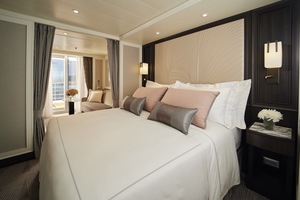
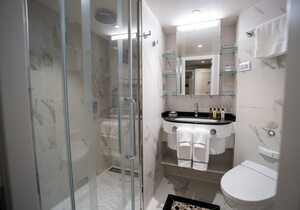
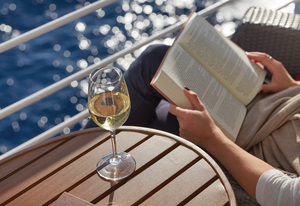
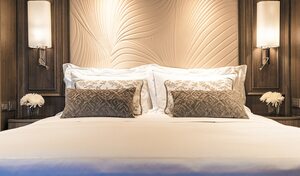
Deluxe Veranda Suite
308–361 sqft · Up to 4 guests
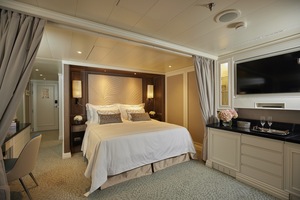
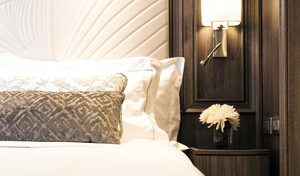
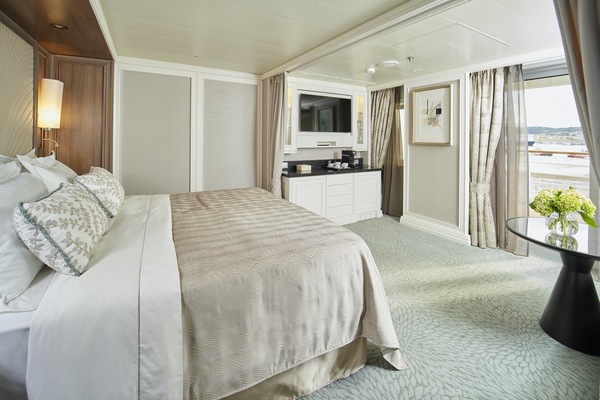
Serenity Suite
414–464 sqft · Up to 4 guests
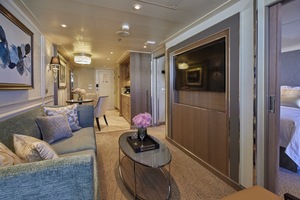
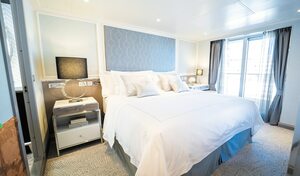
Concierge Suite
415–464 sqft · Up to 4 guests
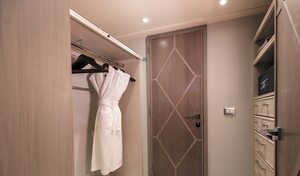
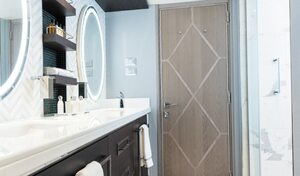
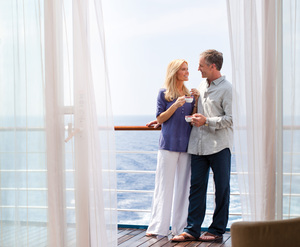
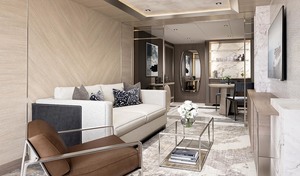
Penthouse Suite
561–644 sqft · Up to 4 guests
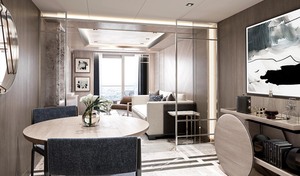
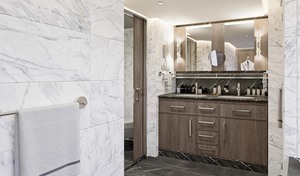
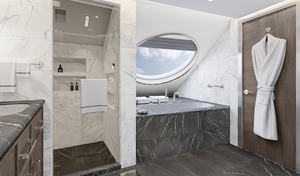
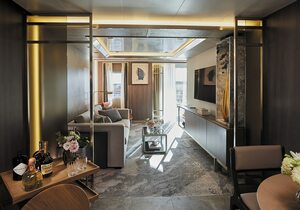
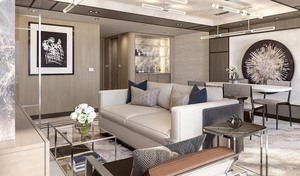
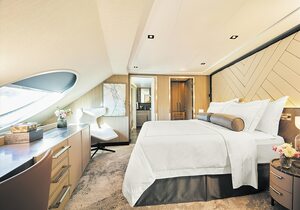
Seven Seas Suite
814 sqft · Up to 4 guests
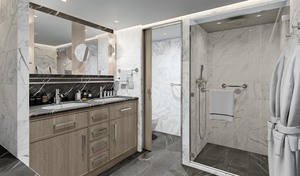
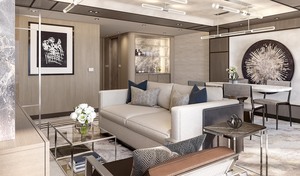
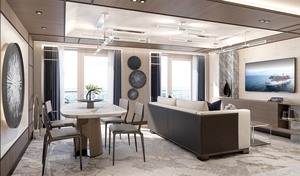
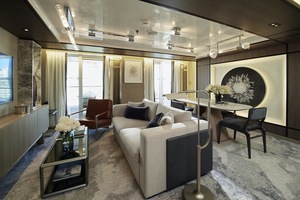
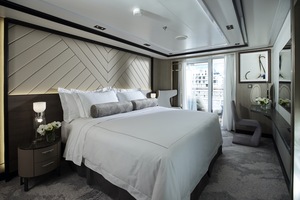
Grandeur Suite
821–918 sqft · Up to 4 guests
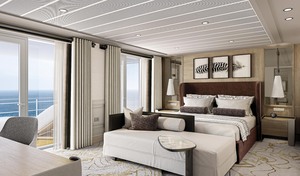
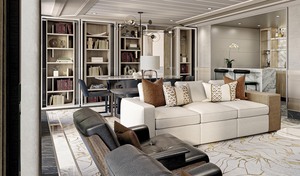
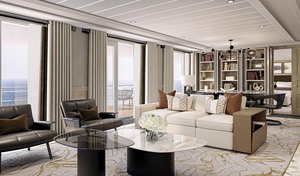
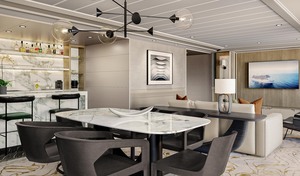
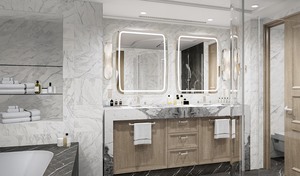
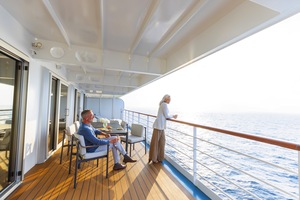
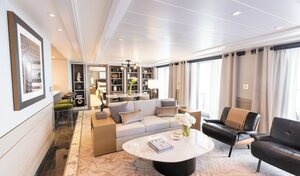
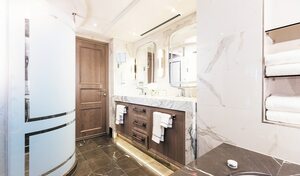
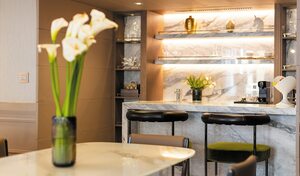
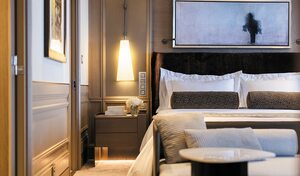
Grand Suite
1130–1929 sqft · Up to 4 guests
Suite
| Cabin | Grade | Per Person | Avail. | |
|---|---|---|---|---|
| Deluxe Veranda Suite · 308–361 sqft | G2 Deluxe Veranda Suite (G2) | Enquire → | ||
| G1 Deluxe Veranda Suite (G1) | Enquire → | |||
| Serenity Suite · 414–464 sqft | F2 Serenity Suite (F2) | Enquire → | ||
| F1 Serenity Suite (F1) | Enquire → | |||
| Concierge Suite · 415–464 sqft | E Concierge Suite (E) | Enquire → | ||
| D Concierge Suite (D) | Enquire → | |||
| Penthouse Suite · 561–644 sqft | C Penthouse Suite (C) | Enquire → | ||
| B Penthouse Suite (B) | Enquire → | |||
| A Penthouse Suite (A) | Enquire → | |||
| Seven Seas Suite · 814 sqft | SS | Enquire → | ||
| Grandeur Suite · 821–918 sqft | GN | Enquire → | ||
| Grand Suite · 1130–1929 sqft | GS | Enquire → |
Deluxe Veranda Suite · 308–361 sqft
G2 Deluxe Veranda Suite (G2)
Deluxe Veranda Suite · 308–361 sqft
G1 Deluxe Veranda Suite (G1)
Serenity Suite · 414–464 sqft
F2 Serenity Suite (F2)
Serenity Suite · 414–464 sqft
F1 Serenity Suite (F1)
Concierge Suite · 415–464 sqft
E Concierge Suite (E)
Concierge Suite · 415–464 sqft
D Concierge Suite (D)
Penthouse Suite · 561–644 sqft
C Penthouse Suite (C)
Penthouse Suite · 561–644 sqft
B Penthouse Suite (B)
Penthouse Suite · 561–644 sqft
A Penthouse Suite (A)
Seven Seas Suite · 814 sqft
SS
Grandeur Suite · 821–918 sqft
GN
Grand Suite · 1130–1929 sqft
GS
More Departures
7 nights
Mediterranean Discovery
17/10/2026
From
£7,699
16 nights
Epic Atlantic Escapade
30/10/2026
From
£107,239
15 nights
Sapphire Sea Dreams
15/11/2026
From
£100,579
7 nights
Fall For The Caribbean
22/11/2026
From
£7,519
10 nights
Turkish Treasures
27/11/2026
From
£7,959
10 nights
Sunset Serenity
01/12/2026
From
£5,849
Your Ship
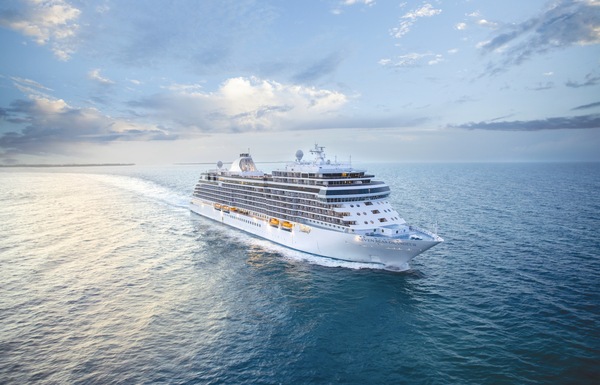
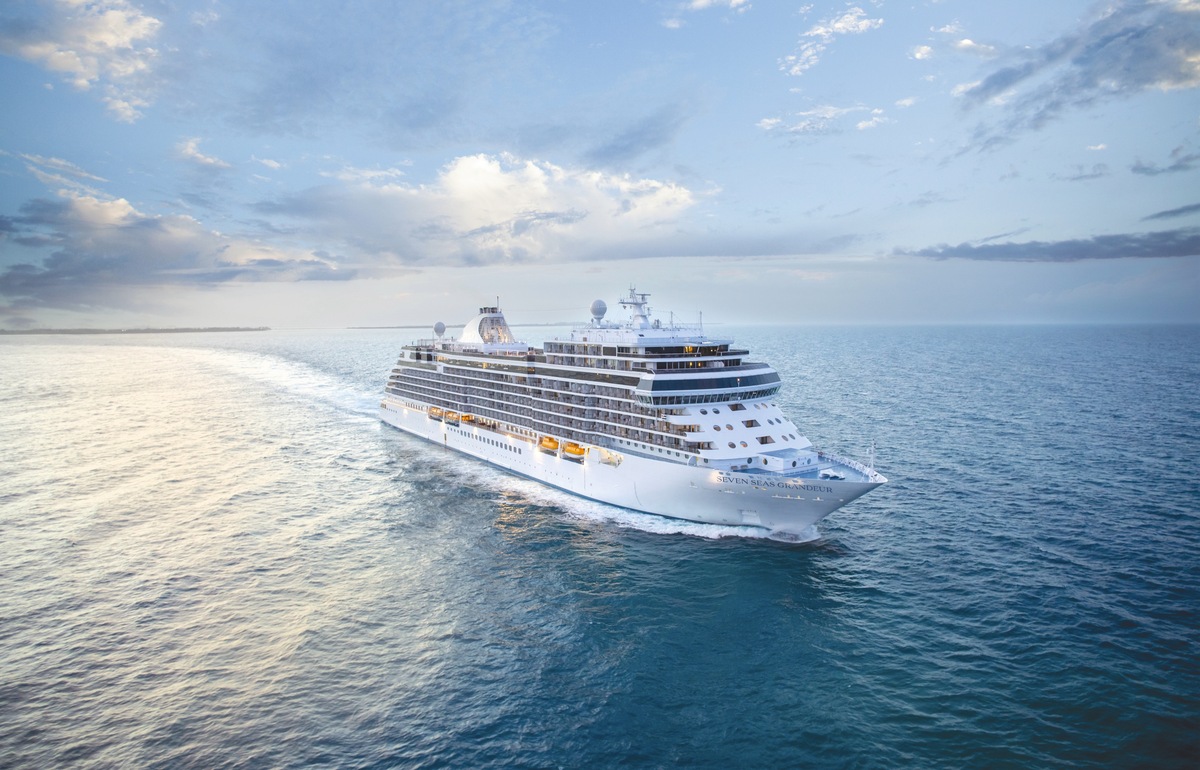
Seven Seas Grandeur
Inspired by the past and reimagined for the future, Seven Seas Grandeur® personifies our heritage of perfection.
Be enveloped by the incomparable comforts of Seven Seas Grandeur®, the ship that embodies our heritage of perfection. With unrivalled space, unparalleled service, exceptional cuisine, and transformative experiences abound, enjoy the new era of luxury cruising from the moment you step aboard.