Greco-Roman Exploration
Cruise only — prices from Solo cruise only — from

Ports of Call & Itinerary
9-night voyage departing Civitavecchia, arriving Piraeus.
Printable Itinerary (PDF)Route Map
Greco-Roman Exploration
9 ports plotted · click a marker for details
Day 1
Civitavecchia , Italy
Thursday, 12/10/2028
Italy's vibrant capital lives in the present, but no other city on earth evokes its past so powerfully. For over 2,500 years, emperors, popes, artists, and common citizens have left their mark here. Archaeological remains from ancient Rome, art-stuffed churches, and the treasures of Vatican City vie for your attention, but Rome is also a wonderful place to practice the Italian-perfected il dolce far niente, the sweet art of idleness. Your most memorable experiences may include sitting at a caffè in the Campo de' Fiori or strolling in a beguiling piazza.

Day 2
Salerno , Italy
Friday, 13/10/2028
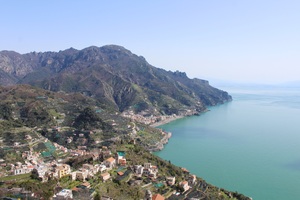
Salerno is an Italian city located on the Gulf of Salerno. Famous for being home to the first medical university, Salerno is a great destination for anyone looking for gorgeous sea views filled with sunshine and Italian food.
Day 3
Messina , Italy
Saturday, 14/10/2028
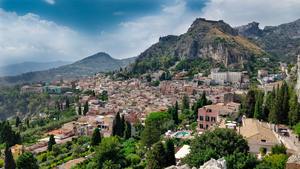
Home to the Museo Regionale of Messina, known for featuring two of Caravaggio's paintings, the city is also famous for having been the capital of the ancient kingdom of Sicily.
Day 4
Valletta , Malta
Sunday, 15/10/2028
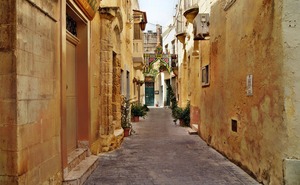
Malta's capital, the minicity of Valletta, has ornate palaces and museums protected by massive fortifications of honey-color limestone. Houses along the narrow streets have overhanging wooden balconies for people-watching from indoors. Generations ago they gave housebound women a window on the world of the street. The main entrance to town is through the City Gate (where all bus routes end), which leads onto Triq Repubblika (Republic Street), the spine of the grid-pattern city and the main shopping street. Triq Mercante (Merchant Street) parallels Repubblika to the east and is also good for strolling. From these two streets, cross streets descend toward the water; some are stepped. Valletta's compactness makes it ideal to explore on foot. City Gate and the upper part of Valletta are experiencing vast redevelopment that includes a new Parliament Building and open-air performance venue. The complex, completed mid-2013, has numerous pedestrian detours in place along with building noise and dust. Before setting out along Republic Street, stop at the tourist information office on Merchant Street for maps and brochures.
Day 5
Cruising the Mediterranean Sea
Monday, 16/10/2028
Day 6
Argostoli , Greece
Tuesday, 17/10/2028
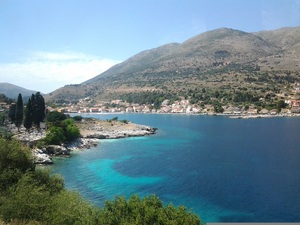
Ground literally to ashes in World War II and wracked by a massive earthquake a decade later, the capital of Kefalonia once more shows pride in its native spirit and natural beauty. The vast harbor on Argostoli’s east side makes an especially attractive port for cruise ships full of visitors who never seem to tire of strolling the cobbled seaside promenade, sipping ouzos in cafés, and stocking up on the succulent Mediterranean fruits in the outdoor markets.
Day 7
Gythio , Greece
Wednesday, 18/10/2028
Day 8
Heraklion (Iraklion), Crete , Greece
Thursday, 19/10/2028
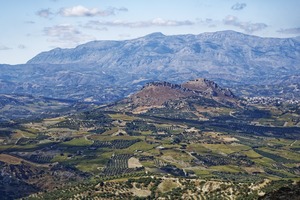
Having been controlled by Arabic, Venetian and Ottoman empires over the years - it's no surprise that Heraklion is a diverse patchwork of exotic cultures and historical treasures. Celebrated as the birthplace of the Spanish Renaissance artist, El Greco, you can visit to explore the storied ruins of the Minoan empire's capital, and unearth the rich cultural treasures that Crete’s bustling modern capital has to offer.
Day 9
Mykonos , Greece
Friday, 20/10/2028
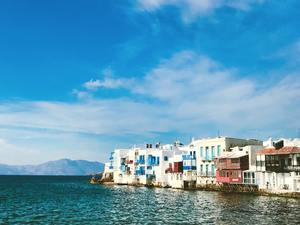
Although the fishing boats still go out in good weather, Mykonos largely makes its living from tourism these days. The summer crowds have turned one of the poorest islands in Greece into one of the richest. Old Mykonians complain that their young, who have inherited stores where their grandfathers once sold eggs or wine, get so much rent that they have lost ambition, and in summer sit around pool bars at night with their friends, and hang out in Athens in winter when island life is less scintillating. Put firmly on the map by Jackie O in the 1960s, Mykonos town—called Hora by the locals—remains the Saint-Tropez of the Greek islands. The scenery is memorable, with its whitewashed streets, Little Venice, the Kato Myli ridge of windmills, and Kastro, the town's medieval quarter. Its cubical two- or three-story houses and churches, with their red or blue doors and domes and wooden balconies, have been long celebrated as some of the best examples of classic Cycladic architecture. Luckily, the Greek Archaeological Service decided to preserve the town, even when the Mykonians would have preferred to rebuild, and so the Old Town has been impressively preserved. Pink oleander, scarlet hibiscus, and trailing green pepper trees form a contrast amid the dazzling whiteness, whose frequent renewal with whitewash is required by law. Any visitor who has the pleasure of getting lost in its narrow streets (made all the narrower by the many outdoor stone staircases, which maximize housing space in the crowded village) will appreciate how its confusing layout was designed to foil pirates—if it was designed at all. After Mykonos fell under Turkish rule in 1537, the Ottomans allowed the islanders to arm their vessels against pirates, which had a contradictory effect: many of them found that raiding other islands was more profitable than tilling arid land. At the height of Aegean piracy, Mykonos was the principal headquarters of the corsair fleets—the place where pirates met their fellows, found willing women, and filled out their crews. Eventually the illicit activity evolved into a legitimate and thriving trade network. Morning on Mykonos town's main quay is busy with deliveries, visitors for the Delos boats, lazy breakfasters, and street cleaners dealing with the previous night's mess. In late morning the cruise-boat people arrive, and the shops are all open. In early afternoon, shaded outdoor tavernas are full of diners eating salads (Mykonos's produce is mostly imported); music is absent or kept low. In mid- and late afternoon, the town feels sleepy, since so many people are at the beach, on excursions, or sleeping in their air-conditioned rooms; even some tourist shops close for siesta. By sunset, people have come back from the beach, having taken their showers and rested. At night, the atmosphere in Mykonos ramps up. The cruise-boat people are mostly gone, coughing three-wheelers make no deliveries in the narrow streets, and everyone is dressed sexy for summer and starting to shimmy with the scene. Many shops stay open past midnight, the restaurants fill up, and the bars and discos make ice cubes as fast as they can. Ready to dive in? Begin your tour of Mykonos town (Hora) by starting out at its heart: Mando Mavrogenous Square.
Day 10
Piraeus , Greece
Saturday, 21/10/2028
It's no wonder that all roads lead to the fascinating and maddening metropolis of Athens. Lift your eyes 200 feet above the city to the Parthenon, its honey-color marble columns rising from a massive limestone base, and you behold architectural perfection that has not been surpassed in 2,500 years. But, today, this shrine of classical form dominates a 21st-century boomtown. To experience Athens—Athína in Greek—fully is to understand the essence of Greece: ancient monuments surviving in a sea of cement, startling beauty amid the squalor, tradition juxtaposed with modernity. Locals depend on humor and flexibility to deal with the chaos; you should do the same. The rewards are immense. Although Athens covers a huge area, the major landmarks of the ancient Greek, Roman, and Byzantine periods are close to the modern city center. You can easily walk from the Acropolis to many other key sites, taking time to browse in shops and relax in cafés and tavernas along the way. From many quarters of the city you can glimpse "the glory that was Greece" in the form of the Acropolis looming above the horizon, but only by actually climbing that rocky precipice can you feel the impact of the ancient settlement. The Acropolis and Filopappou, two craggy hills sitting side by side; the ancient Agora (marketplace); and Kerameikos, the first cemetery, form the core of ancient and Roman Athens. Along the Unification of Archaeological Sites promenade, you can follow stone-paved, tree-lined walkways from site to site, undisturbed by traffic. Cars have also been banned or reduced in other streets in the historical center. In the National Archaeological Museum, vast numbers of artifacts illustrate the many millennia of Greek civilization; smaller museums such as the Goulandris Museum of Cycladic Art Museum and the Byzantine and Christian Museum illuminate the history of particular regions or periods. Athens may seem like one huge city, but it is really a conglomeration of neighborhoods with distinctive characters. The Eastern influences that prevailed during the 400-year rule of the Ottoman Empire are still evident in Monastiraki, the bazaar area near the foot of the Acropolis. On the northern slope of the Acropolis, stroll through Plaka (if possible by moonlight), an area of tranquil streets lined with renovated mansions, to get the flavor of the 19th-century's gracious lifestyle. The narrow lanes of Anafiotika, a section of Plaka, thread past tiny churches and small, color-washed houses with wooden upper stories, recalling a Cycladic island village. In this maze of winding streets, vestiges of the older city are everywhere: crumbling stairways lined with festive tavernas; dank cellars filled with wine vats; occasionally a court or diminutive garden, enclosed within high walls and filled with magnolia trees and the flaming trumpet-shaped flowers of hibiscus bushes. Formerly run-down old quarters, such as Thission, Gazi and Psirri, popular nightlife areas filled with bars and mezedopoleia (similar to tapas bars), are now in the process of gentrification, although they still retain much of their original charm, as does the colorful produce and meat market on Athinas. The area around Syntagma Square, the tourist hub, and Omonia Square, the commercial heart of the city about 1 km (½ mi) northwest, is distinctly European, having been designed by the court architects of King Otho, a Bavarian, in the 19th century. The chic shops and bistros of ritzy Kolonaki nestle at the foot of Mt. Lycabettus, Athens's highest hill (909 feet). Each of Athens's outlying suburbs has a distinctive character: in the north is wealthy, tree-lined Kifissia, once a summer resort for aristocratic Athenians, and in the south and southeast lie Glyfada, Voula, and Vouliagmeni, with their sandy beaches, seaside bars, and lively summer nightlife. Just beyond the city's southern fringes is Piraeus, a bustling port city of waterside fish tavernas and Saronic Gulf views.

Room Type & Prices
All prices per person based on double occupancy. Solo traveller prices — single occupancy. Contact our cruise experts for the latest availability and best fares.
Prices include return flights from your chosen departure airport.
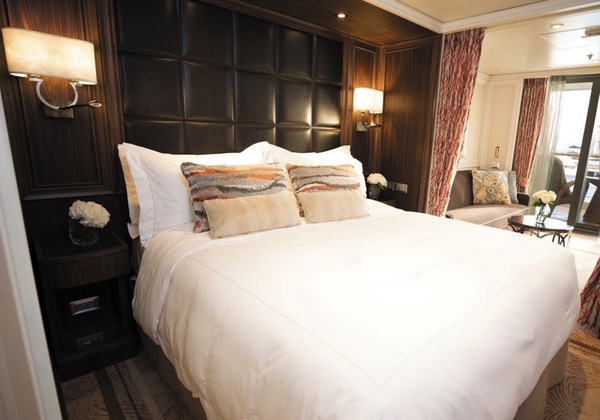
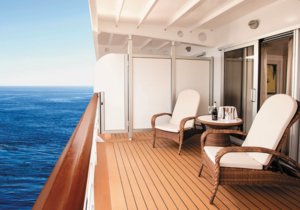
Veranda Suite
308 sqft · Up to 2 guests
Deluxe Veranda Suite
341 sqft · Up to 3 guests
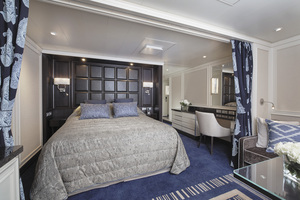
Serenity Suite
414–464 sqft · Up to 3 guests
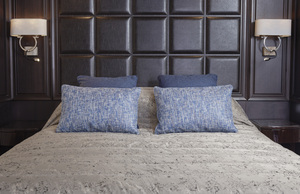
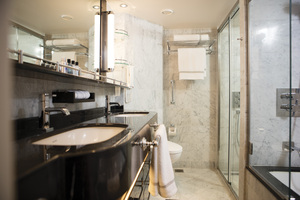
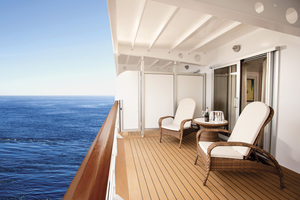
Concierge Suite
414–464 sqft · Up to 3 guests
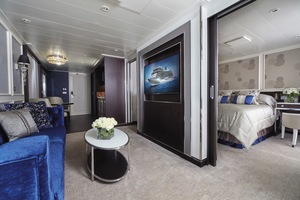
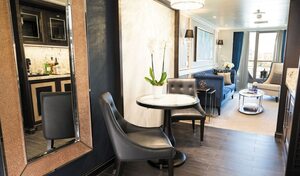
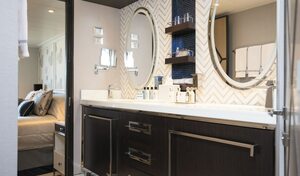
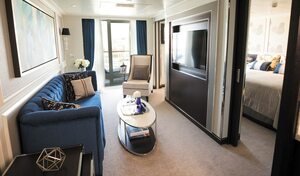
Penthouse Suite
561–626 sqft · Up to 3 guests
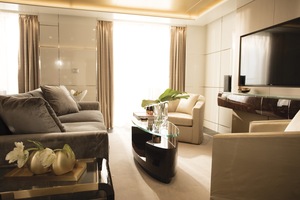
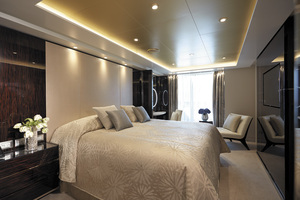
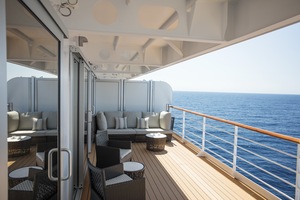
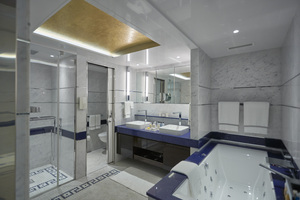
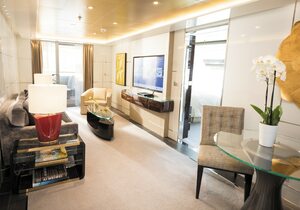
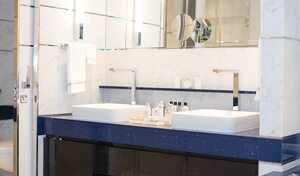
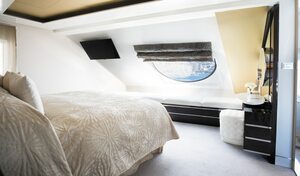
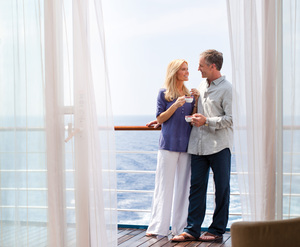
Seven Seas Suite
814 sqft · Up to 2 guests
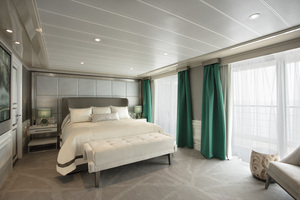
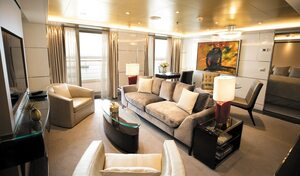
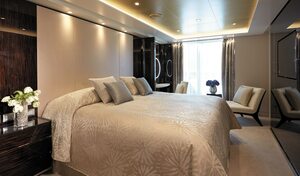
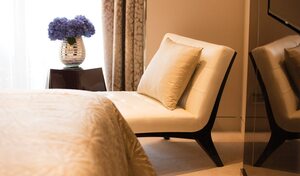
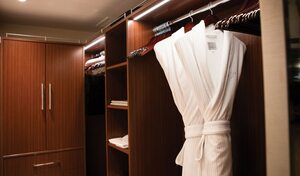
Explorer Suite
821–918 sqft · Up to 2 guests
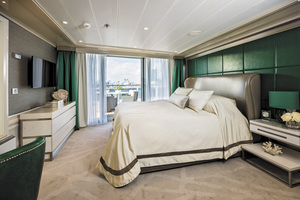
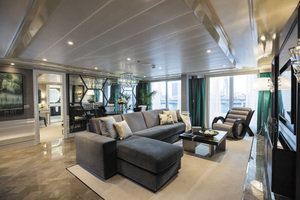
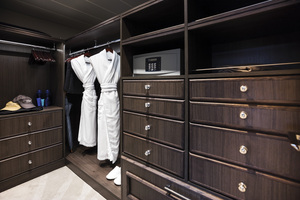
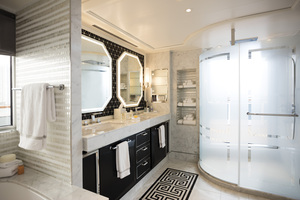
Grand Suite
1276–1836 sqft · Up to 3 guests
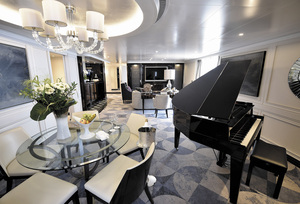
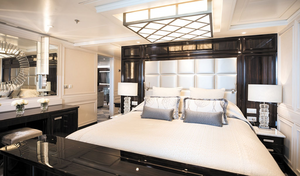
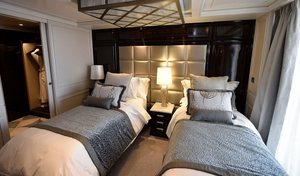
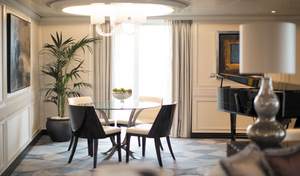
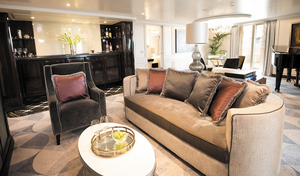
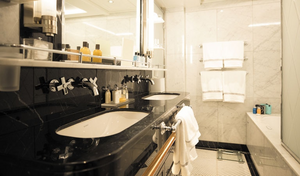
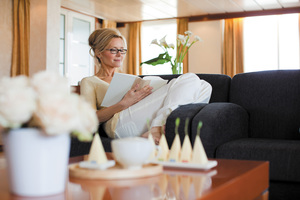
Signature Suite
1895–2107 sqft · Up to 6 guests
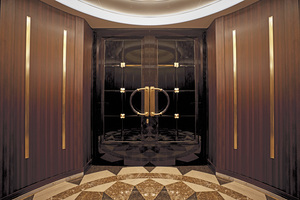
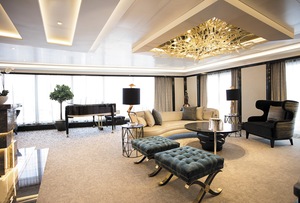
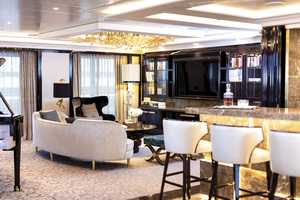
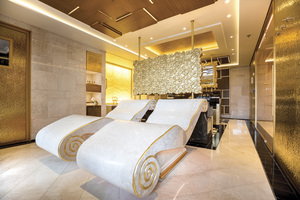
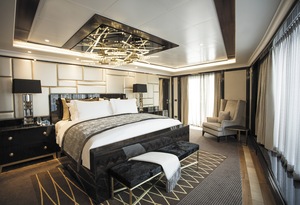
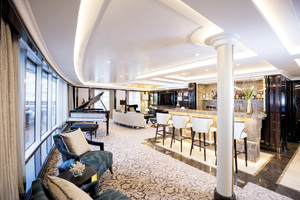
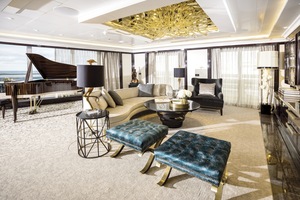
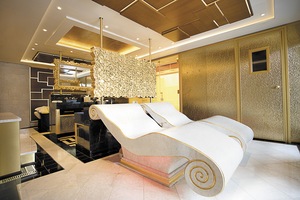
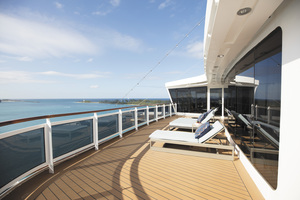
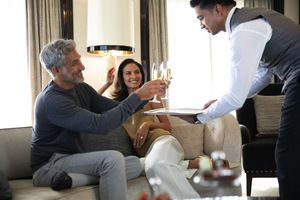
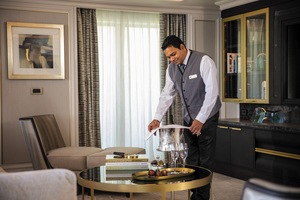
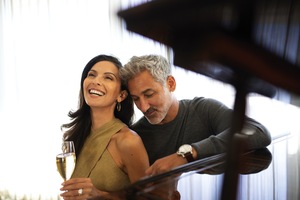
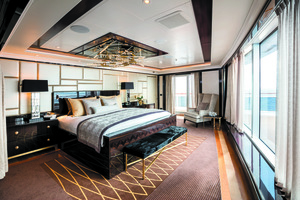
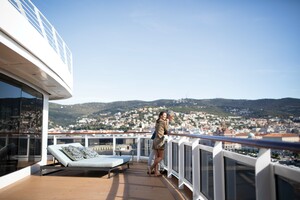
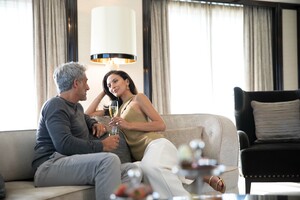
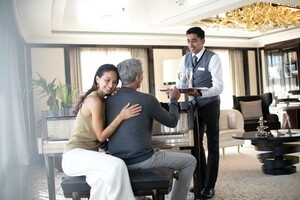
Regent Suite
5088 sqft · Up to 6 guests
Suite
| Cabin | Grade | Per Person | Avail. | |
|---|---|---|---|---|
| Veranda Suite · 308 sqft | H | Enquire → | ||
| Deluxe Veranda Suite · 341 sqft | G2 Deluxe Veranda Suite (G2) | Enquire → | ||
| G1 Deluxe Veranda Suite (G1) | Enquire → | |||
| Serenity Suite · 414–464 sqft | F2 Serenity Suite (F2) | Enquire → | ||
| F1 Serenity Suite (F1) | Enquire → | |||
| Concierge Suite · 414–464 sqft | E Concierge Suite (E) | Enquire → | ||
| D Concierge Suite (D) | Enquire → | |||
| Penthouse Suite · 561–626 sqft | C Penthouse Suite (C) | Enquire → | ||
| B Penthouse Suite (B) | Enquire → | |||
| A Penthouse Suite (A) | Enquire → | |||
| Seven Seas Suite · 814 sqft | SS | Enquire → | ||
| Explorer Suite · 821–918 sqft | ES | Enquire → | ||
| Grand Suite · 1276–1836 sqft | GS | Enquire → | ||
| Signature Suite · 1895–2107 sqft | SG | Enquire → | ||
| Regent Suite · 5088 sqft | RS | Enquire → |
Veranda Suite · 308 sqft
H
Deluxe Veranda Suite · 341 sqft
G2 Deluxe Veranda Suite (G2)
Deluxe Veranda Suite · 341 sqft
G1 Deluxe Veranda Suite (G1)
Serenity Suite · 414–464 sqft
F2 Serenity Suite (F2)
Serenity Suite · 414–464 sqft
F1 Serenity Suite (F1)
Concierge Suite · 414–464 sqft
E Concierge Suite (E)
Concierge Suite · 414–464 sqft
D Concierge Suite (D)
Penthouse Suite · 561–626 sqft
C Penthouse Suite (C)
Penthouse Suite · 561–626 sqft
B Penthouse Suite (B)
Penthouse Suite · 561–626 sqft
A Penthouse Suite (A)
Seven Seas Suite · 814 sqft
SS
Explorer Suite · 821–918 sqft
ES
Grand Suite · 1276–1836 sqft
GS
Signature Suite · 1895–2107 sqft
SG
Regent Suite · 5088 sqft
RS
More Departures
7 nights
Mediterranean Discovery
17/10/2026
From
£7,699
16 nights
Epic Atlantic Escapade
30/10/2026
From
£107,239
15 nights
Sapphire Sea Dreams
15/11/2026
From
£100,579
7 nights
Fall For The Caribbean
22/11/2026
From
£7,519
10 nights
Turkish Treasures
27/11/2026
From
£7,959
10 nights
Sunset Serenity
01/12/2026
From
£5,849
Your Ship
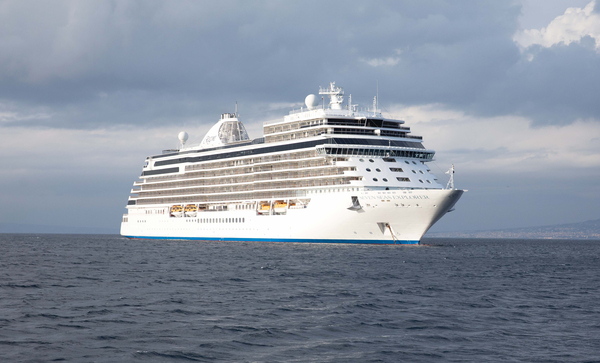
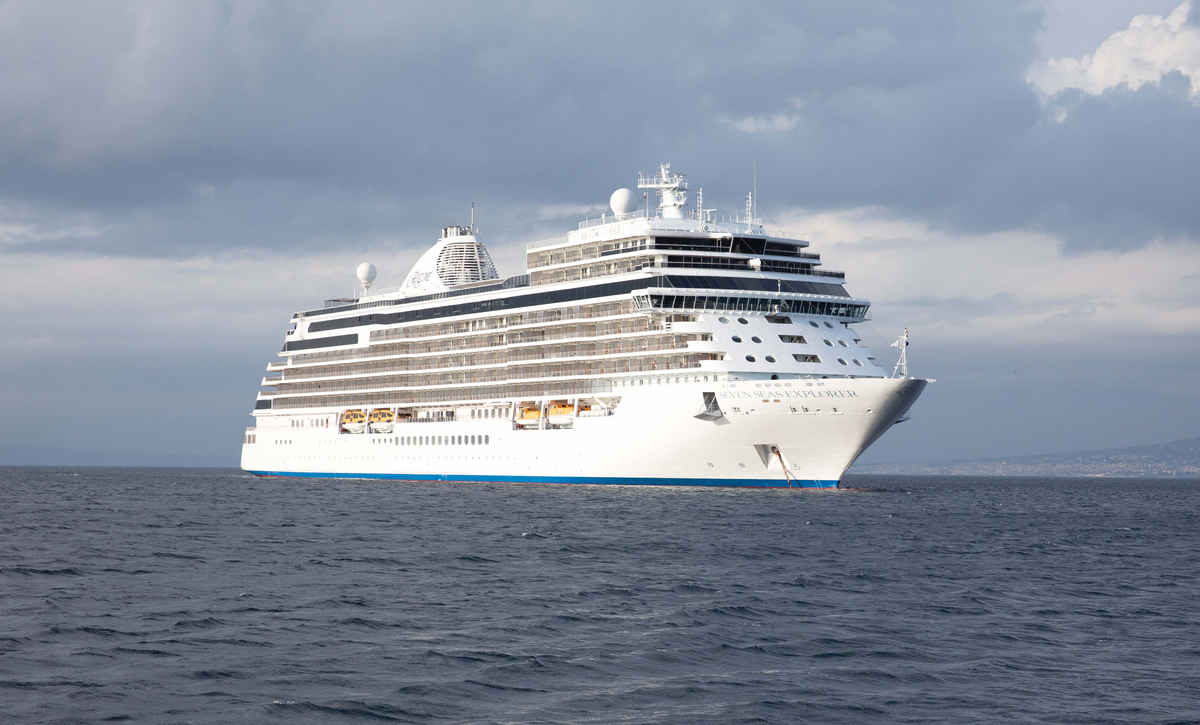
Seven Seas Explorer
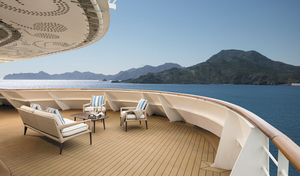
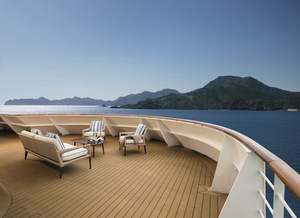
Seven Seas Explorer® took luxury cruising to the next level, from the palatial Regent Suite to the hand-picked art accentuating her halls.