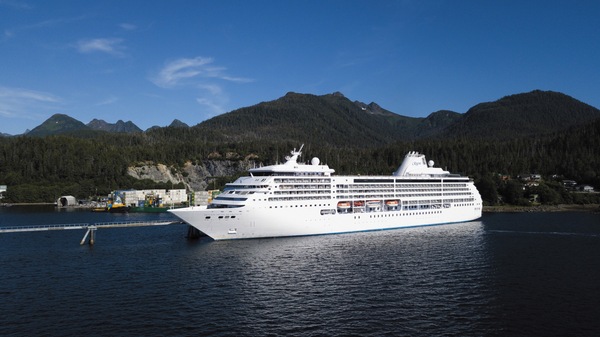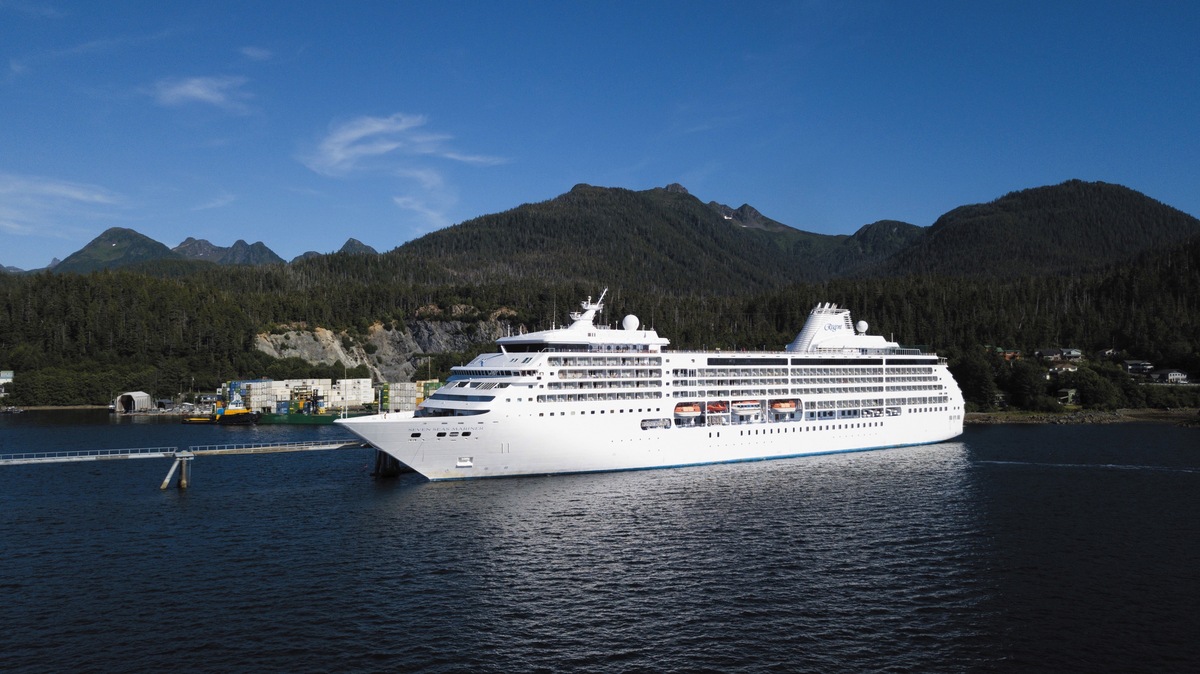
Timeless Europe
Cruise only — prices from Solo cruise only — from

Ports of Call & Itinerary
14-night voyage departing IJmuiden, arriving Reykjavík.
Printable Itinerary (PDF)Route Map
Timeless Europe
13 ports plotted · click a marker for details
Day 1
IJmuiden , Netherlands
Friday, 08/09/2028
North Holland’s ‘Gate to the North Sea’, IJmuiden has four harbours: the Vissershaven, Haringhaven, IJmondhaven and the Seaport Marina - the latter used by pleasure craft. It is the largest Dutch fishing port, but is a relatively young town: it grew up in the 1870s when the North Sea Canal was opened. During World War II, the German Navy demolished much of the town and built huge fortified concrete bunkers for their torpedo boats and submarines. After 1945, the town was rebuilt by the architect Willem Marinus Dudok. He designed IJmuiden’s most impressive building, the Stadhuis van Velsen, which houses local government offices. For cruise passengers IJmuiden is the gateway to Amsterdam, the Dutch capital and one of Europe’s truly great cities, where elegant canals are lined by old brick gabled houses, and superb art galleries and museums are home to some of the world’s best-known paintings. Please note that complimentary shuttle buses operate from the port to the centre of IJmuiden, not to Amsterdam.
Day 2
Zeebrugge , Belgium
Saturday, 09/09/2028
In 1895 work began to construct a new seaport and harbour next to the tiny village of Zeebrugge, situated on the North Sea coast. Today the fast-expanding port of Zeebrugge is one of the busiest in Europe and its marina is Belgium’s most important fishing port. Many attempts were made to destroy this important port during both World Wars. Zeebrugge is ideally located for discovering the historic city of Bruges, and delightful seaside resorts with long sandy beaches can be visited by using the trams that run the whole length of the Belgian coast. Please note that no food may be taken ashore in Belgium. We shall not be offering shuttle buses to Bruges, but you may visit the city on an optional excursion: those visiting Bruges should note that there may be quite a long walk from the coach to the town centre.
Day 3
Dover , England
Sunday, 10/09/2028
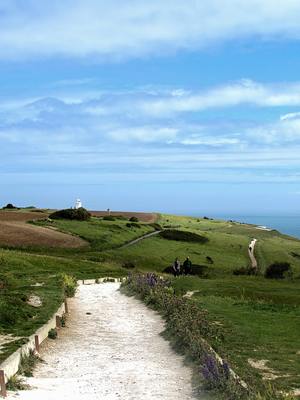
Known as the gateway of England, Dover welcomes millions of visitors from all over the globe each year in its role as the ferry capital of the world and the second busiest cruise port in the UK. The White Cliffs Country has a rich heritage. Within the walls of the town’s iconic castle, over 2,000 years of history waits to be explored, whilst the town’s museum is home to the Dover Bronze Age Boat, the world’s oldest known seagoing vessel. The town’s cliffs that are a welcome sight for today's cross-channel travellers also served as the control centre for the Dunkirk evacuation in 1940.
Day 4
Le Havre , France
Monday, 11/09/2028
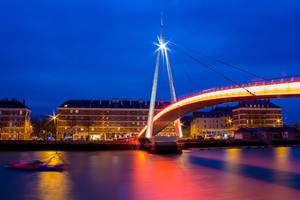
Le Havre, founded by King Francis I of France in 1517, is located inUpper Normandy on the north bank of the mouth of the River Seine, which isconsidered the most frequented waterway in the world. Its port is ranked thesecond largest in France. The city was originally built on marshland andmudflats that were drained in the 1500’s. During WWII most of Le Havre wasdestroyed by Allied bombing raids. Post war rebuilding of the city followed thedevelopment plans of the well-known Belgian architect Auguste Perre. Thereconstruction was so unique that the entire city was listed as a UNESCO WorldHeritage Site in 2005.
Day 5
Cruising the Celtic Sea
Tuesday, 12/09/2028
Day 6
Cobh , Ireland
Wednesday, 13/09/2028
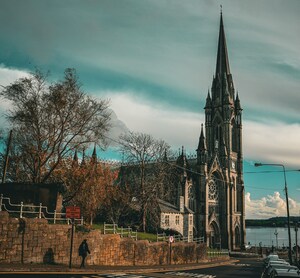
Cork City's nearby harbor district has seen plenty of history. Cork Harbour's draws include Fota Island—with an arboretum, a wildlife park, and the Fota House ancestral estate—and the fishing port of Cobh.
Day 7
Waterford , Ireland
Thursday, 14/09/2028
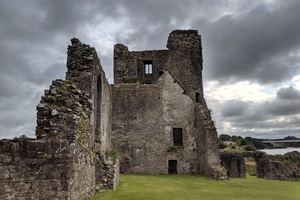
The largest town in the Southeast and Ireland's oldest city, Waterford was founded by the Vikings in the 9th century and was taken over by Strongbow, the Norman invader, with much bloodshed in 1170. The city resisted Cromwell's 1649 attacks, but fell the following year. It did not prosper again until 1783, when George and William Penrose set out to create "plain and cut flint glass, useful and ornamental," and thereby set in motion a glass-manufacturing industry long without equal. The famed glassworks closed after the 2008 financial crisis, but Waterford Crystal has triumphantly risen again from the flames in a smaller, leaner version, opened in 2010 and now relocated to the Mall.
Day 8
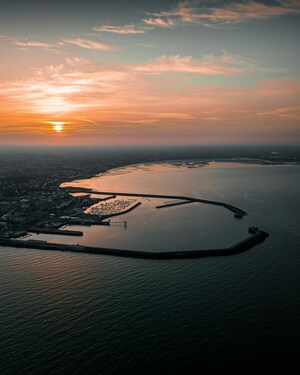
Dun Laoghaire , Ireland
Friday, 15/09/2028
Day 9
Liverpool , England
Saturday, 16/09/2028
From world-class attractions and sports to legendary music, Liverpool offers old-world charm with modern sophistication, underpinned by a rich cultural history.

Day 10
Glasgow , Scotland
Sunday, 17/09/2028
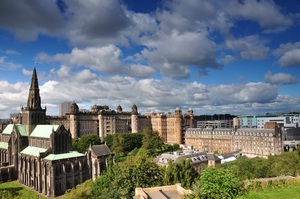
Start your adventure in Scotland’s largest city, Glasgow which is overflowing with historic landmarks and a vibrant culture. The distinct architecture is reminiscent classic 19th-century fused together with modern early 20th-century dubbed ‘Glasgow Style’. The checkerboard layout makes the city easy to navigate with lively street entertainment around every corner.
Day 11
Belfast , Northern Ireland
Monday, 18/09/2028
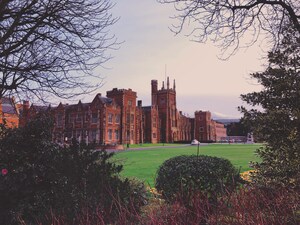
Before English and Scottish settlers arrived in the 1600s, Belfast was a tiny village called Béal Feirste ("sandbank ford") belonging to Ulster's ancient O'Neill clan. With the advent of the Plantation period (when settlers arrived in the 1600s), Sir Arthur Chichester, from Devon in southwestern England, received the city from the English Crown, and his son was made Earl of Donegall. Huguenots fleeing persecution from France settled near here, bringing their valuable linen-work skills. In the 18th century, Belfast underwent a phenomenal expansion—its population doubled every 10 years, despite an ever-present sectarian divide. Although the Anglican gentry despised the Presbyterian artisans—who, in turn, distrusted the native Catholics—Belfast's growth continued at a dizzying speed. The city was a great Victorian success story, an industrial boomtown whose prosperity was built on trade, especially linen and shipbuilding. Famously (or infamously), the Titanic was built here, giving Belfast, for a time, the nickname "Titanic Town." Having laid the foundation stone of the city's university in 1845, Queen Victoria returned to Belfast in 1849 (she is recalled in the names of buildings, streets, bars, monuments, and other places around the city), and in the same year, the university opened under the name Queen's College. Nearly 40 years later, in 1888, Victoria granted Belfast its city charter. Today its population is nearly 300,000, tourist numbers have increased, and this dramatically transformed city is enjoying an unparalleled renaissance.This is all a welcome change from the period when news about Belfast meant reports about "the Troubles." Since the 1994 ceasefire, Northern Ireland's capital city has benefited from major hotel investment, gentrified quaysides (or strands), a sophisticated new performing arts center, and major initiatives to boost tourism. Although the 1996 bombing of offices at Canary Wharf in London disrupted the 1994 peace agreement, the ceasefire was officially reestablished on July 20, 1997, and this embattled city began its quest for a newfound identity.Since 2008, the city has restored all its major public buildings such as museums, churches, theaters, City Hall, Ulster Hall—and even the glorious Crown Bar—spending millions of pounds on its built heritage. A gaol that at the height of the Troubles held some of the most notorious murderers involved in paramilitary violence is now a major visitor attraction.Belfast's city center is made up of three roughly contiguous areas that are easy to navigate on foot. From the south end to the north, it's about an hour's leisurely walk.
Day 12
Stornoway, Isle of Lewis , Scotland
Tuesday, 19/09/2028
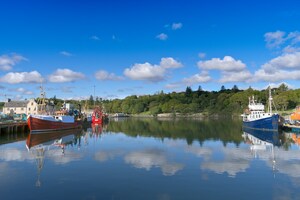
Tour description Stornoway, Scotland The Isle of Lewis and Harris is the northernmost and largest of the Outer Hebrides-the Western Isles in common parlance. The island's only major town, Stornoway, is on a nearly landlocked harbor on the east coast of Lewis. It's the port capital for the Outer Hebrides and the island's cultural center, such that it is. Stornoway has an increasing number of good restaurants. Lewis has some fine historic attractions, including the Calanais Standing Stones-a truly magical place. The Uists are known for their rare, plentiful wildlife. Stornoway. Besides being the island's main entry point for ferries, Stornoway is also Lewis's main arts center. You'll find some good restaurants in town if you want to have lunch off the ship. The town can be explored by bicycle if you are so inclined. Local rental shops can give you advice on where to ride, including a route to Tolsta that takes in five stunning beaches before reaching the edge of moorland. An Lanntair Arts Centre. The fabulous An Lanntair Arts Centre has exhibitions of contemporary and traditional art, as well as a cinema, a gift shop, and a restaurant serving international and Scottish fare. There are frequent traditional musical and theatrical events in the impressive auditorium. Kenneth St.. Black House. In the small community of Arnol, the Black House is a well-preserved example of an increasingly rare type of traditional Hebridean home. Once common throughout the islands-even into the 1950s-these dwellings were built without mortar and thatched on a timber framework without eaves. Other characteristic features include an open central peat hearth and the absence of a chimney-hence the soot and the designation black. On display inside are many of the house's original furnishings. To reach Arnol from Port of Ness, head south on the A857 and pick up the A858 at Barvas. Off A858, 21 mi southwest of Port of Ness. Admission charged. Calanais Standing Stones. These impressive stones are actually part of a cluster of several different archaeological sites in this area. Probably positioned in several stages between 3000 BC and 1500 BC, the grouping consists of an avenue of 19 monoliths extending northward from a circle of 13 stones, with other rows leading south, east, and west. Ruins of a cairn sit within the circle on the east side. Researchers believe they may have been used for astronomical observations, but you can create your own explanations. The visitor center has an exhibit on the stones, a gift shop, and a tearoom. On an unmarked road off A858. Admission charged. Dun Carloway. One of the best-preserved Iron Age brochs (circular stone towers) in Scotland, Dun Carloway dominates the scattered community of Carloway. The mysterious tower was probably built around 2,000 years ago as protection against seaborne raiders. The Dun Broch Centre explains more about the broch and its setting. Off A857. Gearrannan. Up a side road north from Carloway, Gearrannan is an old black-house village that has been brought back to life with a museum screening excellent short films on peat cutting and weaving. For a unique experience, groups can rent the restored houses. Leverburgh. At Leverburgh you can take the ferry to North Uist. Nearby Northton has several attractions; St. Clement's Church at Rodel is particularly worth a visit. MacGillivray Centre. Located in a round building overlooking the bay, the MacGillivray Centre gives insight into the life and work of William MacGillivray (1796-1852), a noted naturalist with strong links to Harris. MacGillivray authored the five-volume History of British Birds. This is a great location for a picnic (there are tables for just such a purpose). A walk to a ruined church starts at the parking lot. A859, Northton. Seallam! Visitor Centre and Co Leis Thu? Genealogical Research Centre. The center is where you can trace your Western Isles ancestry. Photographs and interpretive signs describe the history of Harris and its people. The owners organize guided walks and cultural evenings weekly between May and September. Off A859, Northton. Admission charged. St. Clement's Church. At the southernmost point of Harris is the community of Rodel, where you can find St. Clement's Church, a cruciform church standing on a hillock. This is the most impressive pre-Reformation church in the Outer Hebrides; it was built around 1500 and contains the magnificently sculptured tomb (1528) of the church's builder, Alasdair Crotach, MacLeod chief of Dunvegan Castle. Rodel is 3 mi south of Leverburgh and 21 mi south of Tarbert. A859, Rodel. Port of Ness. The stark, windswept community of Port of Ness, 30 mi north of Stornoway, cradles a small harbor squeezed in among the rocks. Butt of Lewis Lighthouse. At the northernmost point of Lewis stands the Butt of Lewis Lighthouse, designed by David and Thomas Stevenson (of the prominent engineering family whose best-known member was not an engineer at all, but the novelist Robert Louis Stevenson). The structure was first lighted in 1862. The adjacent cliffs provide a good vantage point for viewing seabirds, whales, and porpoises. The lighthouse is northwest of Port of Ness along the B8014. Shopping Harris tweed is available at many outlets on the islands, including some of the weavers' homes; keep an eye out for signs directing you to weavers' workshops. Harris Tweed Artisans Cooperative. The Harris Tweed Artisans Cooperative sells stylish and quirky hand-crafted tweed clothing, hats, accessories, all made by artists belonging to the cooperative. 40 Point St., Stornoway. Borgh Pottery. At Borgh Pottery, open from Monday to Saturday 9:30 to 6, you can buy attractive hand-thrown studio pottery made on the premises, including lamps, vases, mugs, and dishes. Fivepenny House, A857, Borve.
Day 13
Sailing the Atlantic Ocean
Wednesday, 20/09/2028
Day 14
Reykjavík , Iceland
Thursday, 21/09/2028
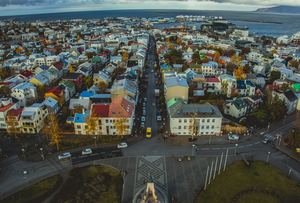
Sprawling Reykjavík, the nation's nerve center and government seat, is home to half the island's population. On a bay overlooked by proud Mt. Esja (pronounced eh-shyuh), with its ever-changing hues, Reykjavík presents a colorful sight, its concrete houses painted in light colors and topped by vibrant red, blue, and green roofs. In contrast to the almost treeless countryside, Reykjavík has many tall, native birches, rowans, and willows, as well as imported aspen, pines, and spruces.Reykjavík's name comes from the Icelandic words for smoke, reykur, and bay, vík. In AD 874, Norseman Ingólfur Arnarson saw Iceland rising out of the misty sea and came ashore at a bay eerily shrouded with plumes of steam from nearby hot springs. Today most of the houses in Reykjavík are heated by near-boiling water from the hot springs. Natural heating avoids air pollution; there's no smoke around. You may notice, however, that the hot water brings a slight sulfur smell to the bathroom.Prices are easily on a par with other major European cities. A practical option is to purchase a Reykjavík City Card at the Tourist Information Center or at the Reykjavík Youth Hostel. This card permits unlimited bus usage and admission to any of the city's seven pools, the Family Park and Zoo, and city museums. The cards are valid for one (ISK 3,300), two (ISK 4,400), or three days (ISK 4,900), and they pay for themselves after three or four uses a day. Even lacking the City Card, paying admission (ISK 500, or ISK 250 for seniors and people with disabilities) to one of the city art museums (Hafnarhús, Kjarvalsstaðir, or Ásmundarsafn) gets you free same-day admission to the other two.
Day 15
Reykjavík , Iceland
Friday, 22/09/2028
Sprawling Reykjavík, the nation's nerve center and government seat, is home to half the island's population. On a bay overlooked by proud Mt. Esja (pronounced eh-shyuh), with its ever-changing hues, Reykjavík presents a colorful sight, its concrete houses painted in light colors and topped by vibrant red, blue, and green roofs. In contrast to the almost treeless countryside, Reykjavík has many tall, native birches, rowans, and willows, as well as imported aspen, pines, and spruces.Reykjavík's name comes from the Icelandic words for smoke, reykur, and bay, vík. In AD 874, Norseman Ingólfur Arnarson saw Iceland rising out of the misty sea and came ashore at a bay eerily shrouded with plumes of steam from nearby hot springs. Today most of the houses in Reykjavík are heated by near-boiling water from the hot springs. Natural heating avoids air pollution; there's no smoke around. You may notice, however, that the hot water brings a slight sulfur smell to the bathroom.Prices are easily on a par with other major European cities. A practical option is to purchase a Reykjavík City Card at the Tourist Information Center or at the Reykjavík Youth Hostel. This card permits unlimited bus usage and admission to any of the city's seven pools, the Family Park and Zoo, and city museums. The cards are valid for one (ISK 3,300), two (ISK 4,400), or three days (ISK 4,900), and they pay for themselves after three or four uses a day. Even lacking the City Card, paying admission (ISK 500, or ISK 250 for seniors and people with disabilities) to one of the city art museums (Hafnarhús, Kjarvalsstaðir, or Ásmundarsafn) gets you free same-day admission to the other two.
Room Type & Prices
All prices per person based on double occupancy. Solo traveller prices — single occupancy. Contact our cruise experts for the latest availability and best fares.
Prices include return flights from your chosen departure airport.

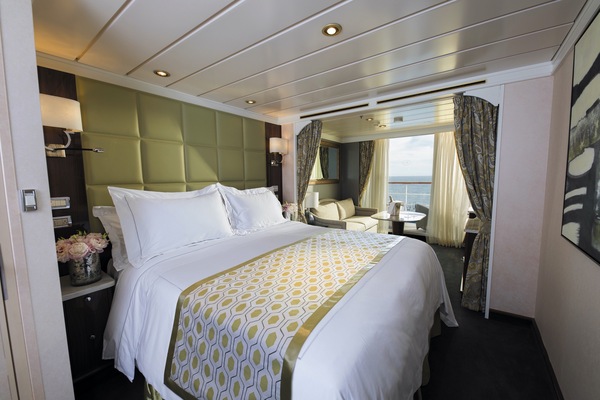
Deluxe Veranda Suite
301 sqft · Up to 3 guests
Concierge Suite
301 sqft · Up to 3 guests
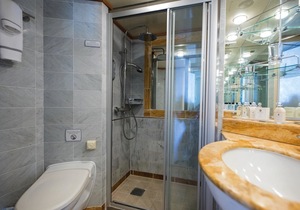
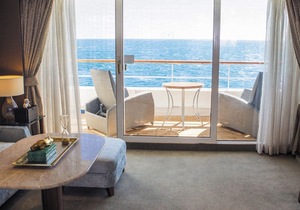
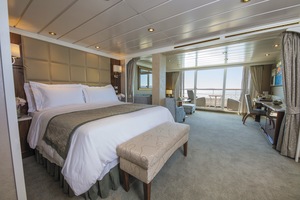
Penthouse Suite
449 sqft · Up to 3 guests
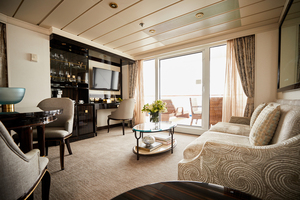
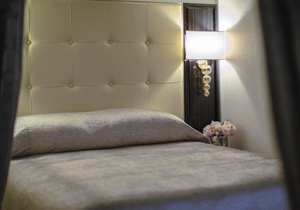
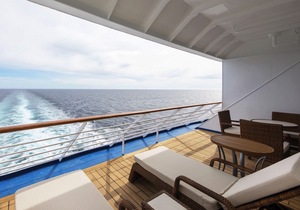
Horizon View Suite
628 sqft · Up to 3 guests

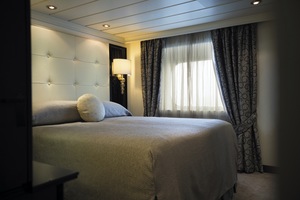
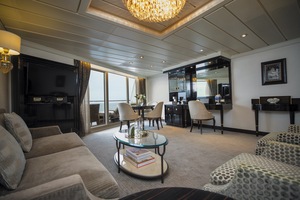
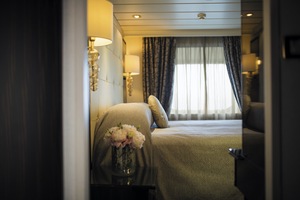
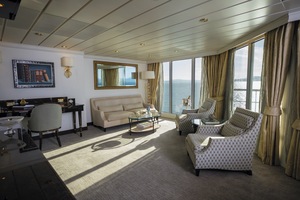
Seven Seas Suite
601–847 sqft · Up to 3 guests
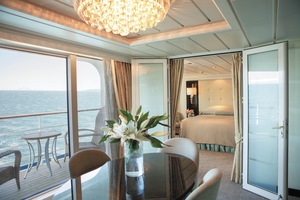
Mariner Suite
740 sqft · Up to 4 guests
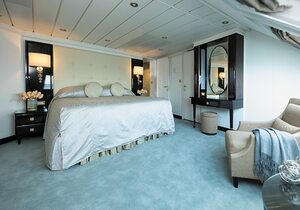
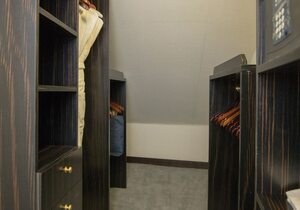
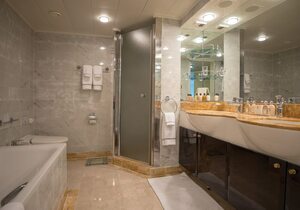
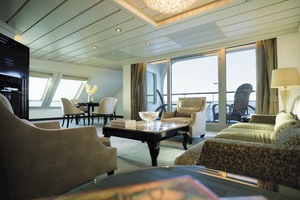
Grand Suite
987 sqft · Up to 3 guests
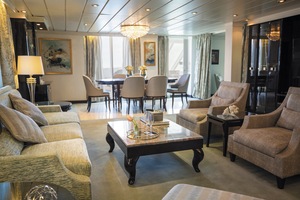
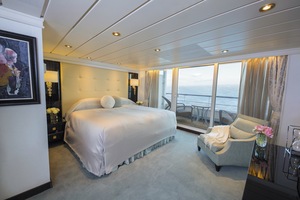
Signature Suite
2002 sqft · Up to 5 guests
Suite
| Cabin | Grade | Per Person | Avail. | |
|---|---|---|---|---|
| Deluxe Veranda Suite · 301 sqft | H Deluxe Veranda Suite (H) | Enquire → | ||
| G Deluxe Veranda Suite (G) | Enquire → | |||
| F Deluxe Veranda Suite (F) | Enquire → | |||
| Concierge Suite · 301 sqft | E Concierge Suite (E) | Enquire → | ||
| D Concierge Suite (D) | Enquire → | |||
| Penthouse Suite · 449 sqft | C Penthouse Suite (C) | Enquire → | ||
| B Penthouse Suite (B) | Enquire → | |||
| A Penthouse Suite (A) | Enquire → | |||
| Horizon View Suite · 628 sqft | HS | Enquire → | ||
| Seven Seas Suite · 601–847 sqft | SS | Enquire → | ||
| Mariner Suite · 740 sqft | MN | Enquire → | ||
| Grand Suite · 987 sqft | GS | Enquire → | ||
| Signature Suite · 2002 sqft | SG | Enquire → |
Deluxe Veranda Suite · 301 sqft
H Deluxe Veranda Suite (H)
Deluxe Veranda Suite · 301 sqft
G Deluxe Veranda Suite (G)
Deluxe Veranda Suite · 301 sqft
F Deluxe Veranda Suite (F)
Concierge Suite · 301 sqft
E Concierge Suite (E)
Concierge Suite · 301 sqft
D Concierge Suite (D)
Penthouse Suite · 449 sqft
C Penthouse Suite (C)
Penthouse Suite · 449 sqft
B Penthouse Suite (B)
Penthouse Suite · 449 sqft
A Penthouse Suite (A)
Horizon View Suite · 628 sqft
HS
Seven Seas Suite · 601–847 sqft
SS
Mariner Suite · 740 sqft
MN
Grand Suite · 987 sqft
GS
Signature Suite · 2002 sqft
SG
More Departures
7 nights
Mediterranean Discovery
17/10/2026
From
£7,699
16 nights
Epic Atlantic Escapade
30/10/2026
From
£107,239
15 nights
Sapphire Sea Dreams
15/11/2026
From
£100,579
7 nights
Fall For The Caribbean
22/11/2026
From
£7,519
10 nights
Turkish Treasures
27/11/2026
From
£7,959
10 nights
Sunset Serenity
01/12/2026
From
£5,849
Your Ship
Seven Seas Mariner
Seven Seas Mariner® exudes class, from the delectable offerings of Chartreuse to the debonair atmosphere of the Connoisseur Club.
Attention to detail distinguishes Regent Seven Sea Cruises™ and the exceptional suites on Seven Seas Mariner®. With our all-inclusive fares, every guest enjoys spacious closets, well-appointed bathrooms and a private balcony with views of the shimmering sea.