7 Night Best Of Greece & Egypt Cruise
Cruise only — prices from Solo cruise only — from

Ports of Call & Itinerary
7-night voyage departing Piraeus.
Printable Itinerary (PDF)Route Map
7 Night Best Of Greece & Egypt Cruise
6 ports plotted · click a marker for details
Day 1
Piraeus , Greece
Saturday, 08/07/2028
It's no wonder that all roads lead to the fascinating and maddening metropolis of Athens. Lift your eyes 200 feet above the city to the Parthenon, its honey-color marble columns rising from a massive limestone base, and you behold architectural perfection that has not been surpassed in 2,500 years. But, today, this shrine of classical form dominates a 21st-century boomtown. To experience Athens—Athína in Greek—fully is to understand the essence of Greece: ancient monuments surviving in a sea of cement, startling beauty amid the squalor, tradition juxtaposed with modernity. Locals depend on humor and flexibility to deal with the chaos; you should do the same. The rewards are immense. Although Athens covers a huge area, the major landmarks of the ancient Greek, Roman, and Byzantine periods are close to the modern city center. You can easily walk from the Acropolis to many other key sites, taking time to browse in shops and relax in cafés and tavernas along the way. From many quarters of the city you can glimpse "the glory that was Greece" in the form of the Acropolis looming above the horizon, but only by actually climbing that rocky precipice can you feel the impact of the ancient settlement. The Acropolis and Filopappou, two craggy hills sitting side by side; the ancient Agora (marketplace); and Kerameikos, the first cemetery, form the core of ancient and Roman Athens. Along the Unification of Archaeological Sites promenade, you can follow stone-paved, tree-lined walkways from site to site, undisturbed by traffic. Cars have also been banned or reduced in other streets in the historical center. In the National Archaeological Museum, vast numbers of artifacts illustrate the many millennia of Greek civilization; smaller museums such as the Goulandris Museum of Cycladic Art Museum and the Byzantine and Christian Museum illuminate the history of particular regions or periods. Athens may seem like one huge city, but it is really a conglomeration of neighborhoods with distinctive characters. The Eastern influences that prevailed during the 400-year rule of the Ottoman Empire are still evident in Monastiraki, the bazaar area near the foot of the Acropolis. On the northern slope of the Acropolis, stroll through Plaka (if possible by moonlight), an area of tranquil streets lined with renovated mansions, to get the flavor of the 19th-century's gracious lifestyle. The narrow lanes of Anafiotika, a section of Plaka, thread past tiny churches and small, color-washed houses with wooden upper stories, recalling a Cycladic island village. In this maze of winding streets, vestiges of the older city are everywhere: crumbling stairways lined with festive tavernas; dank cellars filled with wine vats; occasionally a court or diminutive garden, enclosed within high walls and filled with magnolia trees and the flaming trumpet-shaped flowers of hibiscus bushes. Formerly run-down old quarters, such as Thission, Gazi and Psirri, popular nightlife areas filled with bars and mezedopoleia (similar to tapas bars), are now in the process of gentrification, although they still retain much of their original charm, as does the colorful produce and meat market on Athinas. The area around Syntagma Square, the tourist hub, and Omonia Square, the commercial heart of the city about 1 km (½ mi) northwest, is distinctly European, having been designed by the court architects of King Otho, a Bavarian, in the 19th century. The chic shops and bistros of ritzy Kolonaki nestle at the foot of Mt. Lycabettus, Athens's highest hill (909 feet). Each of Athens's outlying suburbs has a distinctive character: in the north is wealthy, tree-lined Kifissia, once a summer resort for aristocratic Athenians, and in the south and southeast lie Glyfada, Voula, and Vouliagmeni, with their sandy beaches, seaside bars, and lively summer nightlife. Just beyond the city's southern fringes is Piraeus, a bustling port city of waterside fish tavernas and Saronic Gulf views.

Day 2
Katakolon , Greece
Sunday, 09/07/2028
Katakolon could not seem less of a cruise port if it tried. A tiny enclave clinging to the western Peloponnese coast, it's a sleepy place except when ships dock. But it's a popular cruise destination because of its proximity to Olympia. Ancient Olympia was one of the most important cities in classical Greece. The Sanctuary of Zeus was the city's raison d'être, and attracted pilgrims from around the eastern Mediterranean, and later the city played host to Olympic Games, the original athletic games that were the inspiration for today's modern sporting pan-planetary meet. At the foot of the tree-covered Kronion hill, in a valley near two rivers, Katakolon is today one of the most popular ancient sites in Greece. If you don't want to make the trip to Olympia, then Katakolon is an ideal place for a leisurely Greek lunch while you watch the fishermen mend their nets, but there's just not much else to do there.
Day 4
Alexandria , Egypt
Tuesday, 11/07/2028
Founded by Alexander the Great, Alexandria was Egypt's capital for over 1,000 years. Now, it is visited by tourists looking to enjoy some diving and those interested in the Great Library, one of the Seven Wonders of the Ancient World.
Day 5
Alexandria , Egypt
Wednesday, 12/07/2028
Founded by Alexander the Great, Alexandria was Egypt's capital for over 1,000 years. Now, it is visited by tourists looking to enjoy some diving and those interested in the Great Library, one of the Seven Wonders of the Ancient World.
Day 7
Santorini , Greece
Friday, 14/07/2028
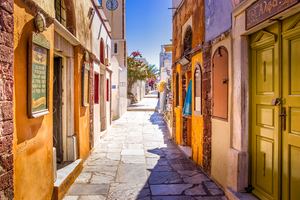
Undoubtedly the most extraordinary island in the Aegean, crescent-shape Santorini remains a mandatory stop on the Cycladic tourist route—even if it's necessary to enjoy the sensational sunsets from Ia, the fascinating excavations, and the dazzling white towns with a million other travelers. Called Kállisti (the "Loveliest") when first settled, the island has now reverted to its subsequent name of Thira, after the 9th-century-BC Dorian colonizer Thiras. The place is better known, however, these days as Santorini, a name derived from its patroness, St. Irene of Thessaloniki, the Byzantine empress who restored icons to Orthodoxy and died in 802. You can fly conveniently to Santorini, but to enjoy a true Santorini rite of passage, opt instead for the boat trip here, which provides a spectacular introduction. After the boat sails between Sikinos and Ios, your deck-side perch approaches two close islands with a passage between them. The bigger one on the left is Santorini, and the smaller on the right is Thirassia. Passing between them, you see the village of Ia adorning Santorini's northernmost cliff like a white geometric beehive. You are in the caldera (volcanic crater), one of the world's truly breathtaking sights: a demilune of cliffs rising 1,100 feet, with the white clusters of the towns of Fira and Ia perched along the top. The bay, once the high center of the island, is 1,300 feet in some places, so deep that when boats dock in Santorini's shabby little port of Athinios, they do not drop anchor. The encircling cliffs are the ancient rim of a still-active volcano, and you are sailing east across its flooded caldera. On your right are the Burnt isles, the White isle, and other volcanic remnants, all lined up as if some outsize display in a geology museum. Hephaestus's subterranean fires smolder still—the volcano erupted in 198 BC, about 735, and there was an earthquake in 1956. Indeed, Santorini and its four neighboring islets are the fragmentary remains of a larger landmass that exploded about 1600 BC: the volcano's core blew sky high, and the sea rushed into the abyss to create the great bay, which measures 10 km by 7 km (6 mi by 4½ mi) and is 1,292 feet deep. The other pieces of the rim, which broke off in later eruptions, are Thirassia, where a few hundred people live, and deserted little Aspronissi ("White isle"). In the center of the bay, black and uninhabited, two cones, the Burnt Isles of Palea Kameni and Nea Kameni, appeared between 1573 and 1925. There has been too much speculation about the identification of Santorini with the mythical Atlantis, mentioned in Egyptian papyri and by Plato (who says it's in the Atlantic), but myths are hard to pin down. This is not true of old arguments about whether tidal waves from Santorini's cataclysmic explosion destroyed Minoan civilization on Crete, 113 km (70 mi) away. The latest carbon-dating evidence, which points to a few years before 1600 BC for the eruption, clearly indicates that the Minoans outlasted the eruption by a couple of hundred years, but most probably in a weakened state. In fact, the island still endures hardships: since antiquity, Santorini has depended on rain collected in cisterns for drinking and irrigating—the well water is often brackish—and the serious shortage is alleviated by the importation of water. However, the volcanic soil also yields riches: small, intense tomatoes with tough skins used for tomato paste (good restaurants here serve them); the famous Santorini fava beans, which have a light, fresh taste; barley; wheat; and white-skin eggplants.
Day 8
Piraeus , Greece
Saturday, 15/07/2028
It's no wonder that all roads lead to the fascinating and maddening metropolis of Athens. Lift your eyes 200 feet above the city to the Parthenon, its honey-color marble columns rising from a massive limestone base, and you behold architectural perfection that has not been surpassed in 2,500 years. But, today, this shrine of classical form dominates a 21st-century boomtown. To experience Athens—Athína in Greek—fully is to understand the essence of Greece: ancient monuments surviving in a sea of cement, startling beauty amid the squalor, tradition juxtaposed with modernity. Locals depend on humor and flexibility to deal with the chaos; you should do the same. The rewards are immense. Although Athens covers a huge area, the major landmarks of the ancient Greek, Roman, and Byzantine periods are close to the modern city center. You can easily walk from the Acropolis to many other key sites, taking time to browse in shops and relax in cafés and tavernas along the way. From many quarters of the city you can glimpse "the glory that was Greece" in the form of the Acropolis looming above the horizon, but only by actually climbing that rocky precipice can you feel the impact of the ancient settlement. The Acropolis and Filopappou, two craggy hills sitting side by side; the ancient Agora (marketplace); and Kerameikos, the first cemetery, form the core of ancient and Roman Athens. Along the Unification of Archaeological Sites promenade, you can follow stone-paved, tree-lined walkways from site to site, undisturbed by traffic. Cars have also been banned or reduced in other streets in the historical center. In the National Archaeological Museum, vast numbers of artifacts illustrate the many millennia of Greek civilization; smaller museums such as the Goulandris Museum of Cycladic Art Museum and the Byzantine and Christian Museum illuminate the history of particular regions or periods. Athens may seem like one huge city, but it is really a conglomeration of neighborhoods with distinctive characters. The Eastern influences that prevailed during the 400-year rule of the Ottoman Empire are still evident in Monastiraki, the bazaar area near the foot of the Acropolis. On the northern slope of the Acropolis, stroll through Plaka (if possible by moonlight), an area of tranquil streets lined with renovated mansions, to get the flavor of the 19th-century's gracious lifestyle. The narrow lanes of Anafiotika, a section of Plaka, thread past tiny churches and small, color-washed houses with wooden upper stories, recalling a Cycladic island village. In this maze of winding streets, vestiges of the older city are everywhere: crumbling stairways lined with festive tavernas; dank cellars filled with wine vats; occasionally a court or diminutive garden, enclosed within high walls and filled with magnolia trees and the flaming trumpet-shaped flowers of hibiscus bushes. Formerly run-down old quarters, such as Thission, Gazi and Psirri, popular nightlife areas filled with bars and mezedopoleia (similar to tapas bars), are now in the process of gentrification, although they still retain much of their original charm, as does the colorful produce and meat market on Athinas. The area around Syntagma Square, the tourist hub, and Omonia Square, the commercial heart of the city about 1 km (½ mi) northwest, is distinctly European, having been designed by the court architects of King Otho, a Bavarian, in the 19th century. The chic shops and bistros of ritzy Kolonaki nestle at the foot of Mt. Lycabettus, Athens's highest hill (909 feet). Each of Athens's outlying suburbs has a distinctive character: in the north is wealthy, tree-lined Kifissia, once a summer resort for aristocratic Athenians, and in the south and southeast lie Glyfada, Voula, and Vouliagmeni, with their sandy beaches, seaside bars, and lively summer nightlife. Just beyond the city's southern fringes is Piraeus, a bustling port city of waterside fish tavernas and Saronic Gulf views.
Room Type & Prices
All prices per person based on double occupancy. Solo traveller prices — single occupancy. Contact our cruise experts for the latest availability and best fares.
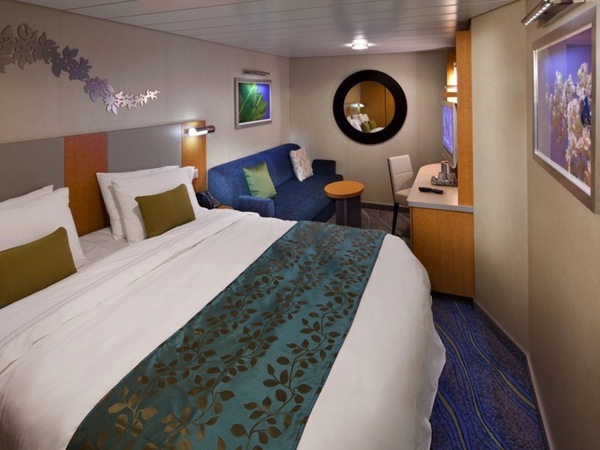
Interior Guarantee
136 sqft · Up to 4 guests
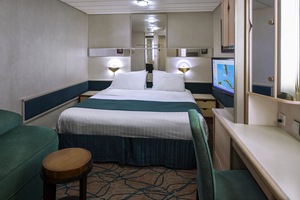
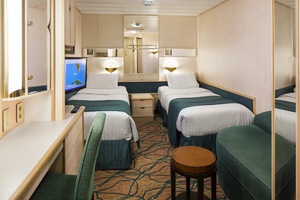
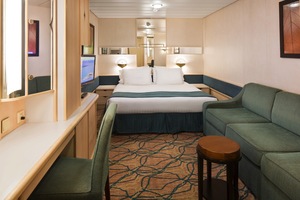
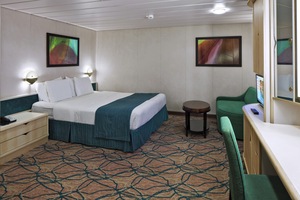
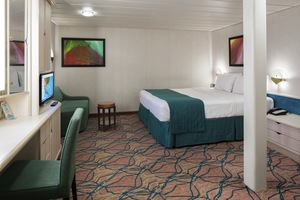
Interior
136 sqft · Up to 4 guests
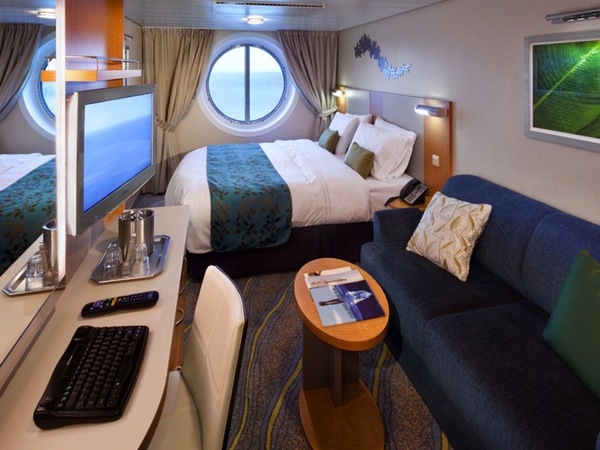
Ocean View Guarantee
151 sqft · Up to 4 guests
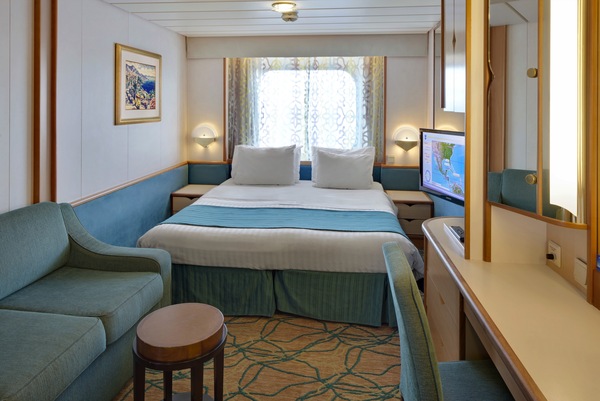
Ocean View
126 sqft · Up to 4 guests
Connecting Ocean View
151 sqft · Up to 2 guests
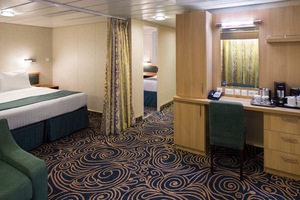
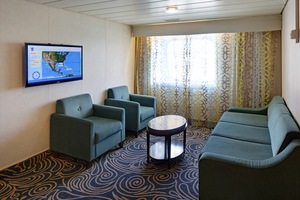
Spacious Ocean View
193 sqft · Up to 4 guests
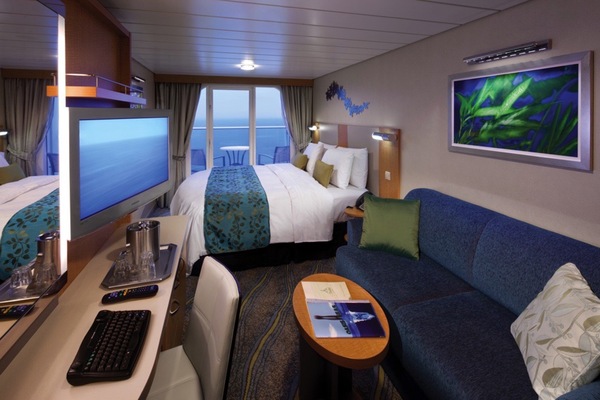
Ocean View Balcony Guarantee
230 sqft · Up to 4 guests
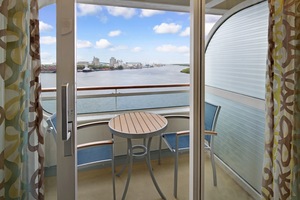
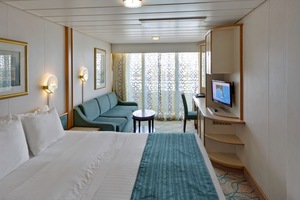
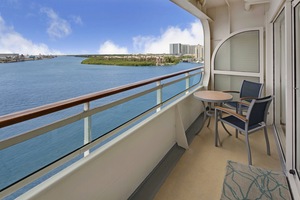
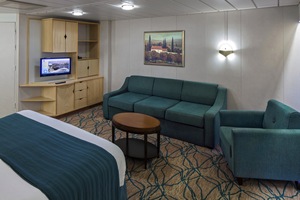
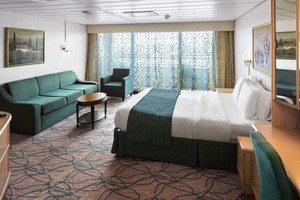
Spacious Ocean View Balcony
230 sqft · Up to 4 guests
Spacious Sunset Ocean View Balcony
236 sqft · Up to 4 guests
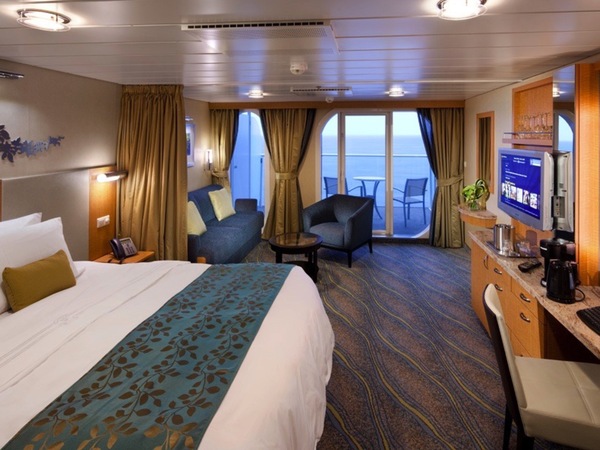
Suite Guarantee
307 sqft · Up to 4 guests
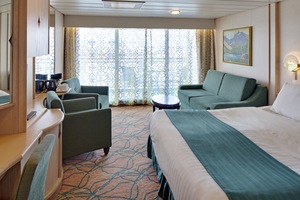
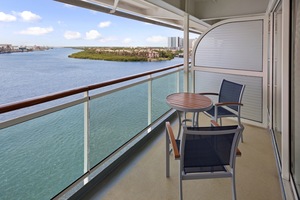
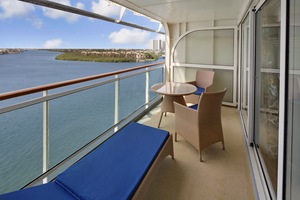
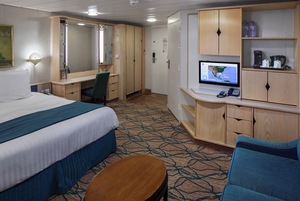
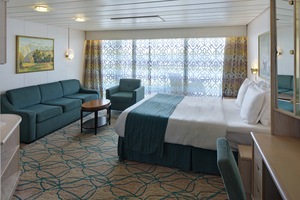
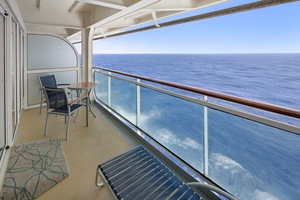
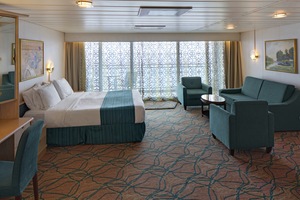
Junior Suite
307 sqft · Up to 4 guests
Sunset Junior Suite
307–358 sqft · Up to 4 guests
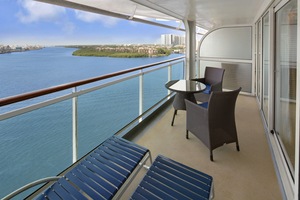
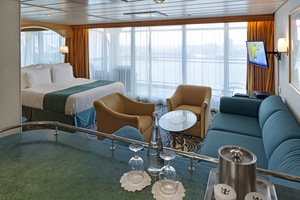
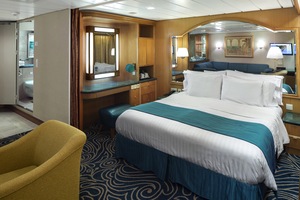
Grand Suite - 1 Bedroom
453 sqft · Up to 5 guests
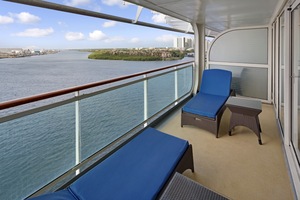
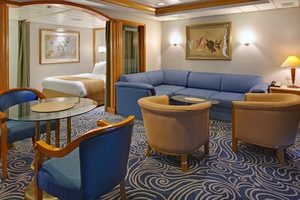
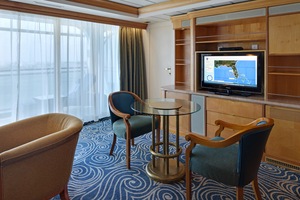
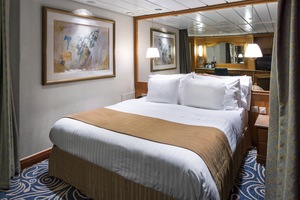
Owner's Suite - 1 Bedroom
621 sqft · Up to 4 guests
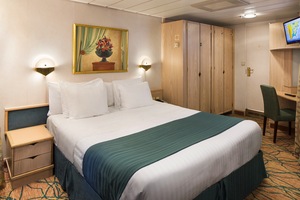
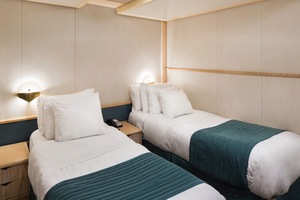
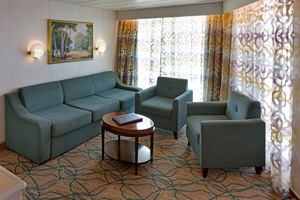
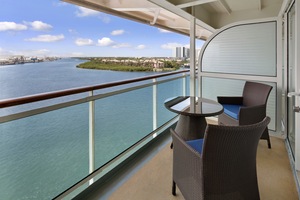
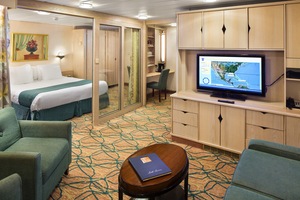
Grand Suite - 2 Bedroom
588 sqft · Up to 8 guests
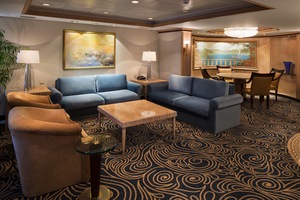
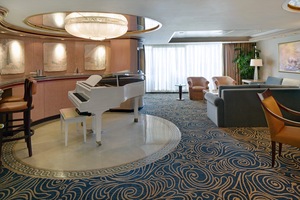
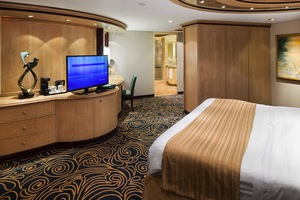
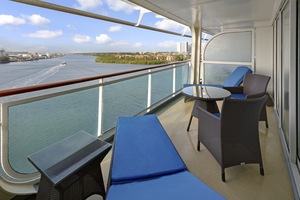
Royal Suite - 1 Bedroom
1436 sqft · Up to 5 guests
Inside
Oceanview
| Cabin | Grade | Per Person | Avail. | |
|---|---|---|---|---|
| Ocean View Guarantee · 151 sqft | YO | Enquire → | ||
| Ocean View · 126 sqft | 4N Ocean View (4N) | Enquire → | ||
| 2N Ocean View (2N) | Enquire → | |||
| 3N Ocean View (3N) | Enquire → | |||
| 1N Ocean View (1N) | Enquire → | |||
| Connecting Ocean View · 151 sqft | CO Connecting Oceanview | Enquire → | ||
| Spacious Ocean View · 193 sqft | 1M | Enquire → |
Ocean View Guarantee · 151 sqft
YO
Ocean View · 126 sqft
4N Ocean View (4N)
Ocean View · 126 sqft
2N Ocean View (2N)
Ocean View · 126 sqft
3N Ocean View (3N)
Ocean View · 126 sqft
1N Ocean View (1N)
Connecting Ocean View · 151 sqft
CO Connecting Oceanview
Spacious Ocean View · 193 sqft
1M
Balcony
| Cabin | Grade | Per Person | Avail. | |
|---|---|---|---|---|
| Ocean View Balcony Guarantee · 230 sqft | XB | Enquire → | ||
| Spacious Ocean View Balcony · 230 sqft | 4B Spacious Ocean View Balcony (4B) | Enquire → | ||
| 2B Spacious Ocean View Balcony (2B) | Enquire → | |||
| 3B Spacious Ocean View Balcony (3B) | Enquire → | |||
| 1B Spacious Ocean View Balcony (1B) | Enquire → | |||
| Spacious Sunset Ocean View Balcony · 236 sqft | SG Spacious Sunset Balcony | Enquire → |
Ocean View Balcony Guarantee · 230 sqft
XB
Spacious Ocean View Balcony · 230 sqft
4B Spacious Ocean View Balcony (4B)
Spacious Ocean View Balcony · 230 sqft
2B Spacious Ocean View Balcony (2B)
Spacious Ocean View Balcony · 230 sqft
3B Spacious Ocean View Balcony (3B)
Spacious Ocean View Balcony · 230 sqft
1B Spacious Ocean View Balcony (1B)
Spacious Sunset Ocean View Balcony · 236 sqft
SG Spacious Sunset Balcony
Suite
| Cabin | Grade | Per Person | Avail. | |
|---|---|---|---|---|
| Suite Guarantee · 307 sqft | WS | Enquire → | ||
| Junior Suite · 307 sqft | J4 Junior Suite (J4) | Enquire → | ||
| J3 Junior Suite (J3) | Enquire → | |||
| Sunset Junior Suite · 307–358 sqft | JT | Enquire → | ||
| Grand Suite - 1 Bedroom · 453 sqft | GS Grand Suite (1 Bedroom) | Enquire → | ||
| Owner's Suite - 1 Bedroom · 621 sqft | OS Owner's Suite (1 Bedroom) | Enquire → | ||
| Grand Suite - 2 Bedroom · 588 sqft | GT Grand Suite (2 Bedroom) | Enquire → | ||
| Royal Suite - 1 Bedroom · 1436 sqft | RS Royal Suite | Enquire → |
Suite Guarantee · 307 sqft
WS
Junior Suite · 307 sqft
J4 Junior Suite (J4)
Junior Suite · 307 sqft
J3 Junior Suite (J3)
Sunset Junior Suite · 307–358 sqft
JT
Grand Suite - 1 Bedroom · 453 sqft
GS Grand Suite (1 Bedroom)
Owner's Suite - 1 Bedroom · 621 sqft
OS Owner's Suite (1 Bedroom)
Grand Suite - 2 Bedroom · 588 sqft
GT Grand Suite (2 Bedroom)
Royal Suite - 1 Bedroom · 1436 sqft
RS Royal Suite
More Departures
8 nights
8 Night Eastern Caribbean & Perfect Day
16/10/2026
Solo From
£3,941
From
£2,033
15 nights
15 Night Spain & Portugal Transatlantic
16/10/2026
Solo From
£954
From
£761
3 nights
3 Night Ensenada Cruise
16/10/2026
Solo From
£868
From
£450
3 nights
3 Night Bahamas & Perfect Day Cruise
16/10/2026
Solo From
£1,183
From
£633
6 nights
6 Night Cabo Overnight & Ensenada
16/10/2026
Solo From
£655
From
£389
3 nights
3 Night Bahamas & Perfect Day Cruise
16/10/2026
Solo From
£810
From
£457
Your Ship
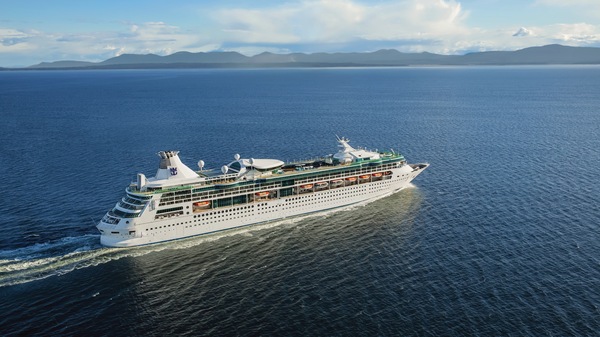
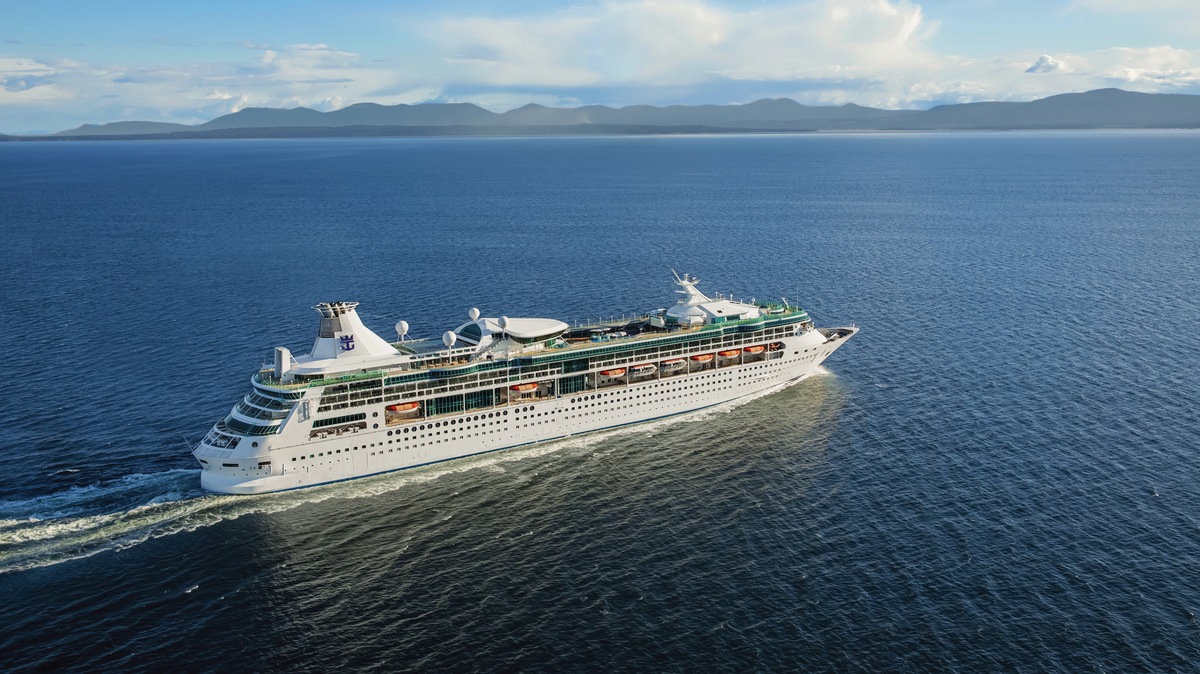
Rhapsody of the Seas
Unlock bucket-list-worthy shores and take memory-making to the next level — on Rhapsody of the Seas®.