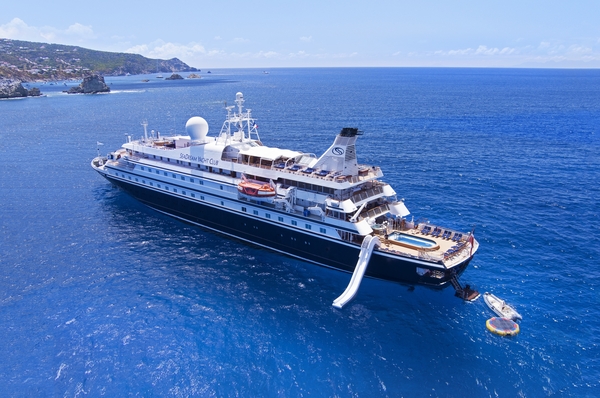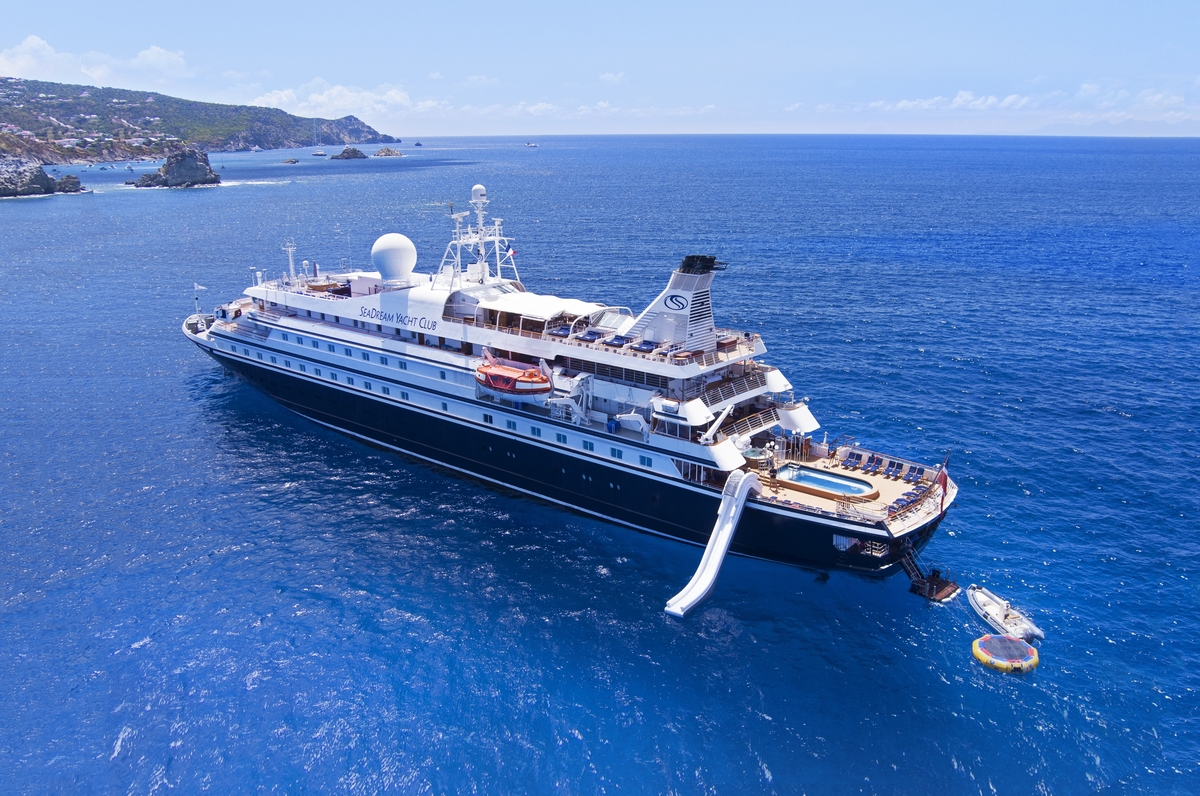
Adriatic Isles Explorer
Depart from Venice for an unforgettable journey along the Adriatic, visiting the charming harbors of Slovenia, Croatia, and Montenegro. Experience Piran’s Old Town elegance and Rov...
Cruise only — prices from Solo cruise only — from

Ports of Call & Itinerary
7-night voyage departing Venice, arriving Dubrovnik.
Printable Itinerary (PDF)Route Map
Adriatic Isles Explorer
8 ports plotted · click a marker for details
Day 1
Venice , Italy
Saturday, 24/06/2028
Venice is a city unlike any other. No matter how often you've seen it in photos and films, the real thing is more dreamlike than you could imagine. With canals where streets should be, water shimmers everywhere. The fabulous palaces and churches reflect centuries of history in what was a wealthy trading center between Europe and the Orient. Getting lost in the narrow alleyways is a quintessential part of exploring Venice, but at some point you'll almost surely end up in Piazza San Marco, where tourists and locals congregate for a coffee or an aperitif.
Day 2
Piran , Slovenia
Sunday, 25/06/2028
Day 3
Rovinj , Croatia
Monday, 26/06/2028
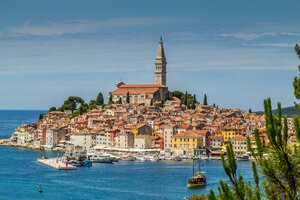
One of the true jewels of the Mediterranean, Rovinj is a jaw-droppingly beautiful town, which juts out into sparkling Mediterranean. Dominated by the pencil-like bell tower of the Venetian Saint Euphemia Cathedral, pine tree forests flow to the borders of the quaint Old Town - which evokes the romantic, tangled backstreets of the Venice. Rovinj - or Rovino in Italian - is a city of split personalities, with two official languages - having been owned by the Kingdom of Italy between 1919 and 1947.
Day 4
Primosten , Croatia
Tuesday, 27/06/2028

Day 5
Bol , Croatia
Wednesday, 28/06/2028
Day 6
Portonovi , Montenegro
Thursday, 29/06/2028
Day 7
Dubrovnik , Croatia
Friday, 30/06/2028
Nothing can prepare you for your first sight of Dubrovnik. Lying 216 km (135 miles) southeast of Split and commanding a jaw-dropping coastal location, it is one of the world's most beautiful fortified cities. Its massive stone ramparts and fortress towers curve around a tiny harbor, enclosing graduated ridges of sun-bleached orange-tiled roofs, copper domes, and elegant bell towers. Your imagination will run wild picturing what it looked like seven centuries ago when the walls were built, without any suburbs or highways around it, just this magnificent stone city rising out of the sea.In the 7th century AD, residents of the Roman city Epidaurum (now Cavtat) fled the Avars and Slavs of the north and founded a new settlement on a small rocky island, which they named Laus, and later Ragusa. On the mainland hillside opposite the island, the Slav settlement called Dubrovnik grew up. In the 12th century the narrow channel separating the two settlements was filled in (now the main street through the Old Town, called Stradun), and Ragusa and Dubrovnik became one. The city was surrounded by defensive walls during the 13th century, and these were reinforced with towers and bastions in the late 15th century.From 1358 to 1808 the city thrived as a powerful and remarkably sophisticated independent republic, reaching its golden age during the 16th century. In 1667 many of its splendid Gothic and Renaissance buildings were destroyed by an earthquake. The defensive walls survived the disaster, and the city was rebuilt in baroque style.Dubrovnik lost its independence to Napoléon in 1808, and in 1815 passed to Austria-Hungary. During the 20th century, as part of Yugoslavia, the city became a popular tourist destination, and in 1979 it was listed as a UNESCO World Heritage Site. During the war for independence, it came under heavy siege. Thanks to careful restoration, few traces of damage remain; however, there are maps inside the Pile and Ploče Gates illustrating the points around the city where damage was done. It’s only when you experience Dubrovnik yourself that you can understand what a treasure the world nearly lost

Day 8
Dubrovnik , Croatia
Saturday, 01/07/2028
Nothing can prepare you for your first sight of Dubrovnik. Lying 216 km (135 miles) southeast of Split and commanding a jaw-dropping coastal location, it is one of the world's most beautiful fortified cities. Its massive stone ramparts and fortress towers curve around a tiny harbor, enclosing graduated ridges of sun-bleached orange-tiled roofs, copper domes, and elegant bell towers. Your imagination will run wild picturing what it looked like seven centuries ago when the walls were built, without any suburbs or highways around it, just this magnificent stone city rising out of the sea.In the 7th century AD, residents of the Roman city Epidaurum (now Cavtat) fled the Avars and Slavs of the north and founded a new settlement on a small rocky island, which they named Laus, and later Ragusa. On the mainland hillside opposite the island, the Slav settlement called Dubrovnik grew up. In the 12th century the narrow channel separating the two settlements was filled in (now the main street through the Old Town, called Stradun), and Ragusa and Dubrovnik became one. The city was surrounded by defensive walls during the 13th century, and these were reinforced with towers and bastions in the late 15th century.From 1358 to 1808 the city thrived as a powerful and remarkably sophisticated independent republic, reaching its golden age during the 16th century. In 1667 many of its splendid Gothic and Renaissance buildings were destroyed by an earthquake. The defensive walls survived the disaster, and the city was rebuilt in baroque style.Dubrovnik lost its independence to Napoléon in 1808, and in 1815 passed to Austria-Hungary. During the 20th century, as part of Yugoslavia, the city became a popular tourist destination, and in 1979 it was listed as a UNESCO World Heritage Site. During the war for independence, it came under heavy siege. Thanks to careful restoration, few traces of damage remain; however, there are maps inside the Pile and Ploče Gates illustrating the points around the city where damage was done. It’s only when you experience Dubrovnik yourself that you can understand what a treasure the world nearly lost
Room Type & Prices
All prices per person based on double occupancy. Solo traveller prices — single occupancy. Contact our cruise experts for the latest availability and best fares.
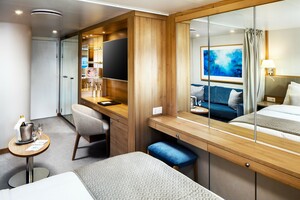

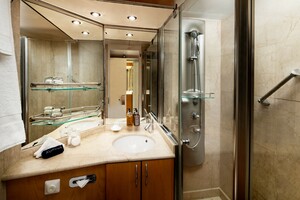
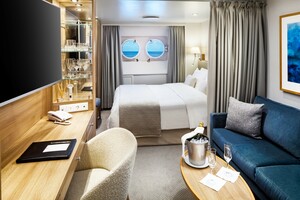
Yacht Club Stateroom – Deck 2
195 sqft · Up to 2 guests
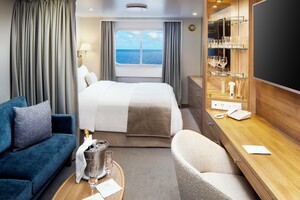
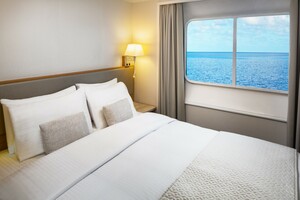
Yacht Club Stateroom – Deck 3 & 4
195 sqft · Up to 2 guests
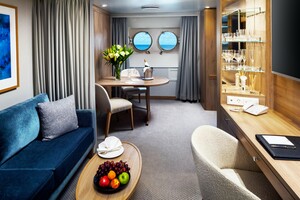
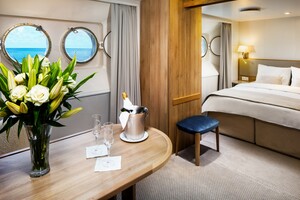
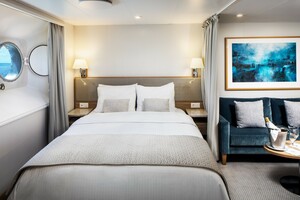
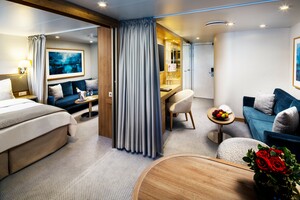
Commodore Suite
390 sqft · Up to 2 guests
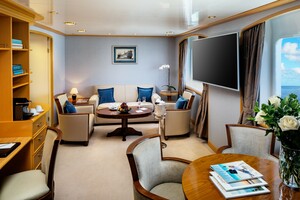
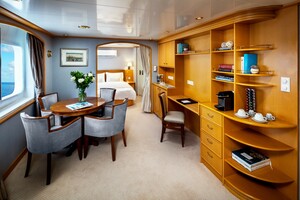
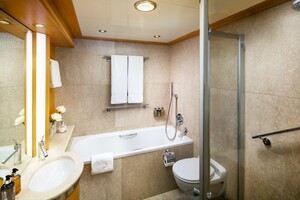
Admiral's Suite
375 sqft · Up to 2 guests
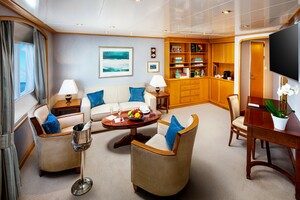
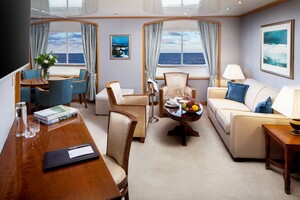

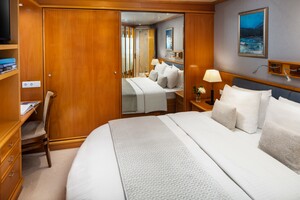
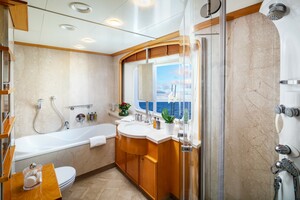

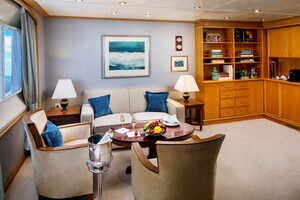
Owner's Suite
447 sqft · Up to 2 guests
Oceanview
More Departures
7 nights
Western Mediterranean Explorer
17/10/2026
Solo From
£11,682
From
£6,000
7 nights
Southern Italy Dream
17/10/2026
Solo From
£14,560
From
£7,439
8 nights
Best of the Mediterranean Isles
24/10/2026
Solo From
£13,092
From
£6,728
13 nights
Transatlantic Autumn Voyage I
01/11/2026
Solo From
£5,128
From
£4,181
13 nights
Transatlantic Autumn Voyage II
14/11/2026
Solo From
£4,844
From
£3,954
7 nights
British & French Islands Discovery
14/11/2026
Solo From
£7,211
From
£4,257
Your Ship
SeaDream I
SeaDream I and SeaDream II are twin mega-yachts built around a single belief: that the finest way to travel by sea is aboard a private yacht, where the pace is yours and the experience is entirely your own.