Barcelona to Athens
Cruise only — prices from Solo cruise only — from

Ports of Call & Itinerary
13-night voyage departing Barcelona, arriving Piraeus.
Printable Itinerary (PDF)Route Map
Barcelona to Athens
9 ports plotted · click a marker for details
Day 1
Barcelona , Spain
Friday, 05/01/2029
Having attracted over 82 million visitors in 2017, Spain is gaining popularity as a travel destination. The country lures travellers from across the world with its promise of authenticity, charisma, and memorable moments. Spain’s culture is a celebration of the finer things in life, an expression of spirit, heritage and fun: colourful fiestas, delectable cuisine, age-defining art, music, dance, sport and so much more. Each region of the country has evolved a character of its own, meaning the country is unified by a sense of cultural multiplicity. Barcelona, the capital of Catalonia, is a masterpiece that embellishes the Spanish canvas. The fact that the Barcelona’s iconic cathedral, La Sagrada Familia, is still under construction over 141 years after construction commenced pays testament to the city’s artistic perfectionism, which pervades all aspects of life here. Apparent in the city’s architecture, layout, and cultural practices, aestheticism retains its value here. Antoni Gaudí, whose iconic style of modernist architecture is among Barcelona’s leading attractions, could perhaps be credited with designing the face of this magnificent city. Enjoy getting to know the vivacious personality behind Barcelona’s beauty.

Day 2
Palma de Mallorca , Spain
Saturday, 06/01/2029
A rugged Mediterranean gem, arising out of the rich blue haze, Mallorca is a Spanish island of cuisine, culture, and sun-gorged beaches. Palma de Mallorca is the island's dominating capital, and a sand-coloured mirage of glorious buildings and living history. Conquered and liberated countless times over the years, since its Bronze Age founding, the city is your gateway to ceaseless Mediterranean beauty, buzzy markets, and intense flavours. Cafes and bars wait close to the sweeping coastline, where you can enjoy strong espressos to kick start the day, or splashes of red Majorcan wines to round it off. Bicycles trundle up and down the promenade, which invites you to wander in the morning sunshine beside the waves. Dominated by the indefatigable form of Santa María cathedral, which looms over the city and coastline, Palma de Mallorca is drenched in history and culture. The labyrinth of the old town is a cobbled haven, which bustles with dripping ice creams and sun-lashed squares. Settle to try the island’s superb cuisine, and savour local ingredients with an exceptional depth of flavour. Something about the sunshine here makes tomatoes extra sharp and delicious, while the seafood is consistently juicy and plump. The creation of the mighty cathedral, Le Seu, began in 1229 and was eventually concluded in 1601. A perfect encapsulation of Palma de Mallorca’s blend of the historic and the contemporary, even Gaudi lent his hand to it, and the interior features a spectacular modernist take on the New Testament from artist Miquel Barcelo, which is painted across the chapel’s walls. The splendid Royal Palace of La Almudaina fortress stands nearby, a left-behind Moorish footprint of square towers and Arabic archways that now serves as an official summer residence for the King of Spain.
Day 4
Cagliari , Italy
Monday, 08/01/2029
The serene sea approach to Cagliari is an exquisitely beautiful way to first lay eyes on the city’s mesmerising interplay of colour, spires and domed churches. Sat on Sardinia’s south coast, Cagliari is the island’s largest city, and a sun-blessed escape of beaches, architecture and Mediterranean food – where stress evaporates on contact. That first sight of Cagliari’s mosaic of architecture reveals much about the island’s history, and is a living document of the civilisations and influences that have passed through. Combining Byzantine churches with crumbling Roman ruins and Pisan towers, it’s an elegant, beguiling place to explore. Usher in the morning with a short, sharp espresso hit, before wandering along to San Benedetto market’s bustle, crammed full of overflowing heaps of local produce. Taste crisp, freshly-baked bread, thin shavings of sheep’s cheese, and ripe red strawberries, as you wander amid the market’s melody of good-natured bartering. The Castello quarter’s tight, flower-draped streets and salmon-hued brick buildings incline up above the Med’s softly lapping waves. Climb Bastione di Saint Remy staircase to Terrazza Umberto’s views of the turquoise Gulf of Angels. Next, Cathedral of Santa Maria awaits, with its marbled interiors, elaborate side chapels and intricately decorated crypt. Once you’ve unravelled Cagliari’s historical tapestry, Poetto Beach invites you to find a spot on almost five miles of uninterrupted sand, met by a dazzling expanse of turquoise water.
Day 5
Palermo , Italy
Tuesday, 09/01/2029
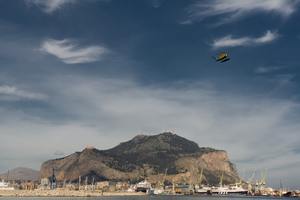
The capital of Sicily, Palermo is a fiery, authentic city and a cultural powerhouse on the periphery of Europe. Juicy lemons weigh down the branches of its tree-lined streets, while treats like cannoli tubes, filled with ricotta-blended cream, provide a sweet taste of the local cuisine. Oozing layered character, explore this incredible city at leisure, or head out to nearby villages, which offer preserved medieval charm. Stacked markets spill out onto Palermo’s souk-like streets, while grand piazzas host elaborate fountains and sculptures, below the watch of baroque church domes. Many cultures have clashed and combined on this island’s shores, - since the days of antiquity - giving the city the dubious honour of being the world’s most conquered city. A genuine patchwork of influences, Palermo’s triumph lies in somehow combining it all into one fascinating whole. Palermo is a delightfully dishevelled city. Wander bomb-damaged streets of neglect, which suddenly open out to the grandest of cathedrals and most majestic of stunning palaces. The 12th-century Palermo Cathedral is a glorious domed structure – rise to the top, to look across the city’s restaurant-filled alleyways from above. Next, encounter the Norman, Arabic, and Byzantine fusion of the Norman Palace and the incredible golden mosaics and sweeping archways of the adjacent Royal Chapel. Visit Europe’s third-largest opera house, or Mondello’s beach, which offers relaxation on a beautiful arc of white sand. Stop in at the selection of restaurants, which serve up fresh fish, and refreshing granita al limone.
Day 7
Katakolon , Greece
Thursday, 11/01/2029
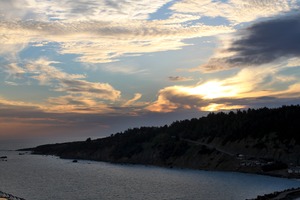
Holding the torch as the spiritual home of the Olympic Games Olympia has an enduring legacy and its values echo around the world during humanity’s greatest sporting contest. Come ashore at Katakolon - a small port village on the Peloponnese peninsula facing the Ionian Sea and relax on beautiful Kourouta Beach. Or head inland through this legendary destination to the historic home of the Olympic Games. Located in the valley of the River Alfeios Olympia is a staggering archaeological site of immense ruins and enduring legacy. Visit the museum and Olympia Stadium - where the ancient games were held in honour of the Greek god Zeus. As many as 45 000 spectators fit into the mud seats to witness the ultimate contest of athleticism. See the stand where judges would sit and the white blocks where runners would line up to compete. The tradition continues stronger than ever and the Olympic flame of the modern games is ignited by the sun here in the ruins of the Temple of Hera. It is then taken to spread the Olympic values across the globe. The Temple of Zeus and the Statue of Zeus - one of the Seven Wonders of the Ancient World - also rose here in all of their glory. Hewn from limestone the temple contained the 13-metre tall statue of Zeus which was sculpted by Phidias - one of Ancient Greece's finest artists. Although the statue has been destroyed you can walk the temple's ruins and see the guesthouse where the majestic wonder was painstakingly crafted.
Day 9
Rhodes , Greece
Saturday, 13/01/2029
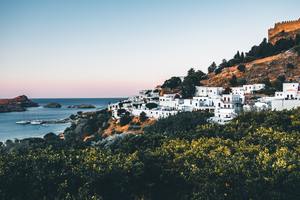
With an endless sun-soaked season, earthy history and vibrant culture, the island of Rhodes has it all. At the crossroads between continents, and sandwiched between Crete and Turkey’s coastline, Rhodes has swayed between many mighty civilisations throughout its tumultuous history. Part of the Dodecanese Islands, which are sprinkled across the blissfully blue Aegean Sea, dive into this island of dazzling beaches, historic medieval towns, and whitewash villages. Crusted with turrets and walls, alluding to its strategic significance over the years. Incredible history has been left behind, and the cobbled streets of the UNESCO World Heritage site listed Old Town are some of Europe’s best. Wander back through time, with occasional minarets from Ottoman-era mosques rising from the tangle of Medieval history, and the smells of cinnamon, cumin and pepper lingering above stone-paved streets. Discover inviting outdoor restaurants, which spill across flower-filled courtyards, and enjoy fresh Greek cuisine with an eastern influence. The preserved columns of Lindos's spectacular Ancient Greek Acropolis watch out over electric blue water, while the Gothic Medieval stronghold of the 14th-century Palace of the Grand Masters of the Knights of Rhodes, adds more fascinating history to explore. Fragrant, pine tree coated hills, and gorgeous beaches of eye-watering blue water, offer your choice of unbridled relaxation or thrilling action, and you can raise the pulse with water sports, or shelter in coves with shocks of turquoise water and monolithic rock formations.
Day 11
Alexandria , Egypt
Monday, 15/01/2029
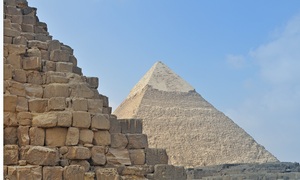
There is a wonderful Italo Calvino story about a city so removed from its own history that it is as if the modern metropolis sits on the site of an unrelated ancient city that just happens to bear the same name. At times Alexandria, which Alexander the Great founded in the 4th century BC, feels like that. Yet the fallen Alexandria of the ancient Greeks, of Ptolemy, Cleopatra, Julius Caesar, and the Romans, and of pagan cults and the Great Library is underfoot, quite literally, as all of modern Alexandria has been built on the ruins of the old, a city that was capital of Egypt from the 3rd century BC until AD 642, when the Arabs first arrived. Overlay a map of the contemporary city with one from antiquity, and you see that many of the streets have remained the same: Shar'a al-Horreya runs along the route of the ancient Canopic Way, and Shar'a Nabi Daniel follows the route of the ancient Street of the Soma. Near their intersection once stood the Mouseion, a Greek philosophic and scientific center that had at its heart the collection of the Great Library. Yet only fleeting glimpses of this ancient city peak through the modern crust. By the early 20th century, Alexandria was a wealthy trading port. The merchants were fantastically rich—cosmopolitan without beingintellectual—and they enjoyed the sort of idle existence that is born of privilege, a privilege not of high birth but rather of colonial rule, which shielded foreigners from Egyptian law. They lived in villas with extravagant gardens, frequented luxurious shops, gossiped over tea in grand cafés, and lounged on the beach in private resorts along the coast. The population was a multicultural mix of Greeks and Arabs, Turks and Armenians, French and Levantines, Jews and Christians, and this spawned a unique atmosphere. It was this city that belonged to Constantine Cavafy, now regarded as the greatest Greek poet of his era. It was this city to which the novelist E.M. Forster, author of A Passage to India, was posted during World War I. And it was this city that gave birth to Lawrence Durrell's Alexandria Quartet, which captivated a generation of American readers when the books were published in the late 1950s. Then quite suddenly everything changed. The intellectuals and merchants fled, driven out of Egypt by the nationalist revolution of the 1950s, the wars with Israel, and the nationalization of their businesses. It's been five decades since most of the foreigners left—some Greeks and Armenians remained. But if you take the city as it is today and not as a faded version of what it once was, you will find that Alex (as it's affectionately known) remains an utterly charming place to visit. The Mediterranean laps at the seawall along the Corniche, and gentle sea breezes cool and refresh even in the dead of summer. Graceful old cafés continue to draw lovers and friends—Egyptians now, rather than foreigners—while the streets remain as lively and intriguing as ever. Alexandria is still a great city, even now, shorn of its many pasts.
Day 13
Heraklion (Iraklion), Crete , Greece
Wednesday, 17/01/2029
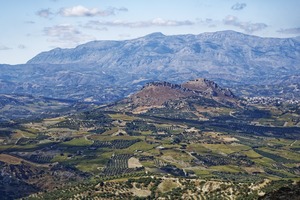
It may not be the prettiest place in Crete but Heraklion's patchwork of history bustling activity and cultural intrigue makes it the perfect change of pace. This is certainly no sleepy island fishing village and Greece's fifth-largest city is adorned with a rich collection of quality museums ancient ruins from antiquity and a lively culture of its own. A refreshing shift-up from the many quaint beach towns and fishing villages you'll encounter in the Greek islands Heraklion – also known as Iraklio - has great shopping extraordinary history and is the ideal base for ventures to the archaeological treasures of Crete. Traded by the Arabic Venetian and Ottoman empires over the years Heraklion is a multi-layered place with fascinating tales to tell. The city's impressive Venetian fortress which waits over the gently rolling waves of the gleaming Mediterranean welcomes you ashore. The sun-roasted earth outside the city hides treasures from the realms of history including the Bronze Age remnants of Europe's oldest city Knossos. A visit to the fantastic Archaeological Museum of Heraklion ties all of this history together and exhibits relics from the civilisations and eras of Crete's past. Elsewhere Daidalou's pedestrianised paving is a charming stroll through Heraklion's shops with streets branching off to café-lined plazas and twinkling fountains. Stop to try local food - like fresh feta and olive sprinkled dakos mezze – all washed down with a sample of local raki brandy.
Day 14
Piraeus , Greece
Thursday, 18/01/2029
A city of legend, civilisation and enduring culture, Athens is a majestic and magical urban sprawl. Extraordinary elegance and grace combine with grit and graft in Greece's capital, where highways encase ruins from antiquity, and gleaming museums and galleries stand beside concrete sprayed with edgy street art. These contrasts enhance and elevate the wonders of this 2,500-year-old city, however, which can count notable contributions to philosophy, drama and democracy, among its global legacy. Piraeus' giant port and naval base welcome you to the edge of the Athens' urban area. From there it's a simple jaunt to the centre. The majestic ancient citadel of the Acropolis dominates an elevated platform and is a constant presence as you explore the city. The wonderful remains of the columned temple of the Parthenon - which date back to the 5th century BC - stand here, representing the pinnacle of classical architecture. The nearby Acropolis Museum adds context to your visit and frames the broad views from its giant glass windows. Or rise up Mount Lycabettus, to be rewarded with perhaps Athens' best panorama of the Acropolis sitting high over the city on its grand stage. See the marble horseshoe of the Old Olympic Stadium, where the first modern Olympics were held in 1896, for more of the city's enduring legacy. Elsewhere, golden beaches and temples stretch out along the coastline, should you wish to explore a little further afield. Coffee is an art form to the Greeks, and it's an unwritten rule that coffee time must never be rushed. So prepare to settle down for a couple of hours and lose yourself in a good chat. Feeling hungry - try traditional souvlaki made with sauces handed from generation to generation.

Room Type & Prices
All prices per person based on double occupancy. Solo traveller prices — single occupancy. Contact our cruise experts for the latest availability and best fares.
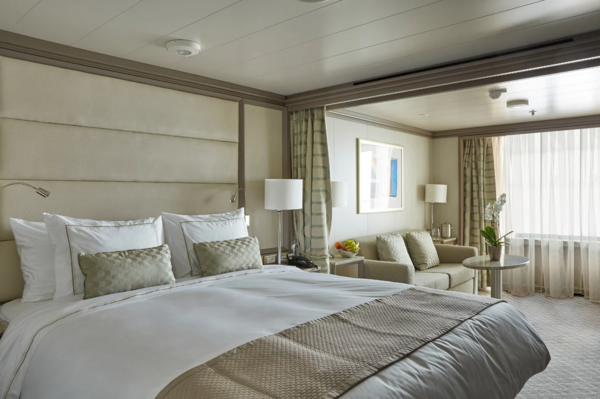
Vista Suite
344 sqft · Up to 2 guests
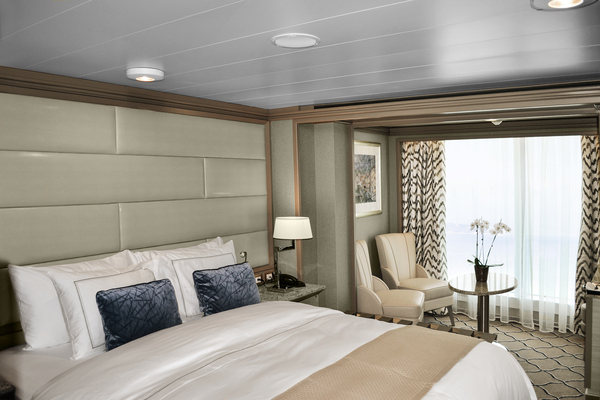
Panorama Suite
334 sqft · Up to 2 guests
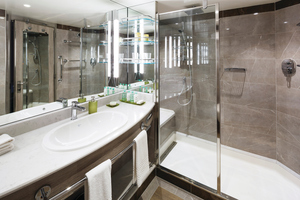
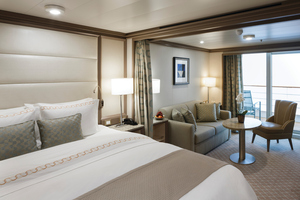
Classic Veranda Suite
387 sqft · Up to 2 guests
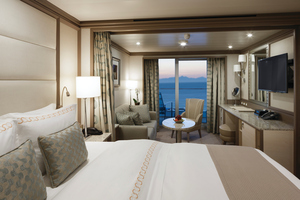
Superior Veranda Suite
387 sqft · Up to 3 guests
Deluxe Veranda Suite
387 sqft · Up to 3 guests
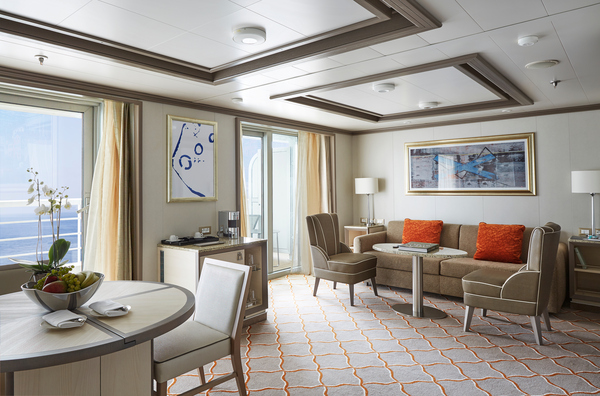
Silver Suite
786–1119 sqft · Up to 5 guests
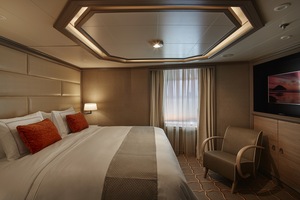
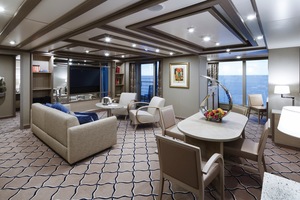
Royal Suite
1130–1528 sqft · Up to 5 guests
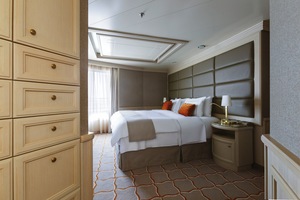
Grand Suite
1475–1970 sqft · Up to 5 guests
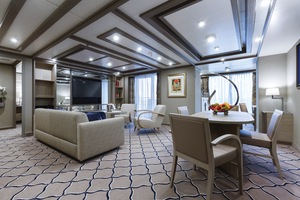
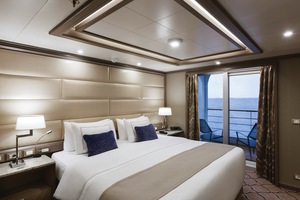
Owner's Suite
1055–1389 sqft · Up to 5 guests
Suite
| Cabin | Grade | Per Person | Avail. | |
|---|---|---|---|---|
| Vista Suite · 344 sqft | VI Vista Suite | Enquire → | ||
| Panorama Suite · 334 sqft | PA | Enquire → | ||
| Classic Veranda Suite · 387 sqft | CV | Enquire → | ||
| Superior Veranda Suite · 387 sqft | SV Superior Veranda Suite | Enquire → | ||
| Deluxe Veranda Suite · 387 sqft | DX | Enquire → | ||
| Silver Suite · 786–1119 sqft | SL | Enquire → | ||
| Royal Suite · 1130–1528 sqft | R2 Royal Suite (2 Bedrooms) | Enquire → | ||
| Grand Suite · 1475–1970 sqft | G2 Grand Suite (2 Bedrooms) | Enquire → | ||
| Owner's Suite · 1055–1389 sqft | O2 Owner's Suite (2 Bedrooms) | Enquire → |
Vista Suite · 344 sqft
VI Vista Suite
Panorama Suite · 334 sqft
PA
Classic Veranda Suite · 387 sqft
CV
Superior Veranda Suite · 387 sqft
SV Superior Veranda Suite
Deluxe Veranda Suite · 387 sqft
DX
Silver Suite · 786–1119 sqft
SL
Royal Suite · 1130–1528 sqft
R2 Royal Suite (2 Bedrooms)
Grand Suite · 1475–1970 sqft
G2 Grand Suite (2 Bedrooms)
Owner's Suite · 1055–1389 sqft
O2 Owner's Suite (2 Bedrooms)
More Departures
14 nights
Tokyo to Tokyo
17/10/2026
Solo From
£18,500
From
£10,900
11 nights
Civitavecchia to Barcelona
18/10/2026
Solo From
£14,000
From
£6,500
7 nights
Papeete to Papeete
18/10/2026
Solo From
£8,500
From
£4,350
7 nights
Athens to Athens
19/10/2026
Solo From
£10,200
From
£4,600
6 nights
King George Island to King George Island
20/10/2026
Solo From
£12,500
From
£10,000
9 nights
Puerto Williams to King George Island
20/10/2026
Solo From
£8,625
From
£7,900
Your Ship
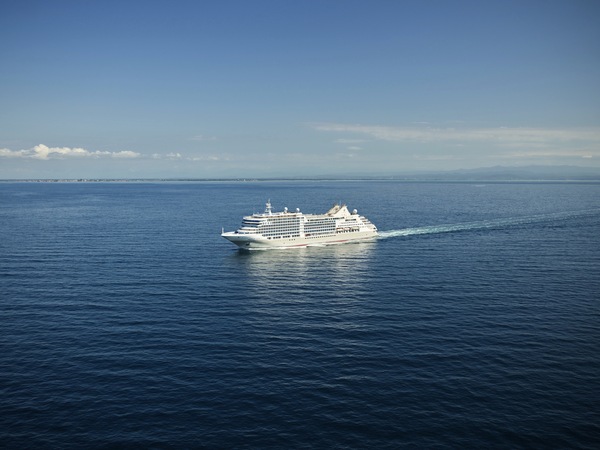
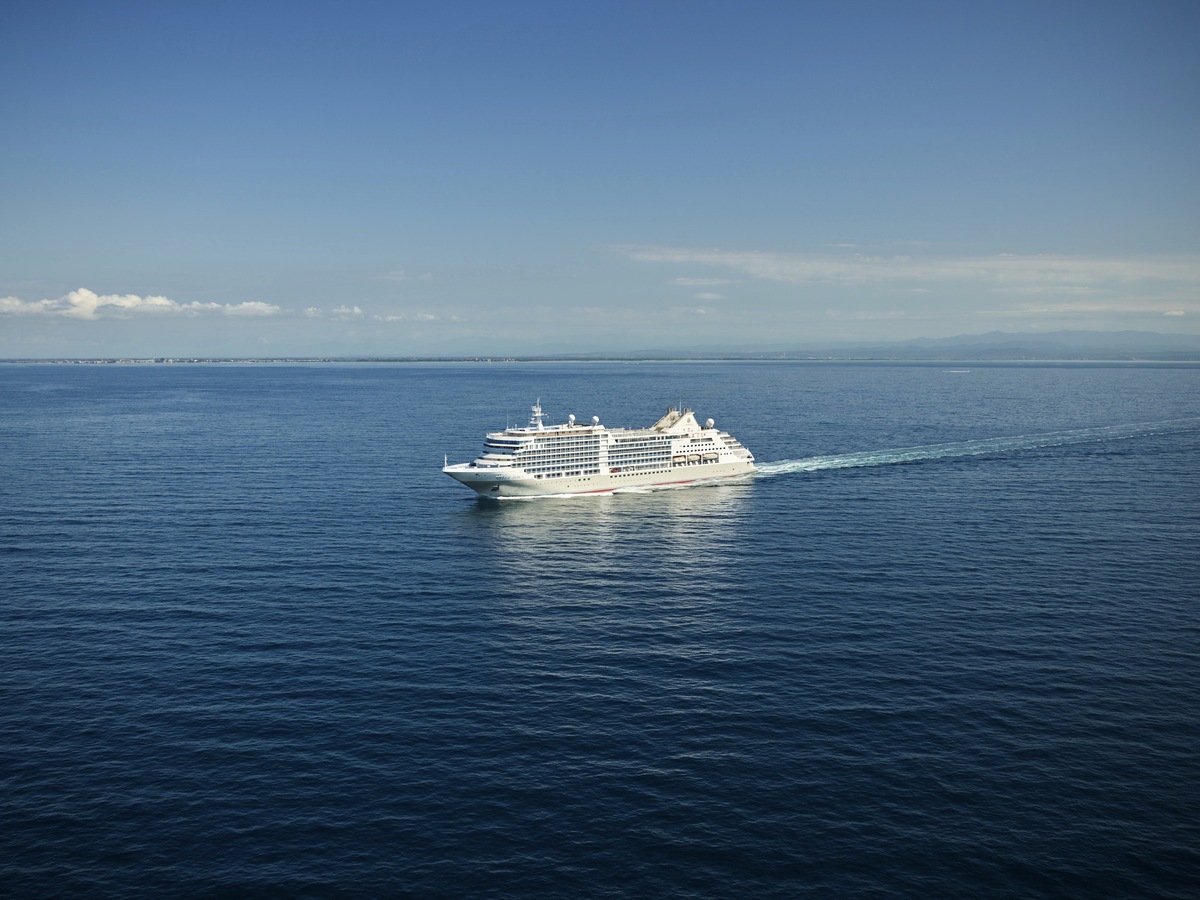
Silver Dawn
A new Dawn has arrived! Our tenth luxury ship joined our fleet in April 2022, sailing a worldwide itinerary that promises authentic, immersive experiences.