Istanbul to Athens
Cruise only — prices from Solo cruise only — from

Ports of Call & Itinerary
13-night voyage departing Istanbul, arriving Piraeus.
Printable Itinerary (PDF)Route Map
Istanbul to Athens
11 ports plotted · click a marker for details
Day 1
Istanbul , Turkey
Sunday, 23/04/2028
A chaotic, colossal collision of east and west – start your day in Europe and end it in Asia, all without breaking a sweat. Sprawling across two continents, the city has been toed, froed and yanked between countless civilisations over its history, leaving a multi-layered, majestic tapestry of culture to untangle. An army of narrow minarets puncture the skyline, while the soaring towers of palaces and labyrinths of bazaars - where bargains are the reward for brave hagglers - fill up this dynamic city of 15 million people. With a rich portfolio of Byzantine and Ottoman architecture, Istanbul enjoys one of the world's most dynamic skylines and has an intense, infectious energy. The vast Aya Sofya is the starting point for exploring this huge city's deep wealth of cultural treasures. Built in the 6th century as a Greek Orthodox church, it was later transformed into an Ottoman imperial mosque – and latterly a museum. Cast your eyes up to take in the full scale of the colossal dome, one of the world's largest, which floats on a magnificent bed of light. See the Blue Mosque, with its glorious blue İznik tiles, or head to the Galata Tower which was once the tallest structure in Istanbul, and is ideal for a panoramic view of the city. Grab handfuls of dates and spices, shop for jewellery and patterned fabrics as you're swallowed whole by the Grand Bazaar - one of the world's biggest and busiest covered indoor markets. To understand Istanbul is to visit its kahvehans. Few rituals are taken as seriously as Turkish coffee - prepared to be incredibly strong. Sweeten the aftertaste with Turkish delight, or baklava – try the smooth pistachio version called kuru baklava.
Day 3
Kusadasi , Turkey
Tuesday, 25/04/2028
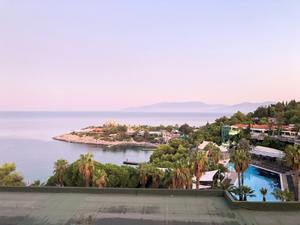
Explore the towering columns and storied remains of Ephesus - one of the most spectacular cities left by the Ancient Greeks. Kusadasi welcomes you to the Turkish coastline and is your base for exploring these majestic remains which sit just 10 miles inland from the port. The Ephesus UNESCO World Heritage Site is a true archaeological gold mine and an amazingly well-preserved site - once home to 150 000 people. The grand Temple of Artemis rose up majestically here and was recognised as one of the Seven Wonders of the Ancient World before its untimely destruction. The grand city was a fitting location for such a wonder and with a mere 20% estimated to have been uncovered the scale and majesty of Ephesus is hard to fully comprehend as you walk its ancient streets. Visit the precious Library of Celsus - a gorgeous double-layered façade of columns and artistry - and enjoy the city's gently illuminated atmospheric venues - which still host stirring evening concerts. Ephesus's museum adds context to the 25 000 treasures that are exhibited within. After a long hot day exploring recharge with a perfectly-charred and seasoned kebab or vegetable and rice stuffed grape leaves like dolma. In Kusadasi itself you can discover a lively seaside city with a buzzing Aegean beach scene and a glut of restaurants and cafes to kick back in.
Day 4
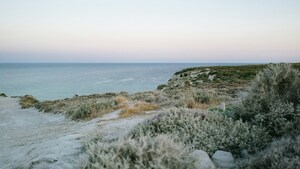
Çesme , Turkey
Wednesday, 26/04/2028
Day 5
Ermoupoli, Syra , Greece
Thursday, 27/04/2028
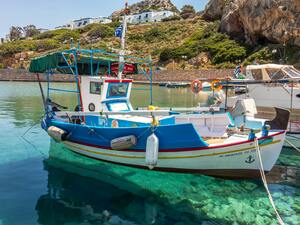
Beautiful sea crisp white beaches and charming medieval villages add character and colour to this gorgeous Greek Island. Part of the Cyclades group of islands visit the capital Ermoupoli to discover a network of picturesque narrow streets and winding alleyways - dotted with fancy old Venetian mansions and elegant domed churches. The colourful town cascades down to an open waterfront of pine-trees and beautiful views. Head to the sparkling marbled central square overlooked by the Town Hall and surrounded by a celebrated collection of neoclassical buildings facing up across narrow streets. A town of peeking bell towers and cobalt-blue domed churches - stop by the Church of the Assumption which treasures an original El Greco wonder inside. Further up you'll find the small monastery-sprinkled medieval village of Ano Syros. Settled on a hill it offers a glorious view down over the port and white dwellings of Ermoupoli below. You can visit Capuchin Monastery which was built in the 16th century to help the underprivileged. Encounter the Vamvakaris Museum dedicated to Markos Vamvakaris a famous rebetiko musician born here in 1905. Of course Syros is also surrounded by plenty of blissful beaches if you'd rather hit the sands. Finikas beach is nearby and a long luxurious stretch complete with sunbeds and umbrellas. Perfect for catching some sun and shade and watching the blue seawater twinkling.
Day 6
Naxos , Greece
Friday, 28/04/2028
A little bit more rough and ready around the edges than a lot of other Greek islands, Naxos is the thinking-person’s Greece. The largest of all the Cyclades islands, it was once the cultural centre of Classical Greece and Byzantium, so do not be surprised that the world’s oldest culture has left its mark. Museums range from the Archaeological Museum (housed in an elegant Venetian mansion), an impressive geological museum to the lovely Venetian and unusual museum, housed in an 800-year old private house. For those who want to venture further afield, Haki, the old capital of Naxos, has a great distillery museum, run by the same family who first opened it in 1896. Not only are there two lovely monasteries worth visiting, but because of its high mountains Naxos benefits from much more rainfall than most other Greek islands, which makes the land very green and fertile. Local produces includes olives, grapes, figs, citrus fruit, corn and potatoes and if you get a chance, a healthy home-grown meal in a back-country taverna will be undoubtedly be memorable. The golden sands that circle Naxos are particularly nice, catering for all personality types. The active among you will certainly want to head to the eastern side of the island, where the wind is perfect for budding kite and windsurfers, as well as those who like their beaches as natural as can be. The western side of the island, notably Platka beach, is where the sun-lovers will be seen soaking up the rays.

Day 7
Rhodes , Greece
Saturday, 29/04/2028
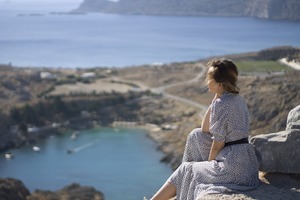
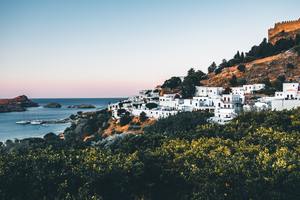
With an endless sun-soaked season, earthy history and vibrant culture, the island of Rhodes has it all. At the crossroads between continents, and sandwiched between Crete and Turkey’s coastline, Rhodes has swayed between many mighty civilisations throughout its tumultuous history. Part of the Dodecanese Islands, which are sprinkled across the blissfully blue Aegean Sea, dive into this island of dazzling beaches, historic medieval towns, and whitewash villages. Crusted with turrets and walls, alluding to its strategic significance over the years. Incredible history has been left behind, and the cobbled streets of the UNESCO World Heritage site listed Old Town are some of Europe’s best. Wander back through time, with occasional minarets from Ottoman-era mosques rising from the tangle of Medieval history, and the smells of cinnamon, cumin and pepper lingering above stone-paved streets. Discover inviting outdoor restaurants, which spill across flower-filled courtyards, and enjoy fresh Greek cuisine with an eastern influence. The preserved columns of Lindos's spectacular Ancient Greek Acropolis watch out over electric blue water, while the Gothic Medieval stronghold of the 14th-century Palace of the Grand Masters of the Knights of Rhodes, adds more fascinating history to explore. Fragrant, pine tree coated hills, and gorgeous beaches of eye-watering blue water, offer your choice of unbridled relaxation or thrilling action, and you can raise the pulse with water sports, or shelter in coves with shocks of turquoise water and monolithic rock formations.
Day 8
Agios Nikólaos, Kríti , Greece
Sunday, 30/04/2028
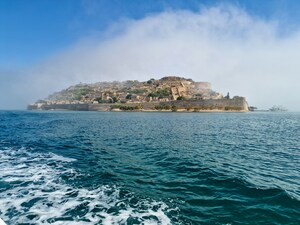
Set on the east of the Greek island Crete Aghios Nikolaos is a place of legend and luxury. Pastel-coloured houses jostle attractively around the pretty harbour and inky lake while busy restaurants and cafes spill out onto its lively waterfront. Life here orbits around Lake Voulismeni and the legendary lake is said to be bottomless and to have been a bathing spot for Greek goddesses Athena and Artemis. Enjoy heavenly views of the water through frames of pretty violet flowers or climb the stone steps for a sweeping panorama of the town lake and seas beyond. With abundant waterfront hours meander past effortlessly in the town’s humming cafes as characters come and go and sunlight flicks off the sparkling waves. Aghios Nikolaos is surrounded by wide scenic beaches and you can choose between Voulisma - where crystal-clear water lolls against fine sand or Almyros – where a refreshing ribbon of cooling freshwater snakes out into warm turquoise seawater. Away from the beaches look for the brightly-frescoed Panagias Keras Church - one of the region’s oldest Byzantine churches - which dates back to the 13th century. Explore local farms to taste fresh oil crushed from plump olives ripened by the generous Cretan sun.
Day 9
Santorini , Greece
Monday, 01/05/2028
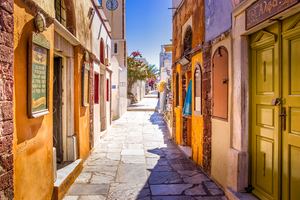
Breathlessly romantic and incredibly scenic the azure domes and whitewash buildings that cascade down Santorini's slopes are prime honeymoon material - and relentlessly romantic. A true gem of the Cycladic island group Santorini is startlingly pretty and its white windmills and dazzling villages are incredibly easy on the eye. Envy-inducing and evocatively beautiful Santorini's sunsets are legendary and the island is a highlight of any voyage to the Greek islands. Look out over the endless expanse of blue waves filling the massive volcanic caldera of Santorini – and absorb one of the most spectacular views in the world. The sheer rock shoulders of the caldera create an immense natural amphitheatre - so enjoy the show as you sip a local volcanic-mineral enhanced white wine and fall in love all over again. Any meal is well rounded off with the famous wine Vinsanto. The east side of the island may lack the incredible panoramas but it's ideal if all you want to do is recline on volcanic-sand beaches - which range in hues from charcoal-black to flame-red. This beautiful island was forged by powerful volcanic activity and you can learn more about the huge eruption of 1 600 BCE - which wiped out the Minoan city at Akrotiri. The eruption sank the centre of the island forming the moon-shaped topography we see now. Visit the archaeological site that has revealed and preserved the village which was lost to time below the pumice and ash. Some whisper that this destroyed town may even be the fabled Atlantis.
Day 11
Alexandria , Egypt
Wednesday, 03/05/2028
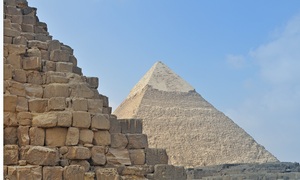
There is a wonderful Italo Calvino story about a city so removed from its own history that it is as if the modern metropolis sits on the site of an unrelated ancient city that just happens to bear the same name. At times Alexandria, which Alexander the Great founded in the 4th century BC, feels like that. Yet the fallen Alexandria of the ancient Greeks, of Ptolemy, Cleopatra, Julius Caesar, and the Romans, and of pagan cults and the Great Library is underfoot, quite literally, as all of modern Alexandria has been built on the ruins of the old, a city that was capital of Egypt from the 3rd century BC until AD 642, when the Arabs first arrived. Overlay a map of the contemporary city with one from antiquity, and you see that many of the streets have remained the same: Shar'a al-Horreya runs along the route of the ancient Canopic Way, and Shar'a Nabi Daniel follows the route of the ancient Street of the Soma. Near their intersection once stood the Mouseion, a Greek philosophic and scientific center that had at its heart the collection of the Great Library. Yet only fleeting glimpses of this ancient city peak through the modern crust. By the early 20th century, Alexandria was a wealthy trading port. The merchants were fantastically rich—cosmopolitan without beingintellectual—and they enjoyed the sort of idle existence that is born of privilege, a privilege not of high birth but rather of colonial rule, which shielded foreigners from Egyptian law. They lived in villas with extravagant gardens, frequented luxurious shops, gossiped over tea in grand cafés, and lounged on the beach in private resorts along the coast. The population was a multicultural mix of Greeks and Arabs, Turks and Armenians, French and Levantines, Jews and Christians, and this spawned a unique atmosphere. It was this city that belonged to Constantine Cavafy, now regarded as the greatest Greek poet of his era. It was this city to which the novelist E.M. Forster, author of A Passage to India, was posted during World War I. And it was this city that gave birth to Lawrence Durrell's Alexandria Quartet, which captivated a generation of American readers when the books were published in the late 1950s. Then quite suddenly everything changed. The intellectuals and merchants fled, driven out of Egypt by the nationalist revolution of the 1950s, the wars with Israel, and the nationalization of their businesses. It's been five decades since most of the foreigners left—some Greeks and Armenians remained. But if you take the city as it is today and not as a faded version of what it once was, you will find that Alex (as it's affectionately known) remains an utterly charming place to visit. The Mediterranean laps at the seawall along the Corniche, and gentle sea breezes cool and refresh even in the dead of summer. Graceful old cafés continue to draw lovers and friends—Egyptians now, rather than foreigners—while the streets remain as lively and intriguing as ever. Alexandria is still a great city, even now, shorn of its many pasts.
Day 12
Alexandria , Egypt
Thursday, 04/05/2028
There is a wonderful Italo Calvino story about a city so removed from its own history that it is as if the modern metropolis sits on the site of an unrelated ancient city that just happens to bear the same name. At times Alexandria, which Alexander the Great founded in the 4th century BC, feels like that. Yet the fallen Alexandria of the ancient Greeks, of Ptolemy, Cleopatra, Julius Caesar, and the Romans, and of pagan cults and the Great Library is underfoot, quite literally, as all of modern Alexandria has been built on the ruins of the old, a city that was capital of Egypt from the 3rd century BC until AD 642, when the Arabs first arrived. Overlay a map of the contemporary city with one from antiquity, and you see that many of the streets have remained the same: Shar'a al-Horreya runs along the route of the ancient Canopic Way, and Shar'a Nabi Daniel follows the route of the ancient Street of the Soma. Near their intersection once stood the Mouseion, a Greek philosophic and scientific center that had at its heart the collection of the Great Library. Yet only fleeting glimpses of this ancient city peak through the modern crust. By the early 20th century, Alexandria was a wealthy trading port. The merchants were fantastically rich—cosmopolitan without beingintellectual—and they enjoyed the sort of idle existence that is born of privilege, a privilege not of high birth but rather of colonial rule, which shielded foreigners from Egyptian law. They lived in villas with extravagant gardens, frequented luxurious shops, gossiped over tea in grand cafés, and lounged on the beach in private resorts along the coast. The population was a multicultural mix of Greeks and Arabs, Turks and Armenians, French and Levantines, Jews and Christians, and this spawned a unique atmosphere. It was this city that belonged to Constantine Cavafy, now regarded as the greatest Greek poet of his era. It was this city to which the novelist E.M. Forster, author of A Passage to India, was posted during World War I. And it was this city that gave birth to Lawrence Durrell's Alexandria Quartet, which captivated a generation of American readers when the books were published in the late 1950s. Then quite suddenly everything changed. The intellectuals and merchants fled, driven out of Egypt by the nationalist revolution of the 1950s, the wars with Israel, and the nationalization of their businesses. It's been five decades since most of the foreigners left—some Greeks and Armenians remained. But if you take the city as it is today and not as a faded version of what it once was, you will find that Alex (as it's affectionately known) remains an utterly charming place to visit. The Mediterranean laps at the seawall along the Corniche, and gentle sea breezes cool and refresh even in the dead of summer. Graceful old cafés continue to draw lovers and friends—Egyptians now, rather than foreigners—while the streets remain as lively and intriguing as ever. Alexandria is still a great city, even now, shorn of its many pasts.
Day 14
Piraeus , Greece
Saturday, 06/05/2028
A city of legend, civilisation and enduring culture, Athens is a majestic and magical urban sprawl. Extraordinary elegance and grace combine with grit and graft in Greece's capital, where highways encase ruins from antiquity, and gleaming museums and galleries stand beside concrete sprayed with edgy street art. These contrasts enhance and elevate the wonders of this 2,500-year-old city, however, which can count notable contributions to philosophy, drama and democracy, among its global legacy. Piraeus' giant port and naval base welcome you to the edge of the Athens' urban area. From there it's a simple jaunt to the centre. The majestic ancient citadel of the Acropolis dominates an elevated platform and is a constant presence as you explore the city. The wonderful remains of the columned temple of the Parthenon - which date back to the 5th century BC - stand here, representing the pinnacle of classical architecture. The nearby Acropolis Museum adds context to your visit and frames the broad views from its giant glass windows. Or rise up Mount Lycabettus, to be rewarded with perhaps Athens' best panorama of the Acropolis sitting high over the city on its grand stage. See the marble horseshoe of the Old Olympic Stadium, where the first modern Olympics were held in 1896, for more of the city's enduring legacy. Elsewhere, golden beaches and temples stretch out along the coastline, should you wish to explore a little further afield. Coffee is an art form to the Greeks, and it's an unwritten rule that coffee time must never be rushed. So prepare to settle down for a couple of hours and lose yourself in a good chat. Feeling hungry - try traditional souvlaki made with sauces handed from generation to generation.

Room Type & Prices
All prices per person based on double occupancy. Solo traveller prices — single occupancy. Contact our cruise experts for the latest availability and best fares.
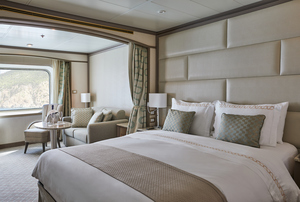
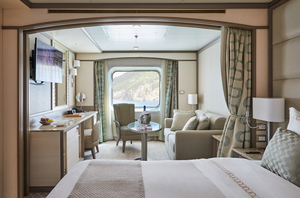
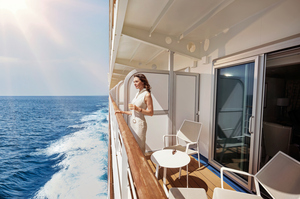
Vista Suite
291 sqft · Up to 2 guests
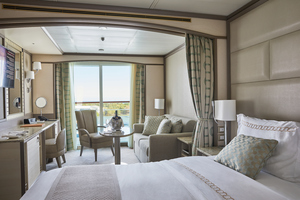
Classic Veranda Suite
409 sqft · Up to 3 guests
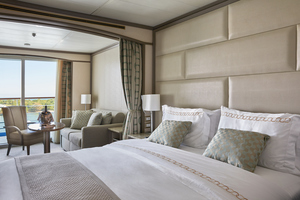
Superior Veranda Suite
409 sqft · Up to 3 guests
Deluxe Veranda Suite
409 sqft · Up to 3 guests
More Departures
14 nights
Tokyo to Tokyo
17/10/2026
Solo From
£18,500
From
£10,900
11 nights
Civitavecchia to Barcelona
18/10/2026
Solo From
£14,000
From
£6,500
7 nights
Papeete to Papeete
18/10/2026
Solo From
£8,500
From
£4,350
7 nights
Athens to Athens
19/10/2026
Solo From
£10,200
From
£4,600
6 nights
King George Island to King George Island
20/10/2026
Solo From
£12,500
From
£10,000
9 nights
Puerto Williams to King George Island
20/10/2026
Solo From
£8,625
From
£7,900
Your Ship
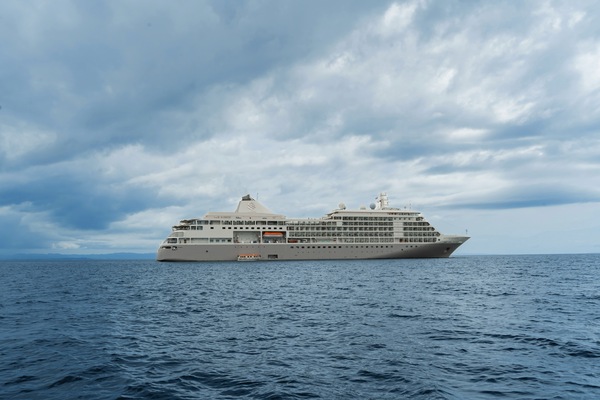
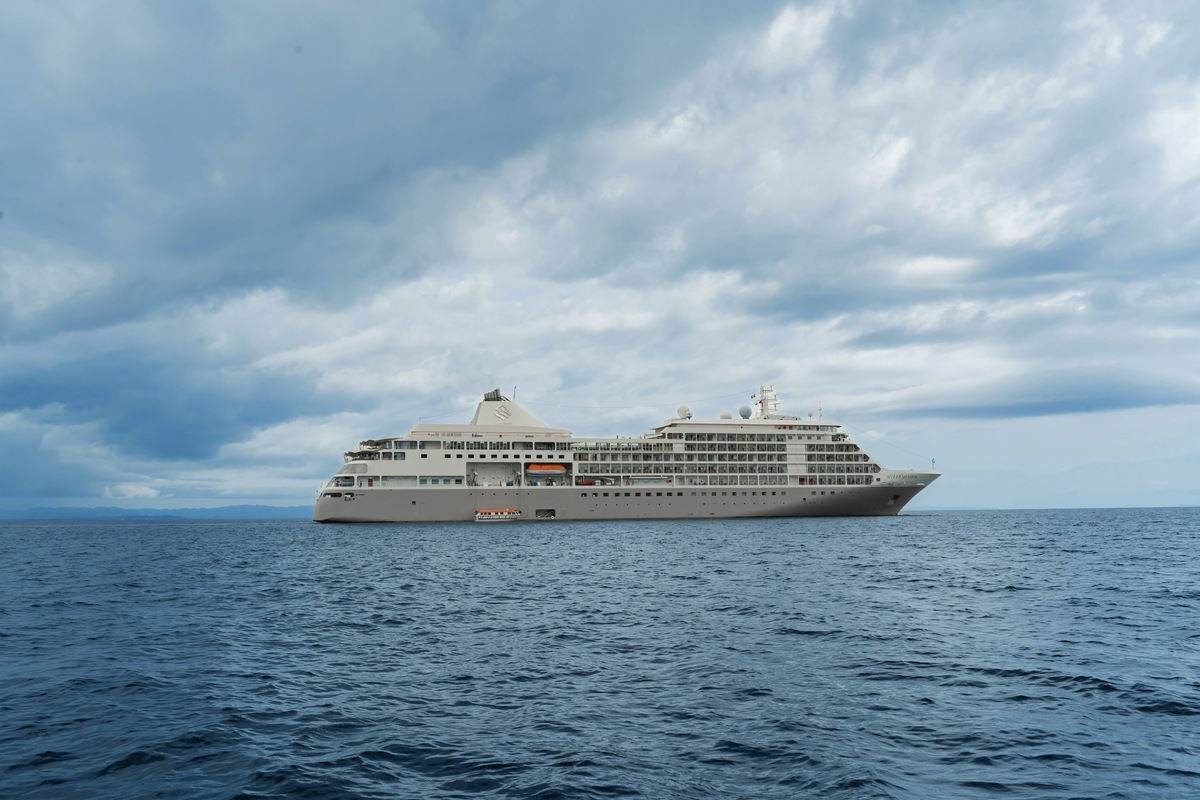
Silver Shadow
Award-winning Silver Shadow is a firm favourite in the Silversea fleet. With one of the highest space-to-guest ratios at sea she offers authentic experiences, simple pleasures and shared moments.