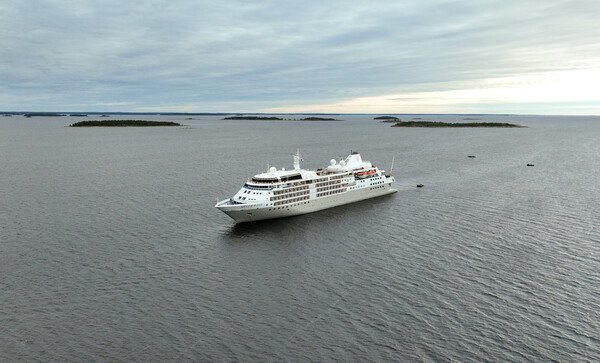
Las Palmas to Valletta
Cruise only — prices from Solo cruise only — from

Ports of Call & Itinerary
13-night voyage departing Las Palmas de Gran Canaria, arriving Valletta.
Printable Itinerary (PDF)Route Map
Las Palmas to Valletta
12 ports plotted · click a marker for details
Day 1
Las Palmas de Gran Canaria , Spain
Friday, 14/04/2028
Watch the stars glittering at night, climb jungled volcano calderas, and explore the historical allure of this entry point to the sun-gorged island of Gran Canaria. The sprawling capital of the Canaries is Spain's ninth biggest city, stretched out along the sparkling coastline. Visitors and locals alike blow off steam on the city's urban beaches, before filling out bustling, authentic tapas bars. An offshore barrier of lava strips waves of their power, making Las Canteras's urban beach expanse one of the best and calmest in the Canaries. Strap on your snorkel to explore the seabed, which blooms with colourful fish and tropical reefs. Or, settle back to soak in the warm glow of one of the best climates in the world, while reclining on the soft sand, which arcs along the capital's fringe. At the other end of town, La Vegueta old town is a charming stroll along cobbled streets, wandering past decorative doorways and balconies that beg to be photographed. The narrow 15th-century streets take on an extra romantic air in the evenings, as lanterns cast a soft glow over them. Calle Colon offers a hint of the street's history - and it's here where the handsome colonial house - turned museum - of Christopher Columbus stands. Columbus stayed here to recuperate, between his boundary-redefining voyages. Out of Las Palmas, diverse and exciting volcanic landscapes await, including the spectacular Caldera de Bandama, which plunges 200 metres into the earth. From the summit, views stretch out to the looming island of Fuerteventura unravel. You can also discover pretty white-wash fishing villages, dazzling gardens, and the sun-bathed vineyards that produce Gran Canaria's crispest wines.
Day 3
Safi , Morocco
Sunday, 16/04/2028
Lying in a natural harbour to the west of Morocco, Safi (formerly Asafi) carries the weight of legend. As one of the oldest cities in Morocco, it is thought to have been founded by Hanno the Navigator in the 5th or 6th century BC. The etymology of the city’s name allegedly comes from a sailor who got lost and sighed as he passed Safi’s coastline (Safi meaning “oh my regret”). However, there could be another, more literal translation. In Berber, the word Asafi means to spill or flood, undoubtedly referring to the rich sea that makes Safi one of the biggest and safest seaports in the country. The city has been - and still is - a major player in Morocco’s trading industry. Its port has seen everything from gold in the 11th century to today’s principal export, sardines. Portuguese rule in the 1500s saw the Castelo do Mar be built, an imposing fortress that still presides over the city today. Under Portuguese rule, other Europeans came and by the mid-16th century, Safi was Morocco’s principal trading hub. This would all cease however under Sultan Mohammed ben Abdallah in the mid-18th century, who would order that all foreign trade must take place in his newly built city of Mogador (Essaouira). Famous for its pottery of all shapes and sizes, Safi is one destination where you will want to support the local economy. The potter’s quarter, just out of the city walls, boasts the country’s oldest kilns and is a mecca for all those who love both ceramics and tradition.
Day 4
Safi , Morocco
Monday, 17/04/2028
Lying in a natural harbour to the west of Morocco, Safi (formerly Asafi) carries the weight of legend. As one of the oldest cities in Morocco, it is thought to have been founded by Hanno the Navigator in the 5th or 6th century BC. The etymology of the city’s name allegedly comes from a sailor who got lost and sighed as he passed Safi’s coastline (Safi meaning “oh my regret”). However, there could be another, more literal translation. In Berber, the word Asafi means to spill or flood, undoubtedly referring to the rich sea that makes Safi one of the biggest and safest seaports in the country. The city has been - and still is - a major player in Morocco’s trading industry. Its port has seen everything from gold in the 11th century to today’s principal export, sardines. Portuguese rule in the 1500s saw the Castelo do Mar be built, an imposing fortress that still presides over the city today. Under Portuguese rule, other Europeans came and by the mid-16th century, Safi was Morocco’s principal trading hub. This would all cease however under Sultan Mohammed ben Abdallah in the mid-18th century, who would order that all foreign trade must take place in his newly built city of Mogador (Essaouira). Famous for its pottery of all shapes and sizes, Safi is one destination where you will want to support the local economy. The potter’s quarter, just out of the city walls, boasts the country’s oldest kilns and is a mecca for all those who love both ceramics and tradition.
Day 6
Oran , Algeria
Wednesday, 19/04/2028
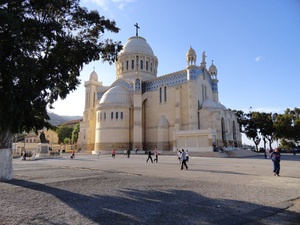
Algeria’s second city Oran is a beautiful costal city, steeped in history, its origins dating back to the 10th century. A cultural melting pot of Islamic, Haussmann and Spanish influences all still visible today. The seafront features a long boulevard, said to be inspired by the promenade in Nice, France. It’s lined with tempting restaurants, cafes and ice cream shops and has great views of the harbour and coastline. The Santa Cruz fort is one of Oran’s most famous landmarks, perched 400 meters up on Mt Aidour and visible from almost every corner of the city. It is well worth the hike or cable car journey for the 360° view of the coast and city spread below. Don’t miss the French built Santa Cruz chapel just below the fort, with a gigantic statue of the Virgin Mary gazing out over the city. A perfect embodiment of Oran’s mixed and vibrant past is the church of Saint Louis d’Oran, since its 16th century beginnings it’s been a mosque, synagogue, church and a cathedral. The Medina Jdida area is the commercial hub of Oran and where the massive market of the same name is found. Selling absolutely everything imaginable, popular with the locals, there’s a real buzz in the air. It’s a great place for trying street food, look out for the local speciality Kerentica, a tasty savoury dish made of chickpea flour. Madagh Beach, a sweeping, secluded bay, is a little gem. Actually two golden beaches separated by a stream, backed by mountains and woodlands. The perfect place to ponder on all that history.
Day 7
Alger (Algiers) , Algeria
Thursday, 20/04/2028
Algiers, with a total population of 2.9 million inhabitants, is Algeria’s largest city and the capital of the country. It is nicknamed "Alger la Blanch" or "Algiers the White" for the glistening white buildings seen sloping up from the sea. It is located on the southern coast of Mediterranean Sea, in the north part of the country. A cluster of picturesque islets once situated just off-shore have now been annexed into part of the city.Seaside Algiers still manages to have some of the charm of the Cote d'Azur but with the feeling of a more modern, bustling city. Algeria is often claimed to be the crossroads of three cultures - Mediterranean, Muslim, and African. In Roman times a small town called Icosium existed on what is now the marine quarter of the city. The present city was founded in 944 by Buluggin ibn Ziri, the founder of the Zirid-Senhaja dynasty. The islet in front of the harbor, subsequently known as the Penon, had been occupied by the Spaniards as early as 1302. Thereafter a considerable trade grew up between Algiers and Spain. From the 17th century, Algiers, free of Ottoman control and sited on the periphery of both the Ottoman and European economic spheres, turned to piracy. The history of Algiers from 1830 to 1962 is bound to the larger history of Algeria and its struggles with France. In 1962, after a bloody struggle for independence in which hundreds of thousands of died (a million according to official Algerian history) the country finally gained its independence from France with Algiers as its capital. Since then, despite losing almost its entire European population, the city has expanded massively - it now has almost 3 million inhabitants, or 10% of Algeria's population - and its suburbs now cover most of the surrounding Metidja plain. Pier Information The ship is scheduled to dock at the port of Algiers. Guests are only permitted ashore with Silversea shore excursions. Shopping Pottery, traditional dress, carpets, jewelry and local handicrafts make for genuine Algerian souvenirs. Carpet patterns are distinct according to regions. Price and quality vary accordingly. A unique item to Algeria is the “rose des sables” or sand rose. This crystalline structure grows below the desert sands, often to impressive dimensions. State run shops, offering, a wide range of handicrafts and souvenirs, are a good place for comparative pricing. Store hours are normally from 8:30 a.m. to 6:00 p.m. The local currency is the dinar. Cuisine Fresh seafood, lamb dishes and couscous are found on most menus. Other Sites Attractions in and around Algiers are covered in the organized shore excursions.
Day 8
Alger (Algiers) , Algeria
Friday, 21/04/2028
Algiers, with a total population of 2.9 million inhabitants, is Algeria’s largest city and the capital of the country. It is nicknamed "Alger la Blanch" or "Algiers the White" for the glistening white buildings seen sloping up from the sea. It is located on the southern coast of Mediterranean Sea, in the north part of the country. A cluster of picturesque islets once situated just off-shore have now been annexed into part of the city.Seaside Algiers still manages to have some of the charm of the Cote d'Azur but with the feeling of a more modern, bustling city. Algeria is often claimed to be the crossroads of three cultures - Mediterranean, Muslim, and African. In Roman times a small town called Icosium existed on what is now the marine quarter of the city. The present city was founded in 944 by Buluggin ibn Ziri, the founder of the Zirid-Senhaja dynasty. The islet in front of the harbor, subsequently known as the Penon, had been occupied by the Spaniards as early as 1302. Thereafter a considerable trade grew up between Algiers and Spain. From the 17th century, Algiers, free of Ottoman control and sited on the periphery of both the Ottoman and European economic spheres, turned to piracy. The history of Algiers from 1830 to 1962 is bound to the larger history of Algeria and its struggles with France. In 1962, after a bloody struggle for independence in which hundreds of thousands of died (a million according to official Algerian history) the country finally gained its independence from France with Algiers as its capital. Since then, despite losing almost its entire European population, the city has expanded massively - it now has almost 3 million inhabitants, or 10% of Algeria's population - and its suburbs now cover most of the surrounding Metidja plain. Pier Information The ship is scheduled to dock at the port of Algiers. Guests are only permitted ashore with Silversea shore excursions. Shopping Pottery, traditional dress, carpets, jewelry and local handicrafts make for genuine Algerian souvenirs. Carpet patterns are distinct according to regions. Price and quality vary accordingly. A unique item to Algeria is the “rose des sables” or sand rose. This crystalline structure grows below the desert sands, often to impressive dimensions. State run shops, offering, a wide range of handicrafts and souvenirs, are a good place for comparative pricing. Store hours are normally from 8:30 a.m. to 6:00 p.m. The local currency is the dinar. Cuisine Fresh seafood, lamb dishes and couscous are found on most menus. Other Sites Attractions in and around Algiers are covered in the organized shore excursions.
Day 9
Bejaia (ex Bougie) , Algeria
Saturday, 22/04/2028
About 250 km east of Algiers lies Bejaia. Far from the beaten track of Algeria's tourist hotspots, this pretty seaside port is also one Algeria's best. Overlooked by Yemma Gouraya – the mountain that take its name from its shape of a sleeping woman, and bordered by the Mediterranean Sea, this largish city has a deep and interesting history. As is the often the case with ancient cities, Bejaia is built on legend. The story is that Hercules, before travelling to Gibraltar to build Tangiers (and lay the foundations to which he left his name) lived in the large cave above the village. The townspeople of Bejaia, wanting him gone, prepared him a dish of spicy beans, so spicy that he had to descend the mountain to quench his thirst and disapeer into the sea. Whether or not you choose to believe that Bejaia featured in Hercules' 12 labours is up to you, but what is certain is that Bejaia's (recorded) history can be traced to the founding by the Carthaginians in the 1st century BC. The city was known as Saldae under Roman rule (200-500), and later became the capital of the Berber Hammadid dynasty. French colonial rule came in 1833 until independence in 1962. Bejaia's old town is one of Algeria's finest. A walking tour will reveal both Byzantine history and French colonial rule. A 16th-century mosque bears testament to the city's Muslim past, as well as a Spanish fortress, also from the 16th century, and an old Kasbah. The Pic des Singes (Monkey Mountain) is another great day out.
Day 10
Trapani, Sicily , Italy
Sunday, 23/04/2028
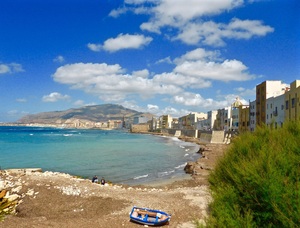
Surrounded by glowing turquoise waters and rugged coastline Trapani invites you to explore western Sicily's ruins intense flavours and sun-soaked leisure pursuits. Built on salt and tuna exports Trapani is experiencing a renaissance having been lovingly spruced up as a sailing capital and an international airport bringing in visitors from far and wide. The town looks out over the Egadi Islands gazing west to witness some of Siciliy's most evocative sunset displays. Start exploring Trapani from its historic core a dense network of alleys hosting a collection of small shops restaurants and wine bars. You’ll encounter the Cathedral of San Lorenzo – where colourful artworks are spread below sweeping arches and a beautiful domed roof. Sicily feels like an island on the cusp of continents and Trapani practically has one foot in Africa as you soak in its pretty whitewash houses and fusion of foods and arts. Discover the Ancient Greek influence by venturing to rich archaeological sites nearby like Selinus and Segesta where the treasures from the past have been unearthed and displayed. Pyramids of white salt rise up at the Riserva Naturale Saline di Trapani e Paceco. These salt marshes and windmills are a symbol of Trapani and although sea salt production is much less important today the small white hills remain a Trapani landmark. Look out for the pink flamingos wading in the salt pans below. For beach days the Egadi Islands can be easily reached from Trapani - Favignana is the largest and most popular.
Day 11
Pantelleria , Italy
Monday, 24/04/2028
Day 12
Siracuse, Sicily , Italy
Tuesday, 25/04/2028
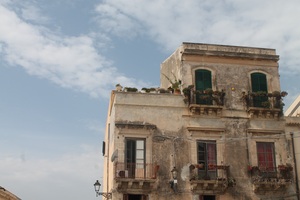
Honey-coloured Siracusa is a staggering UNESCO World Heritage Site, and an extraordinary Sicilian city of immense ancient history. The modern population is a fraction of what it was at the city’s heyday around 400 BC, when Athens’ might was successfully challenged and faced down, reinforcing the city’s incredible power and status. Siracusa’s historical nucleus waits to be discovered on the compact islet of Ortygia. The city was founded here, but grew over time, spreading across to the mainland. A small channel separates the two, which is now spanned by twin bridges. Wander the atmospheric streets of this time warp, to reach the shining elegance of Piazza Duomo. The Baroque cathedral rises like a giant sandcastle, and you can settle opposite to cradle a glass of wine and enjoy the view over the immaculate square - people watching before the glorious baroque façade. Dig deep into its history at the mainland's archaeological park. Here you can wander between the remains of a Greek theatre, constructed in the 5th century BC, and now used as a grandiose, atmospheric venue for events and performances. You’ll also encounter a Roman Amphitheatre - where gladiators battled brutally, and the spectacular ear-shaped cave, which is famed for its extraordinary, secret-revealing acoustics. It was given its name - the Ear of Dionysius - by Caravaggio. Visit the legendary Fonte Arethusa, or lose yourself in the Ortygia Market – you’ll find everything here, from fresh fish, to spices and local bottles of wines. Look out for a flavour-filled jar of real Sicilian u strattu - an intense tomato paste that is the secret ingredient to many Sicilian recipes. The local ingredients are imbued with flavour by this volcanic land’s fertile soils and the firepower of Europe’s most active volcano Mount Etna, waits just to the north.
Day 13
Taormina , Italy
Wednesday, 26/04/2028
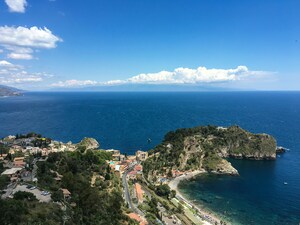
Hugging a long, sweeping bay, Giardini Naxos welcomes you ashore to some of Sicily’s most scenic and historic sites. Naxos was the first Greek settlement on Sicily, and it is surrounded by remarkable remains and swirling mythology. With a long arc of sun-soaked golden sand, you can kick back by the waves - and cool off with a dip into the sea's refreshing embrace. Up above the seaside revelry, the spectacular Taormina hillside town perches - containing rich Roman and Greek history. Visit to encounter one of Sicily’s best views, as you look down over the rejuvenating blue of the sea, and the looming backdrop of Mount Etna rising in the distance. The majestic, honey-coloured Greek theatre is a highlight, standing before the distant loom of the volcano. Head towards the puffs of cloud, and wisps of smoke, that gather around the peak of Sicily’s mighty volcano, which is among the most active in Europe. Arrive through vineyards, thriving in this fertile soil, before taking the 1,737-metre incline to the summit of the legendary mountain of fire, across fields of solidified lava flows. Known to the Greeks as the home of the God of Fire, and the one-eyed Cyclops, the mountain continues to amaze and awe with its restless power. Vineyards carpet the scenery - interrupted by occasional cactai and citrus groves – and produce some of Sicily’s most refined flavours. Enjoy a glass of wine on Giardini Naxos’ seafront, and toast your time on these rich Sicilian shores.
Day 14
Valletta , Malta
Thursday, 27/04/2028
Perched high on the imposing Sciberras Peninsula, Valletta immediately presents its massive, protective walls and vertical bastions to visitors arriving by sea. Rising to 47 metres in places, the fortifications protect lavish palaces, grand domes and illustrious gardens. Built by the Knights of St John on the narrow peninsular, Valletta is a compact, richly historical treasure trove of Baroque wonders. Ascend to reach the restful, flower-filled Upper Barrakka Gardens, where cannons fire and boom in salute at noon each day, sending echoing cracks of noise out across the waves below. Recognised as 2018’s European Capital of Culture, Valletta is a fascinating and dense haven of history and intrigue. A busy, bustling capital, the breathtaking St John’s Cathedral - commissioned in 1572 - is almost concealed among its narrow streets. The relatively modest exterior is counterpointed by a staggeringly opulent, gold-leaf bathed interior, containing a Caravaggio masterpiece - the shadowy vision of the Beheading of St John. Cinematic and magnificent, Valletta has served as a filming location for Game of Thrones - but real epic history abounds on this rocky isle too. From the prehistoric and megalithic sites of the Hypogeum of Paola and Tarxien, to the fascinating War Museum at Fort St Elmo. Mdina also waits nearby, and the former medieval capital is a striking contrast to the island’s main city. Cars are barred from its streets, and it offers endlessly atmospheric old-time wanders. With a strategic positioning in the Mediterranean, Malta is a jewel that many have wrestled for over the centuries. Independence from Britain was finally achieved in 1964, but the close allegiance remains evident, with English recognised as an official language, cars driving on the left, and red post boxes and telephone gleaming in Malta’s sunshine.
Room Type & Prices
All prices per person based on double occupancy. Solo traveller prices — single occupancy. Contact our cruise experts for the latest availability and best fares.
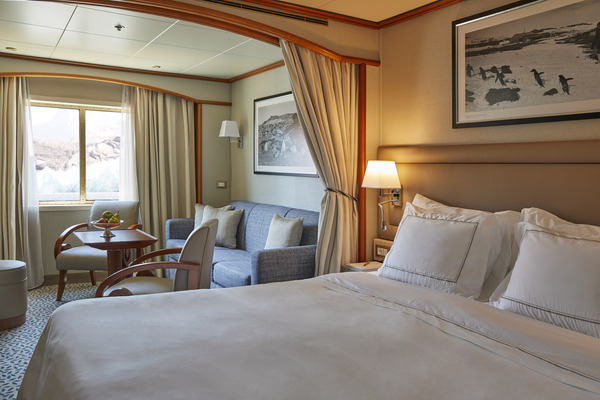
Vista Suite
237–325 sqft · Up to 3 guests
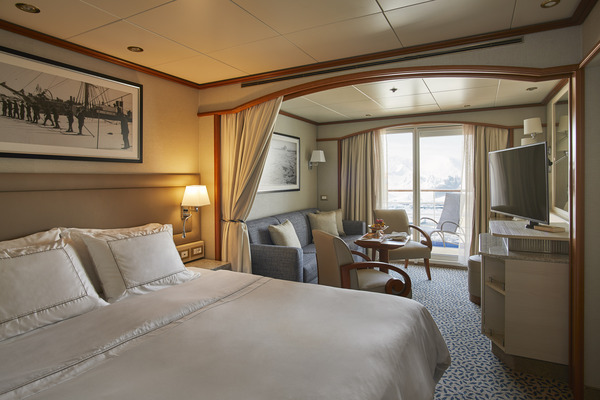
Classic Veranda Suite
291 sqft · Up to 3 guests
Deluxe Veranda Suite
339 sqft · Up to 3 guests
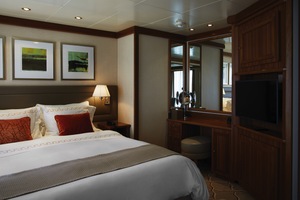
Medallion Suite
570 sqft · Up to 3 guests
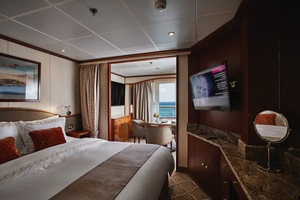
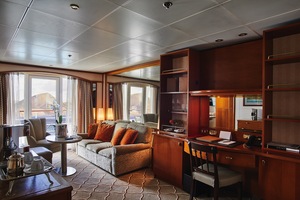
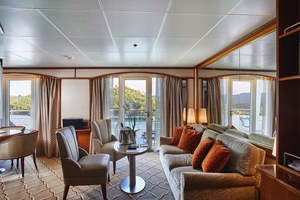
Silver Suite
603 sqft · Up to 3 guests
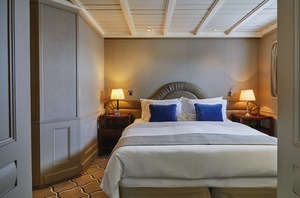
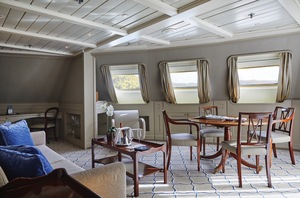
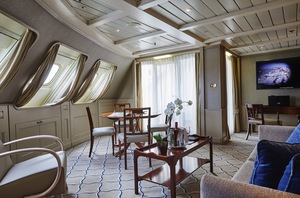
Royal Suite
872–1211 sqft · Up to 5 guests
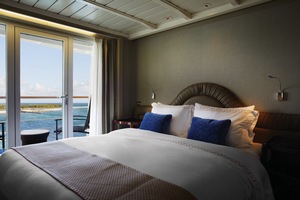
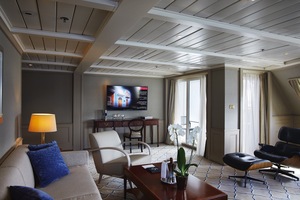
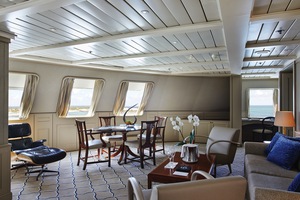
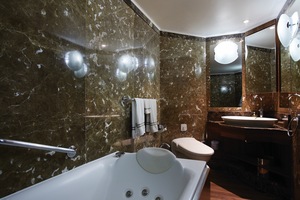
Grand Suite
1173–1512 sqft · Up to 5 guests
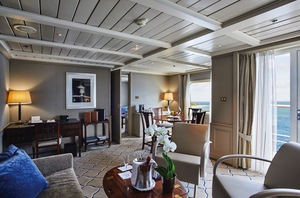
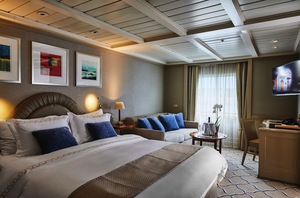
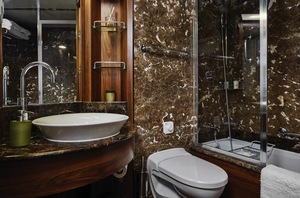
Owner's Suite
678–915 sqft · Up to 5 guests
Suite
| Cabin | Grade | Per Person | Avail. | |
|---|---|---|---|---|
| Vista Suite · 237–325 sqft | VI | Enquire → | ||
| Classic Veranda Suite · 291 sqft | CV | Enquire → | ||
| Deluxe Veranda Suite · 339 sqft | DX | Enquire → | ||
| Medallion Suite · 570 sqft | ME | Enquire → | ||
| Silver Suite · 603 sqft | SL | Enquire → | ||
| Royal Suite · 872–1211 sqft | R1 Royal Suite (1 Bedroom) | Enquire → | ||
| Grand Suite · 1173–1512 sqft | G1 Grand Suite (1 Bedroom) | Enquire → | ||
| Owner's Suite · 678–915 sqft | O1 Owner's Suite (1 Bedroom) | Enquire → |
Vista Suite · 237–325 sqft
VI
Classic Veranda Suite · 291 sqft
CV
Deluxe Veranda Suite · 339 sqft
DX
Medallion Suite · 570 sqft
ME
Silver Suite · 603 sqft
SL
Royal Suite · 872–1211 sqft
R1 Royal Suite (1 Bedroom)
Grand Suite · 1173–1512 sqft
G1 Grand Suite (1 Bedroom)
Owner's Suite · 678–915 sqft
O1 Owner's Suite (1 Bedroom)
More Departures
14 nights
Tokyo to Tokyo
17/10/2026
Solo From
£18,500
From
£10,900
11 nights
Civitavecchia to Barcelona
18/10/2026
Solo From
£14,000
From
£6,500
7 nights
Papeete to Papeete
18/10/2026
Solo From
£8,500
From
£4,350
7 nights
Athens to Athens
19/10/2026
Solo From
£10,200
From
£4,600
6 nights
King George Island to King George Island
20/10/2026
Solo From
£12,500
From
£10,000
9 nights
Puerto Williams to King George Island
20/10/2026
Solo From
£8,625
From
£7,900
Your Ship
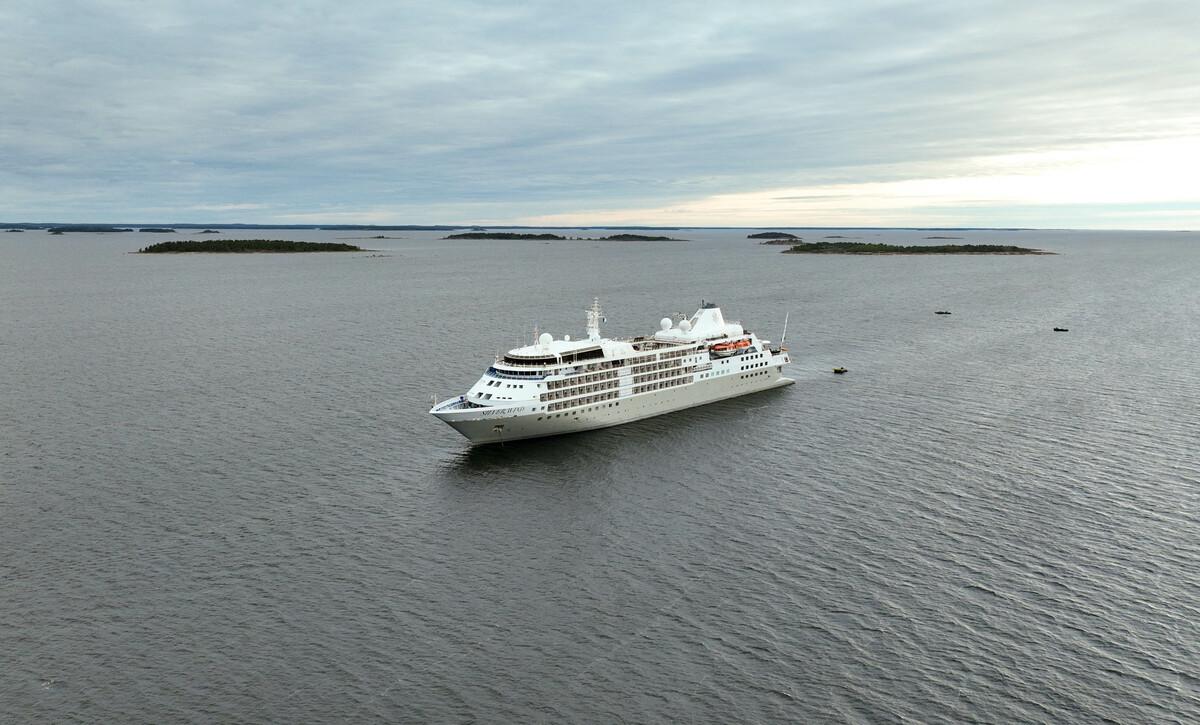
Silver Wind
Explore new waters with Silver Wind.
A major upgrade in December 2018 saw Silver Wind looking better than ever. A second refurbishment in November 2021 saw her benefitting from a strengthened ice-class hull and made her one of the most adaptable ships in our fleet.