Tokyo to Kobe
Cruise only — prices from Solo cruise only — from

Ports of Call & Itinerary
12-night voyage departing Tokyo, arriving Kobe.
Printable Itinerary (PDF)Route Map
Tokyo to Kobe
11 ports plotted · click a marker for details
Day 1
Tokyo , Japan
Sunday, 25/03/2029
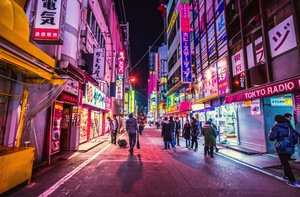
Dense and delightful, there’s nowhere else like Japan’s kinetic capital - a city where ancient traditions blend seamlessly with a relentless pursuit for the future’s sharpest edge. See the city from above, as elevators rocket you up to towering viewing platforms, from which you can survey a vast urban ocean, interspersed with sky-scraping needles. Look out as far as the distant loom of Mount Fuji’s cone on clear days. Futuristic – second-accurate - transport seamlessly links Tokyo’s 14 districts, while the glow of flashing advertisement boards, clanks of arcade machines, and waves of humanity flowing along its streets, adds to the sense of mesmerising, dizzying and glorious sensory overload. One of Tokyo’s most iconic sights, don’t miss the flood of people scrambling to cross Shibuya’s famous intersection. Join the choreographed dance, as crowds of briefcase-carrying commuters are given the green light to cross at the same time – bathed in the light of massive neon advertisements. The culture is immensely rich and deep, with 7th-century, lantern-decorated temples, stunning palaces and tranquil scarlet shrines waiting below cloaks of incense and nestling between soaring skyscrapers. Restaurants serve up precisely prepared sushi, and wafer-thin seafood slivers, offering a unique taste of the country’s refined cuisine. Settle into traditional teahouses, to witness intricate ceremonies, or join the locals as they fill out karaoke bars to sing the night away. In the spring, cherry blossom paints a delicate pink sheen over the city’s innumerable parks and gardens.
Day 2
Shimizu , Japan
Monday, 26/03/2029
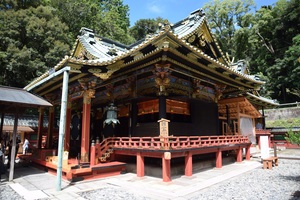
Feel your heart thumping at your first sight of Japan’s most heavenly vision - Mount Fuji’s cone emerging through the haze. With its summit dipped in pure white snow the iconic volcano’s cone is one of the most famous natural landmarks in the world - and a picturesque backdrop for Shimizu. Come ashore to this serene vision of beauty – and whether you head straight for the siren-call of the volcano’s slopes or the sanctuary of gorgeous heritage-rich shrines and tranquil tea plantations - spine-tingling views of Japan’s most tallest mountain are never far away. A perfectly symmetrical spectacle visible for miles around Mount Fuji is an adored national symbol of Japan. Travel closer to its slopes to soak in some of the country’s finest panoramas. Or take in the views with a dash of local culture at the Fujisan Hongu Sengen Shrine – an elegant shrine that stands in thrall to the salt and pepper volcano close by. The Shiraito Waterfall World Heritage Site flows just beneath the volcano – visit to see the gloriously wide curtain of water gushing through the thick vegetation. Visit Kunozan Toshogu Shrine for another perspective or to soak up the tranquil site before swinging above on a scenic ropeway. Located on the adjacent Mount Kuno – privileged views of the mountain and Suruga Bay will unroll before you. Nihondaira Plateau is another option where you can soak in panoramic views of the bay and Mount Fuji dominating behind.
Day 4
Kagoshima , Japan
Wednesday, 28/03/2029
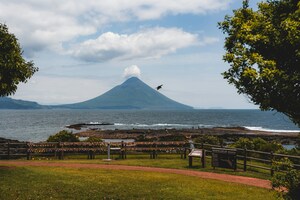
One of Japan's most southerly major cities, Kagoshima is dominated by the imposing Sakurajima volcano's cone – a legendary active volcano that broods, churns and puffs out ash nearby. A pretty old-time ferry chugs across the still waters to the gently sloping foothills of the volcano's cone, and it's easy to imagine where the comparisons with its sister city Naples materialised, as you sail the glorious sweeping Kinko Bay, below beaming sunshine, towards the immense volcanic spectacle. This is certainly no historic relic, and the volcano remains revered and feared, with the most dramatic recent eruption taking place in 1914, and spewing out a new bridge of land into the sea. Make the most of the geothermal activity in the area by indulging in a stress-simmering black sand bath. Incredibly relaxing, you'll be submerged in the warm sand, as you feel your muscles relaxing in the heat, and rejuvenating blood pumping around your body. Enjoy a privileged view of the iconic volcano's loom from the terraced garden of Senganen Garden. Built in 1658, this elegant, traditional garden has belonged to the Shimadzu family for 350 years. Wander the gardens - which bloom with Japan's renowned cherry tree blossoms and feature tiny bridges looping over ponds and rock pools - before sitting back and sipping a wholesome green matcha latte. Elsewhere, museums offer Feudal Era and Satsuma Province history, as well as insights into the Kamikaze squadrons of World War II. Lake Ikeda is also close by, so be sure to keep an eye out for the legendary Issie monster.
Day 5
Nagasaki , Japan
Thursday, 29/03/2029
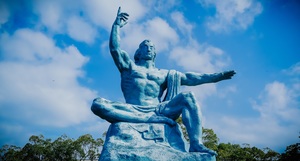
Utterly devastated in just a few seconds, Nagasaki was the target of the second US atomic bomb, as World War II moved towards its horrifying conclusion. More than 50,000 were killed, and the stories here are harrowing and poignant. The fact that Nagasaki still stands at all, and has embarked on a new mission to promote global peace with a message of hope, is a testament to the people of this extraordinary place, however. The scars the city wears will never heal, but the colour, culture and creativity of Nagasaki may surprise you. Of course, the events of August 9th 1945 are unavoidable, and the Atomic Bomb Museum pulls no punches in its rendering of the story. Hear from survivors, known as ‘Hibakushas’, who speak at the centre, sharing tales of sadness, hope and resilience. The Memorial Hall is a glass structure of meditation and messages of peace left by visitors from every corner of the world. Nagasaki Peace Park honours the victims, while the Hypocenter Park marks the explosion's epicentre. Suwa Shrine stands just 800 metres away, and you can see the iconic, one-legged torii which was photographed, miraculously still standing amid the sea of devastation. Look out for the temple's scarred trees, which somehow survived the blast too. Look out over the city, nestled in the undulations of the valley – as you reach the top of Mount Inasa - which actually served to protect and shelter Nagasaki from even more destruction. Up here, you can't help but consider the city's journey - as it spreads out before you. A ropeway or a bus will help you reach this spectacular vantage point, to observe the harbour glittering and glistening peacefully.
Day 6
Yeosu , South Korea
Friday, 30/03/2029
As South Korea becomes increasingly popular as a tourist destination Yeosu remains a hidden gem. Punctuated by cliffs islands and peninsulas the Scenic shorelines are nothing short of spectacular. The butterfly-shaped peninsula is known for its succulent seafood and in spring camellia blossoms abound. Enjoy the dichotomy of travelling from the modern west side to the stillness and peace of the Manseongri Black Sand Beach in the traditional east. There is a multitude of islands dotting the coast of Yeosu. For those wanting to see it all ferry buses offer scenic boat trips so that you can island hop and spend as long or as little as you like in each place. However if time doesn’t permit a short taxi ride (or long walk) to either Odongdo or Dolsan via a man-made causeway is the best bet. Additionally if you are feeling sporty why not walk to the top of the rather mild hill and be greeted with beautiful 360 views of the surrounding area. Because of its coastal location fish lovers will be in their element here. Raw fish is a delicacy in all of coastal South Korea though standard Korean fare such as kimchi stew and pork loin soup is well worth a try if you are feeling adventurous. For those who want an authentic Korean dining experience traditional Korean food include the famous ganjang gejang (raw crabs marinated in soya sauce) as well as other variants like the yangnyeom gejang (raw crabs marinated in spicy sauce).

Day 8
Hiroshima , Japan
Sunday, 01/04/2029
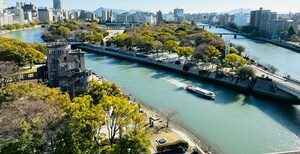
History buffs will want to write home Hiroshima. Despite being devastated in 1945, this Japanese city is known to all for its commitment peace – its ruin on the 6th August 1945 led to the end of the war and today, the Peace Memorial (a UNESCO World Heritage Site) , is a constant reminder of the destruction that war brings. A walk in the leafy boulevards of Peace Memorial Park brings quiet contemplation. The Flames of Peace – set in the park’s central feature pond – burn brightly and will continue to do so until all the nuclear bombs I the world have been destroyed. There are many other inspiring messages of hope around the city too; the Children’s’ Peace Monument just north of the park is a homage to little Sadako Sasaki, who was just two in 1945. When she developed leukemia in 1956, she believed that if she folded 1,000 paper cranes – a symbol of longevity and happiness in Japan – she would recover. Sadly she died before she finished her task but her classmates finished the rest. If you are lucky enough to visit during the unpredictable and short-lived Sakura (cherry blossom) season, then the extraordinary sight of the delicate pink blossom floating across the water to the red gate, means you can consider yourself one of the luckiest people on the planet.
Day 9
Beppu, Kyushu Island, Oita , Japan
Monday, 02/04/2029
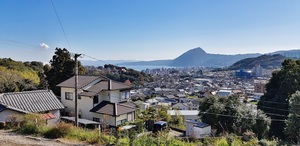
The lantern-lit hot springs of Beppu, known for its eight scorching “Hells”, is a town that’s prettier than a picture. The town is found in a particularly volcanically active part of Japan (hence the abundance of hot springs, or in Japanese, onsens). The viewing pools have evocative names; think Sea Hell, Blood Pond Hell and Tornado Hell. While the names might seem a little off putting, the reality is stunning; sulphur laced air and vast spectrums of blues and reds, depending on the mineralisation of the earth. As if the gorgeous palette of colours at the onsen was not enough, Beppu is also world famous for its Sakura, or cherry blossom season. More than 2,000 cherry trees near the base of the ropeway to Mount Tsurumi make for one of Beppu’s most impressive hanami (flower viewing) spots. If not lucky enough to be in the area during Sakura, from May to June rhododendrons colour the mountain. The view from this 1,375m mountain is beyond impressive, allowing you to see all the way to the Kuju Mountains, Chugoku and Shikoku. If brave enough to climb all the way to the top, the stone Buddhas that were carved into the mountainside during the Heian Period (794-1185) are a worthy reward! As with much of Japan, duality is ever present. Modernity sits very comfortably by ancient buildings. While Beppu’s biggest pull is by far the hot springs and the thermal baths, nearby (10 km) Yufuin has a wealth of art museums, cafes and boutiques, catering to trend setters and urbanites alike.
Day 10
Kochi , Japan
Tuesday, 03/04/2029
Small and friendly, this castle town dates back from the early 17th century, and has just one of the 12 Japanese castles to have survived the feudal age. Regrettably, a WWII bombing in 1945 destroyed half the city, although thankfully not the original castle, which serves as a shining example of the Edo Period. A buzzing food market next to the castle provides sustenance – both local and international cuisine and those who are feeling adventurous must try the sugar tomato and rice omelette, either separately or why not together. For those in search of a quintessentially Japanese experience, Kochi is blessed with a superb landscape and an enjoyable local pastime is bathing in the hot springs (onsens) that surround the city. They come in many different shapes, sizes and colours (the colour of the water indicates the dominant minerals present: red for iron, milky for sulphur, blue for bicarbonate and so on). Some are considered rare and each type is said to have a different therapeutic effect. However, some etiquette is expected and first-time visitors should perhaps be aware of the formalities surrounding this bathing ritual. Home as well to some stunning beaches, visitors are advised against swimming in the sea because of strong undercurrents, instead being encourages to enjoy the many beachside attractions of the area, such as the Sakamoto Ryoma Memorial Museum, the lovely walking paths or the sumptuous local speciality katsuo no tataki, served on one of the many surrounding restaurants. Although perhaps not the most picturesque of downtowns, downtown Kochi holds a legendary tale, which centers on the Harimayabashi, (the small red bridge on the west side of the main street). Legend has it that a young priest from Godaisan fell in love with and a girl from Kochi. Because the priest's temple forbade relationships, the couple hid their romance by meeting in secret and exchanging clandestine gifts. One day, the priest was seen buying a hair comb at Harimayabashi, and the couple's secret romance was discovered.
Day 11
Komatsushima , Japan
Wednesday, 04/04/2029
Day 12
Kobe , Japan
Thursday, 05/04/2029
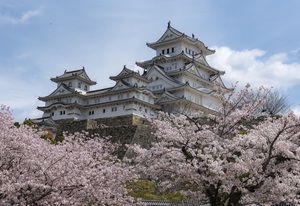
The Japanese city of Kobe needs no introduction. The name is synonymous with its home grown superstar. We are not talking of its stunning shrines, cherry trees laden with blossom during sakura or effervescent city, buzzing with life 24/7. We are of course talking of a much more grass roots hero – its eponymous beef. The delicacy might have put the city on the map, but there is far more to Kobe than its meat. Naturally, Kobe wears its cuisine as a badge of honour. Its port history has given it a gastronomy that is quite different from its neighbours. Seafood and sushi is naturally some of the freshest and most diverse you can find, but Kobe’s multi-cultural nature (the city is home to 98 different nationalities) means that it has one of the most diverse gastronomic cultures in Japan. Bread and bakeries are also an (unexpected) delicacy. Additionally, Sake is taken very seriously – Kobe even has its own museum dedicated to the national spirit. Historically, Kobe has always been a key city for Japan. Renamed in 1889, it was known as Owada no Tomari during the Nara Period (710-784 C.E.). Kobe’s location on the calm Inland Sea between Osaka and Kyoto has proven to be pivotal in Japanese history; it is mentioned in famous literary works such as The Tale of Genji (from approximately late 9th century) and the Taiheiki (14th century). The city and region are home to many attractions including the Himeji Castle (widely considered to be Japan's most beautiful feudal castle), a short ride away.
Day 13
Kobe , Japan
Friday, 06/04/2029
The Japanese city of Kobe needs no introduction. The name is synonymous with its home grown superstar. We are not talking of its stunning shrines, cherry trees laden with blossom during sakura or effervescent city, buzzing with life 24/7. We are of course talking of a much more grass roots hero – its eponymous beef. The delicacy might have put the city on the map, but there is far more to Kobe than its meat. Naturally, Kobe wears its cuisine as a badge of honour. Its port history has given it a gastronomy that is quite different from its neighbours. Seafood and sushi is naturally some of the freshest and most diverse you can find, but Kobe’s multi-cultural nature (the city is home to 98 different nationalities) means that it has one of the most diverse gastronomic cultures in Japan. Bread and bakeries are also an (unexpected) delicacy. Additionally, Sake is taken very seriously – Kobe even has its own museum dedicated to the national spirit. Historically, Kobe has always been a key city for Japan. Renamed in 1889, it was known as Owada no Tomari during the Nara Period (710-784 C.E.). Kobe’s location on the calm Inland Sea between Osaka and Kyoto has proven to be pivotal in Japanese history; it is mentioned in famous literary works such as The Tale of Genji (from approximately late 9th century) and the Taiheiki (14th century). The city and region are home to many attractions including the Himeji Castle (widely considered to be Japan's most beautiful feudal castle), a short ride away.
Room Type & Prices
All prices per person based on double occupancy. Solo traveller prices — single occupancy. Contact our cruise experts for the latest availability and best fares.
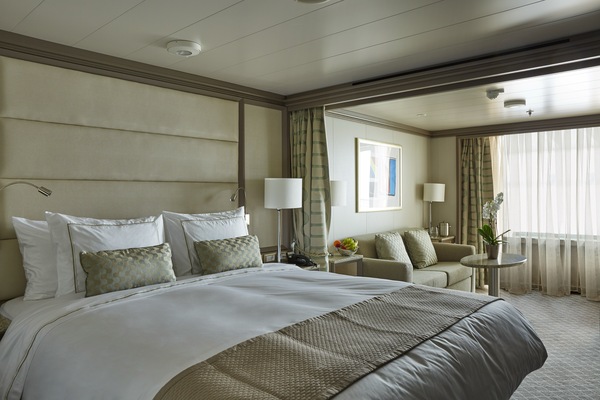
Vista Suite
344 sqft · Up to 2 guests
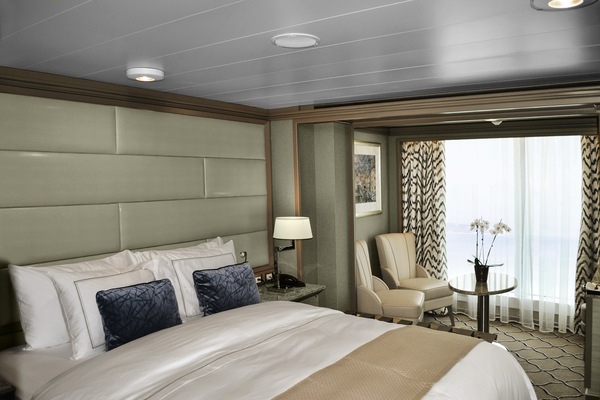
Panorama Suite
334 sqft · Up to 2 guests
Classic Veranda Suite
387 sqft · Up to 2 guests
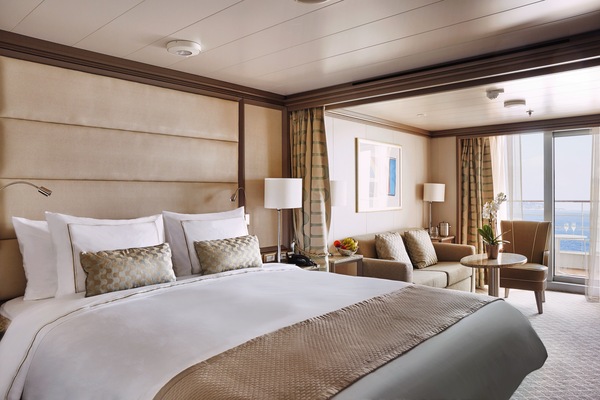
Superior Veranda Suite
387 sqft · Up to 3 guests
Deluxe Veranda Suite
387 sqft · Up to 3 guests
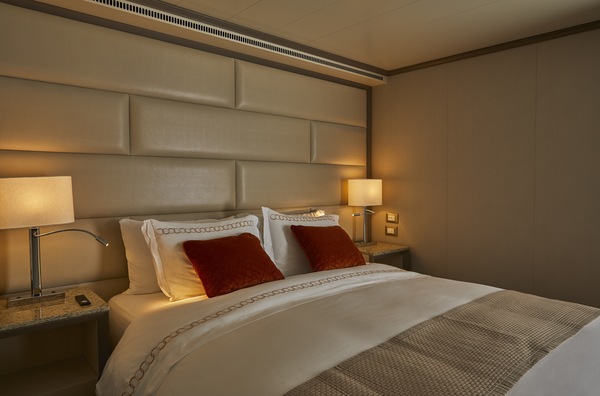
Medallion Suite
538 sqft · Up to 2 guests
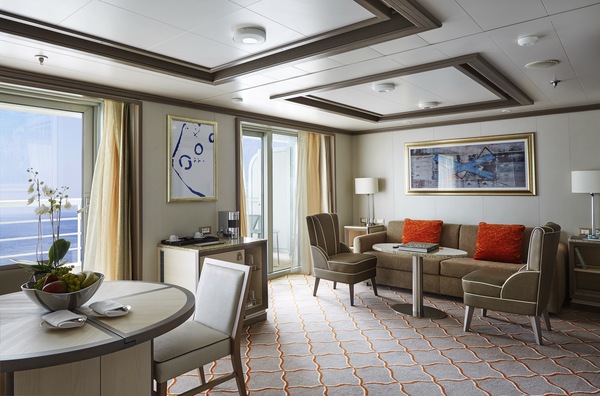
Silver Suite
785–1119 sqft · Up to 4 guests
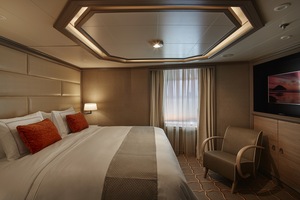
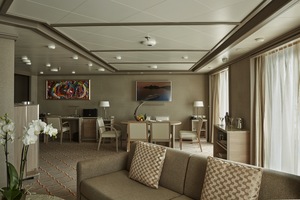
Royal Suite
1259–1722 sqft · Up to 4 guests
Grand Suite
1571 sqft · Up to 5 guests
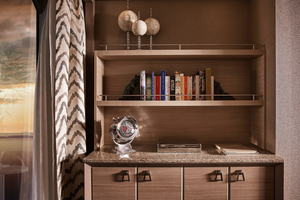
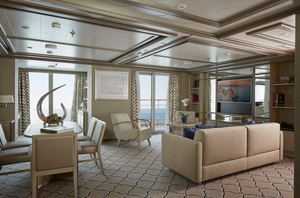
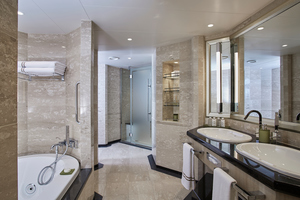
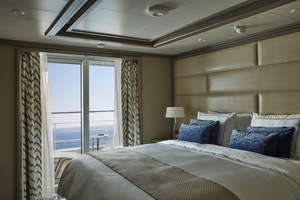
Owner's Suite
1055–1388 sqft · Up to 5 guests
Suite
| Cabin | Grade | Per Person | Avail. | |
|---|---|---|---|---|
| Vista Suite · 344 sqft | VI | Enquire → | ||
| Panorama Suite · 334 sqft | PA | Enquire → | ||
| Classic Veranda Suite · 387 sqft | CV | Enquire → | ||
| Superior Veranda Suite · 387 sqft | SV | Enquire → | ||
| Deluxe Veranda Suite · 387 sqft | DX | Enquire → | ||
| Medallion Suite · 538 sqft | ME | Enquire → | ||
| Silver Suite · 785–1119 sqft | SL | Enquire → | ||
| Royal Suite · 1259–1722 sqft | R1 Royal Suite (1 Bedroom) | Enquire → | ||
| Grand Suite · 1571 sqft | G1 Grand Suite (1 Bedroom) | Enquire → | ||
| Owner's Suite · 1055–1388 sqft | O1 Owner's Suite (1 Bedroom) | Enquire → |
Vista Suite · 344 sqft
VI
Panorama Suite · 334 sqft
PA
Classic Veranda Suite · 387 sqft
CV
Superior Veranda Suite · 387 sqft
SV
Deluxe Veranda Suite · 387 sqft
DX
Medallion Suite · 538 sqft
ME
Silver Suite · 785–1119 sqft
SL
Royal Suite · 1259–1722 sqft
R1 Royal Suite (1 Bedroom)
Grand Suite · 1571 sqft
G1 Grand Suite (1 Bedroom)
Owner's Suite · 1055–1388 sqft
O1 Owner's Suite (1 Bedroom)
More Departures
14 nights
Tokyo to Tokyo
17/10/2026
Solo From
£18,500
From
£10,900
11 nights
Civitavecchia to Barcelona
18/10/2026
Solo From
£14,000
From
£6,500
7 nights
Papeete to Papeete
18/10/2026
Solo From
£8,500
From
£4,350
7 nights
Athens to Athens
19/10/2026
Solo From
£10,200
From
£4,600
6 nights
King George Island to King George Island
20/10/2026
Solo From
£12,500
From
£10,000
9 nights
Puerto Williams to King George Island
20/10/2026
Solo From
£8,625
From
£7,900
Your Ship
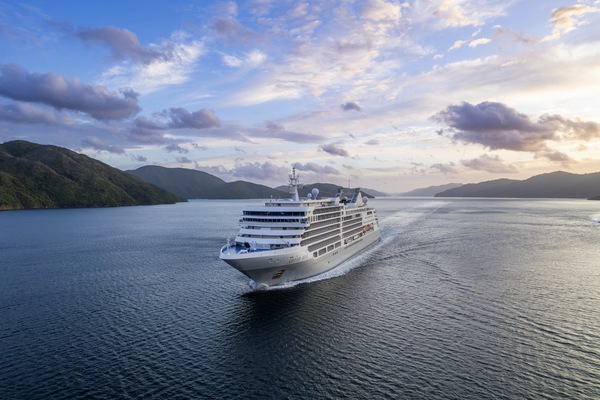
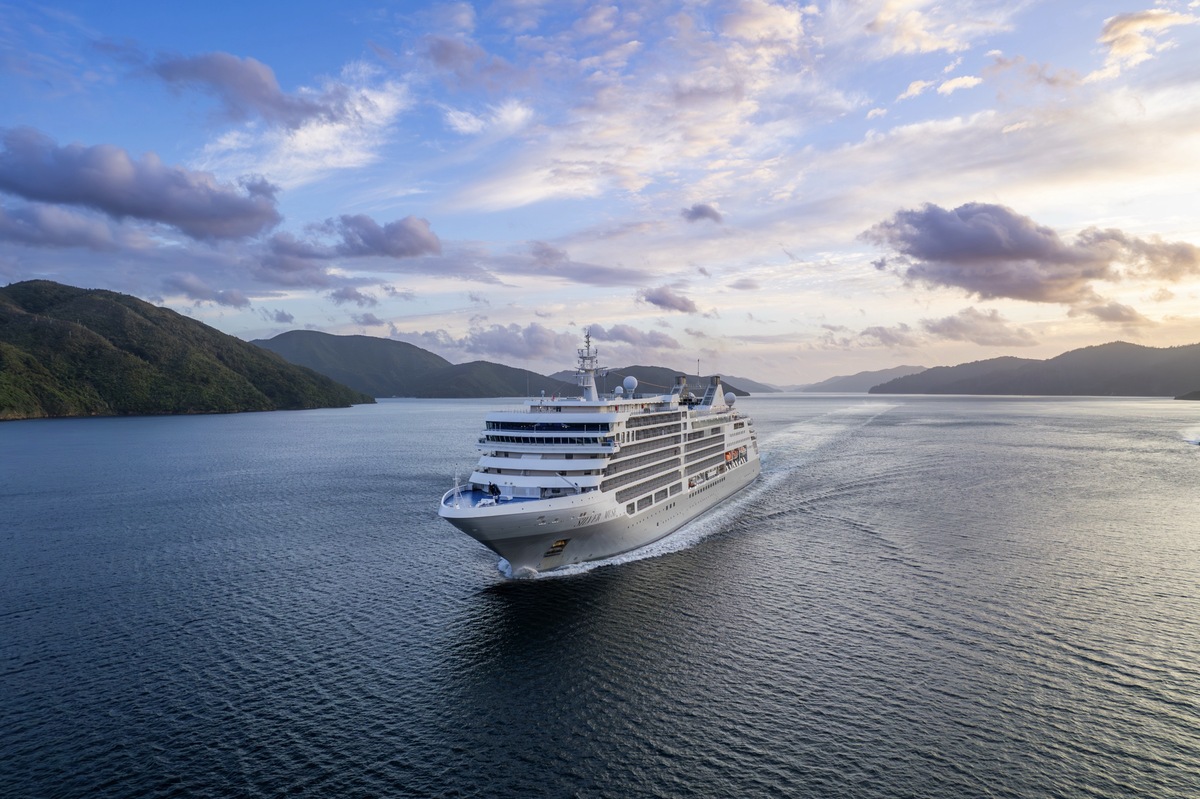
Silver Muse
Silver Muse embodies the harmony between sea, sky, and ship. The vessel features eight dining venues, spacious outdoor areas, and cutting-edge technology for a full optimum sailing experience.